


Imagine walking into a room that feels like it was plucked straight from your dreams, yet it was designed by a computer. Welcome to the world of AI interior design, where algorithms and creativity collide in a spectacular display of style. Gone are the days of endless Pinterest scrolling and second-guessing paint colors. With AI at the helm, designing your perfect space is as easy as clicking a button—no more arguing over whether that couch really goes with the curtains.
AI interior design isn’t just smart; it’s downright clever. It analyzes your preferences, suggests layouts, and even helps you avoid that awkward “what was I thinking?” moment when choosing decor. As technology evolves, so does the way people create their living spaces. Get ready to embrace a future where your home reflects your personality, all thanks to a little help from artificial intelligence.
Understanding AI Interior Design
AI interior design utilizes advanced technology to enhance home decoration by merging algorithms with artistic expression. This fusion simplifies the design process, enabling users to create personalized spaces with minimal effort.
Definition and Overview
AI interior design refers to the use of artificial intelligence to transform how individuals create and conceptualize interior spaces. It analyzes user preferences, habits, and existing layouts to recommend personalized design solutions. This approach not only saves time but also results in aesthetically pleasing environments tailored to individual tastes. The ability to visualize different styles through 3D modeling also empowers users to make informed decisions about their spaces.
Key Technologies Behind AI Interior Design
Various technologies power AI interior design, including machine learning and computer vision. Machine learning algorithms analyze vast data sets, learning from user interactions and style preferences. Computer vision enables the technology to interpret spatial layouts, lighting, and color schemes effectively. Virtual reality and augmented reality tools also enhance the user experience, allowing for immersive visualizations of design choices. These technologies collectively facilitate a more intuitive and dynamic design process, bridging the gap between creativity and functionality.
Benefits of AI Interior Design
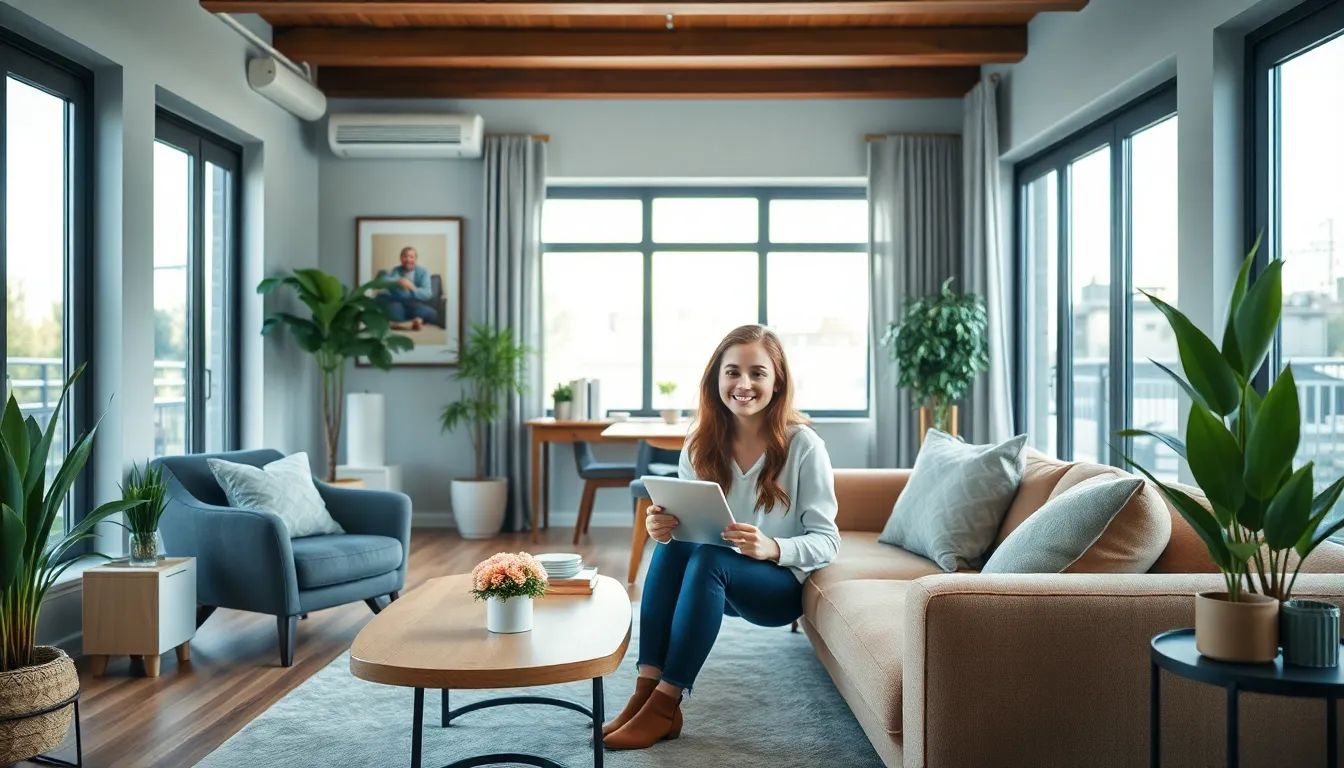
AI interior design brings several advantages, enhancing the overall experience of creating personalized spaces. From customization to efficiency, this technology transforms how individuals approach interior design.
Enhanced Customization
Customization reaches new heights with AI interior design. It analyzes individual preferences, including color schemes and furniture styles, to create tailored design solutions. Users input their tastes and lifestyles, allowing AI to suggest layouts that truly reflect personal aesthetics. Unique designs emerge, addressing specific needs such as space constraints or functional requirements. With continuous learning from user interaction, AI interior design applications adapt over time, ensuring the recommendations remain relevant and appealing. This personalized approach not only saves time but also leads to spaces that feel more like home.
Improved Efficiency
Efficiency stands out as a significant benefit of AI interior design. It streamlines the design process by quickly generating layout options based on user input. Traditional design practices often involve lengthy research and decision-making; however, AI eliminates most of this workload. Users receive instant visualizations of their ideas, minimizing guesswork and enhancing satisfaction. AI tools utilize advanced algorithms to analyze existing layouts, enabling users to make informed design choices swiftly. With faster turnaround times and immediate feedback, the design experience becomes enjoyable and stress-free.
Challenges in AI Interior Design
AI interior design faces several challenges that impact its effectiveness and adoption.
Limitations of Current Technology
Current technology struggles with accurately interpreting complex human emotions and subtle preferences. While algorithms can analyze user data, nuances in personal taste often get overlooked. Additionally, data privacy concerns hinder the ability to collect comprehensive datasets needed for improvement. Machine learning models depend heavily on existing data, which may lead to biases. Without diverse inputs, recommendations can lack representation built from varied cultural and aesthetic backgrounds. Overcoming these limitations is essential for AI to elevate design practices significantly.
Ethical Considerations
Ethical concerns emerge surrounding AI’s influence on creativity and originality. Questions arise about the ownership of designs generated by AI and whether they infringe upon human artists. Fairness is another major consideration; biased algorithms can perpetuate stereotypes or exclude certain styles. Ensuring that AI operates transparently becomes crucial for public trust. Stakeholders must address these ethical dimensions to foster a responsible integration of AI into the interior design landscape. Prioritizing ethical practices not only enhances user confidence but also promotes a more inclusive design environment.
Future Trends in AI Interior Design
AI interior design continues to evolve, shaping the future of how spaces are created and customized. Key trends include enhanced integration of virtual reality and a focus on sustainability.
Integration of Virtual Reality
Virtual reality plays a crucial role in AI interior design. It provides immersive environments where users can visualize design choices in real time. Designers can create virtual walkthroughs, allowing clients to experience spaces before finalizing decisions. This technology not only enhances user engagement but also minimizes costly adjustments during the implementation phase. Additionally, VR enables collaboration among remote teams, bringing together diverse perspectives to improve design outcomes.
Sustainability in Design Approaches
Sustainability increasingly influences AI interior design. Algorithms now prioritize eco-friendly materials and energy-efficient solutions. AI can analyze environmental impacts, offering alternatives that reduce carbon footprints. Designers benefit from real-time data about resource consumption and waste management. Furthermore, cultural shifts toward sustainable living enhance the demand for designs that embody environmental stewardship. This commitment to sustainability fosters a deeper connection between users and their spaces, creating homes that align with broader ecological values.
AI interior design is reshaping how individuals approach their living spaces. By combining technology with creativity it offers a streamlined process that prioritizes personalization and efficiency. Users can enjoy tailored design solutions that reflect their unique tastes while minimizing the stress of decision-making.
As advancements continue to emerge AI’s role in interior design will only grow. The integration of immersive technologies like virtual reality and a focus on sustainability will further enhance user experiences. Addressing the challenges of data privacy and algorithmic bias is essential for a more inclusive future in design. Embracing AI in interior design not only simplifies the creative process but also fosters environments that resonate with personal values and aesthetics.

