


Transforming a space isn’t just about slapping a fresh coat of paint on the walls or rearranging furniture like a game of Tetris. It’s an art form that can turn a dull room into a sanctuary or a chaotic mess into a harmonious haven. Interior design isn’t just for the rich and famous; it’s for anyone who wants their home to reflect their personality and style.
Overview of Interior Design
Interior design encompasses the art and science of enhancing a space’s interior to achieve a healthier and more aesthetically pleasing environment. This discipline includes considerations like color, furniture, layout, and materials. Designers use these elements to create spaces that reflect an individual’s personality and meet functional needs.
The process starts with understanding the client’s preferences and lifestyle. It involves developing a design plan that incorporates their vision while adhering to safety and regulatory standards. A well-thought-out design addresses practical aspects, such as lighting requirements and spatial flow.
Several styles exist within interior design, allowing for diverse expressions. Contemporary, minimalist, and eclectic are just a few examples. Each style presents unique characteristics and contributes to the overall atmosphere of a space.
Creating a cohesive design often requires selecting furnishings, textiles, and accessories that complement one another. Designers focus on balance and harmony, ensuring that all elements work together to create a unified look. Effective use of space and light remains crucial, as these factors greatly influence how a room feels and functions.
Sustainability also plays a significant role in modern interior design. Eco-friendly materials and energy-efficient solutions are increasingly prioritized. Designers integrate these sustainable practices to reduce environmental impact while enhancing aesthetic appeal.
Interior design serves as a powerful tool for enhancing well-being and comfort in any space. By focusing on both aesthetics and practicality, it invites individuals to enjoy their environments fully.
Key Elements of Interior Design
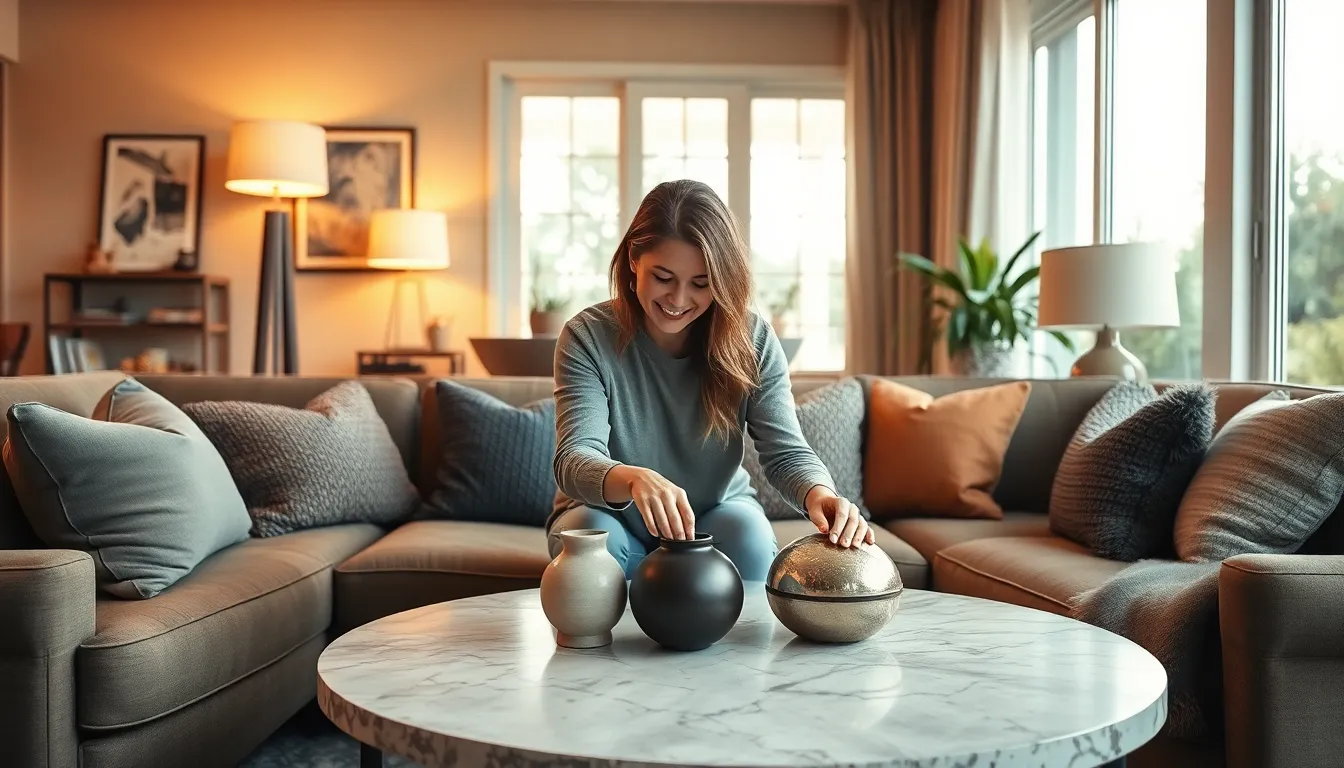
Interior design combines various elements that work together to create harmonious spaces. Understanding these key components enhances not only aesthetics but also functionality.
Color Theory
Color theory plays a critical role in setting the mood of any space. Designers use color palettes to evoke specific feelings; for instance, blues and greens create calm, while reds and yellows energize. Different hues can influence perceptions of space, making small areas appear larger or cozy areas feel intimate. Selecting complementary colors ensures a cohesive look that reflects personal style. Color also serves practical purposes; using lighter shades can maximize natural light, enhancing the overall atmosphere.
Furniture Selection
Furniture selection significantly impacts the comfort and functionality of a room. Choosing the right pieces ensures that they serve both aesthetic and practical needs. Scale is important; oversized furniture in small areas can overwhelm, while smaller pieces in larger spaces may feel lost. Additionally, comfort should always be prioritized alongside style. Versatile items with multiple functions, like ottomans that double as storage, add value to the design. Material and texture also play critical roles, as they affect the overall ambiance and tactile experience of the space.
Lighting Techniques
Lighting techniques transform a space, influencing mood and usability. Emphasizing layers in lighting creates dimension; incorporating ambient, task, and accent lights enables flexibility. Natural light is essential; maximizing it with large windows or strategically placed mirrors enhances openness. Different light sources allow for varying effects; warm light creates a soothing atmosphere, while cool light is energizing. Incorporating dimmers provides flexibility, allowing for adjustments based on preference and time of day.
Popular Interior Design Styles
Various interior design styles allow for personal expression and functionality. This section highlights three prominent styles: modern, rustic, and minimalist.
Modern
Modern design emphasizes clean lines and a neutral color palette. It often incorporates materials like glass, steel, and concrete, creating an uncluttered aesthetic. Design elements focus on the function of furniture, which often features sleek shapes and smooth textures. Open spaces allow for light to flow, enhancing overall ambiance. Statement art pieces often bring character to otherwise simple settings. Accessories are kept to a minimum, promoting a sense of calm in the environment.
Rustic
Rustic style draws inspiration from nature, creating a warm and inviting atmosphere. Wood beams, stone accents, and earthy color tones define this aesthetic. Antique or reclaimed furniture adds character and charm, connecting the interior with historical context. Textiles like wool and burlap contribute to the cozy feel of rustic spaces. Nature-inspired decor complements the theme, often featuring plants or botanical elements. Combining various textures adds depth to the design, making it visually appealing while maintaining comfort.
Minimalist
Minimalist design focuses on the idea that less is more. Simple shapes and a limited color scheme create a serene environment. Furniture selection prioritizes functionality, often with multi-purpose items. Open space is crucial, allowing natural light to play a significant role in the overall design. Decor remains sparse, showcasing only essential items that evoke meaning or purpose. The absence of excess fosters tranquility, making it an ideal choice for those seeking a clutter-free lifestyle.
The Impact of Interior Design on Well-Being
Interior design significantly influences well-being by shaping environments that promote health and comfort. Research indicates that well-designed spaces enhance mood and reduce stress, contributing to overall mental health. Factors such as light, color, and spaciousness play pivotal roles in creating these positive effects.
Color choices can evoke specific emotions, with warm hues promoting energy and cool tones encouraging calmness. Implementing specific palettes leads to a more harmonious atmosphere, inspiring relaxation or focus as needed. Proper furniture selection complements these colors, ensuring individuals feel comfortable and secure in their surroundings.
Layout plays a critical role in enhancing functionality and accessibility. An open space layout improves movement and interaction, fostering a sense of community in homes and workplaces. Thoughtfully arranged furniture helps create inviting areas, allowing occupants to engage with their environment effectively.
Lighting also has profound effects on well-being. Natural light exposure boosts serotonin levels, improving mood and energy. Layered lighting creates depth, enabling spaces to adapt to various activities, enhancing overall usability throughout the day.
Sustainability in interior design further impacts well-being. Eco-friendly materials contribute to healthier indoor air quality, while energy-efficient solutions reduce environmental stress. Conscious design choices not only benefit individual spaces but also align with larger environmental goals, fostering a sense of responsibility and peace.
Interior design ultimately serves as a powerful instrument for improving well-being, encouraging the creation of spaces that reflect personal aesthetics while promoting comfort and harmony.
Tips for Successful Interior Design
Understanding the space is crucial for any interior design project. Identify the purpose of each room to guide choices in style and color. Selecting a cohesive color palette enhances visual appeal and creates harmony throughout the space. For instance, using complementary colors can evoke specific emotions while maintaining a flowing aesthetic.
Furniture arrangement plays a pivotal role in functionality. Position seating to promote conversation and accessibility. Incorporate multi-functional furniture to maximize utility, especially in smaller areas. Textures also contribute significantly, so mix materials like wood, fabric, and metal for depth and interest.
Lighting deserves special attention. Layer different types of lighting, such as ambient, task, and accent, to create a warm atmosphere. Natural light should be embraced whenever possible, as it enhances mood and reduces reliance on artificial sources.
Choosing accessories carefully can personalize a space. Art, plants, and decorative items reflect individual style and add character. Opt for sustainable options that not only look good but also support the environment, reinforcing a modern approach to design.
Budgeting effectively remains imperative. Decide on priorities early to allocate funds for key elements, ensuring quality over quantity. Researching local artisans or unique pieces may yield special finds that resonate more deeply than mass-produced items.
Staying informed about current trends enriches the design process. Following popular styles, such as modern, rustic, and minimalist, provides inspiration while allowing for personal interpretation. Ultimately, a thoughtful approach to interior design creates spaces that promote well-being and showcase distinct aesthetics.
Interior design is more than just aesthetics; it’s a transformative process that enhances well-being and personal expression. By understanding the interplay of elements like color, furniture, and lighting, individuals can create spaces that reflect their unique styles while promoting comfort and harmony.
Sustainable practices in design not only benefit the environment but also improve indoor air quality and overall health. With a thoughtful approach to layout and functionality, anyone can craft a space that fosters creativity and relaxation. Embracing the art and science of interior design opens doors to endless possibilities, allowing people to fully enjoy and thrive in their environments.

