


When it comes to interior design, choosing the right style can feel like picking an outfit for a first date—one wrong move and it could all go sideways. From sleek minimalism that whispers elegance to bohemian chic that screams personality, each style tells a story. Understanding these styles is the key to transforming a house into a home that reflects who you are.
Imagine walking into a space that feels like a warm hug or a burst of energy. That’s the magic of interior design styles. Whether you’re a fan of rustic charm or modern sophistication, there’s an aesthetic out there just waiting to make your space sing. Dive into the world of colors, textures, and layouts, and discover how to turn your interiors into a masterpiece that even your mother-in-law would envy.
Overview of Interior Design Styles
Interior design styles encompass a range of aesthetics that define the appearance and feel of a space. Each style tells a distinct story and influences how a space fosters emotions and interactions. Traditional design reflects classic elegance with its ornate details and timeless furniture.
Modern design emphasizes simplicity and functionality, often featuring clean lines and a neutral palette. Minimalism strips away excess, focusing on essential elements and creating open, airy environments.
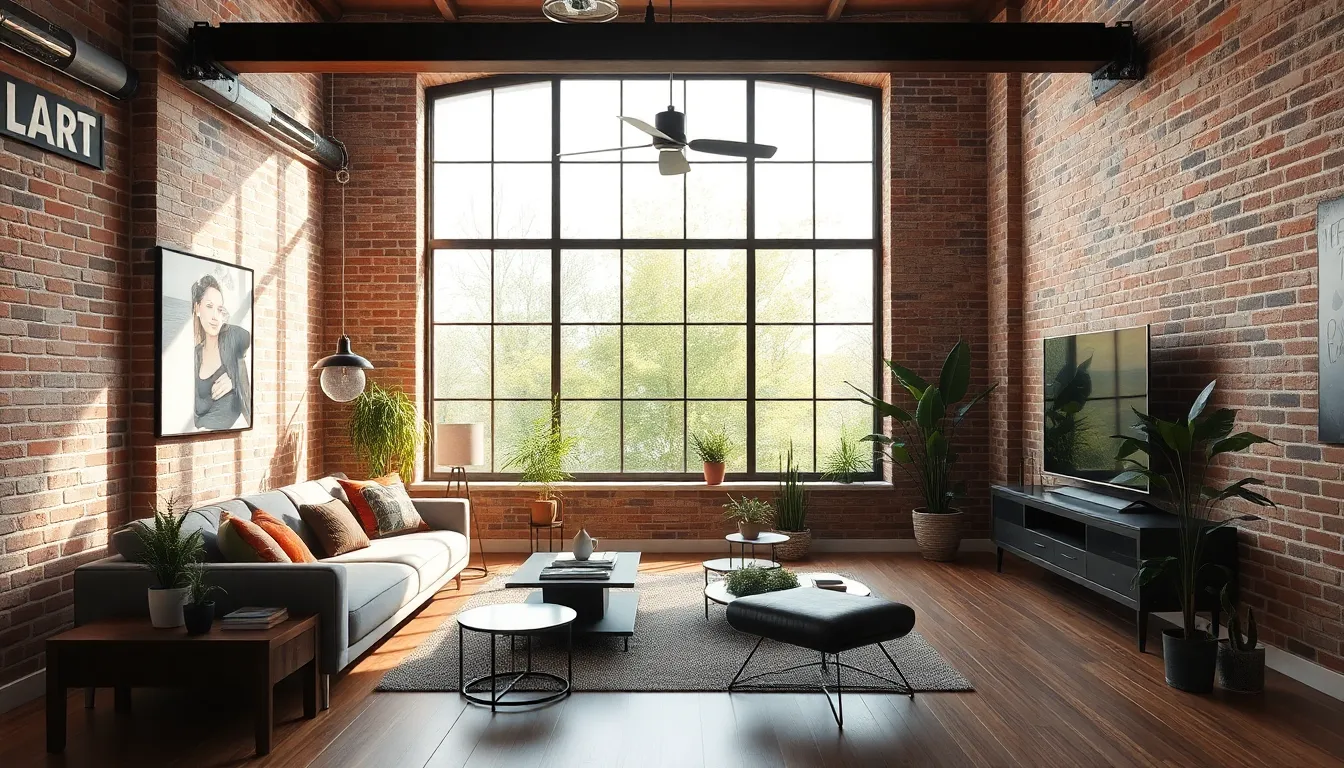
Contemporary design captures current trends, merging innovative elements with traditional features. Industrial styling showcases raw materials like exposed brick and metal, offering an urban and edgy vibe.
Scandinavian design prioritizes warmth and light, integrating natural materials and a minimalist approach. Bohemian chic embraces freedom and creativity, with vibrant colors, eclectic patterns, and a mix of vintage and modern items.
Farmhouse style combines rustic simplicity with modern comforts, often characterized by reclaimed wood and cozy furnishings. Mid-century modern centers around organic forms and functionality, blending retro warmth with modern simplicity.
Eclectic design invites personal touches from various styles, allowing individuals to showcase their unique tastes. Ultimately, exploring these diverse styles aids in crafting inviting spaces that resonate with one’s personality.
Popular Interior Design Styles
Exploring various interior design styles enhances the aesthetic of any space. Each style brings unique characteristics and vibes that transform a house into a home.
Modern
Modern design focuses on simplicity and functionality. Characterized by clean lines and minimal ornamentation, it often incorporates neutral colors and natural materials. Furniture pieces feature geometric shapes, creating a sense of order. Large windows are common, allowing natural light to enhance the open layout. Furthermore, modern designs utilize multi-purpose furnishings to maximize space efficiency.
Contemporary
Contemporary design embraces current trends and fluidity. This style continuously evolves, often fusing elements from other styles while prioritizing comfort. Bold colors can spotlight key areas, while minimalist decor maintains a sleek appearance. It frequently incorporates unique materials like metal and glass to create striking contrasts. Additionally, organic shapes and innovative structures draw attention and inspire creativity.
Traditional
Traditional design exudes classic elegance and timeless appeal. Rich, warm colors and ornate details often characterize this style. Furniture pieces frequently feature intricate carvings and luxurious fabrics, resulting in a refined atmosphere. Symmetry plays a crucial role, creating balance and cohesion throughout the space. Accessories such as fine art and vintage items enhance the sophisticated charm.
Industrial
Industrial design highlights raw materials and urban-inspired aesthetics. Exposed beams, brick walls, and concrete floors create a rugged, yet inviting ambiance. This style often integrates salvaged items, such as vintage furniture, to add character. Large, unobstructed spaces maximize the open feel, making it ideal for loft-like environments. Moreover, minimal decor allows architectural elements to shine, emphasizing functionality.
Bohemian
Bohemian design celebrates creativity and eclecticism. Vibrant colors, diverse patterns, and an array of textures define this style’s welcoming nature. Layered textiles, such as rugs and cushions, create a cozy atmosphere. Personal artifacts often tell a story, reflecting individual travels and experiences. Plants play a vital role in bringing life and freshness to the space, fostering a relaxed vibe.
How to Choose an Interior Design Style
Selecting an interior design style involves assessing space and considering personal preferences. With these steps, individuals can create a space that feels like home.
Assessing Your Space
Evaluate the dimensions of rooms and consider how they flow together. Natural light availability greatly influences color choices and layout decisions. Identifying architectural features allows for a style that complements existing elements. Pay attention to the existing furniture and decor, as these elements anchor the design. Use the space’s purpose as a guideline; a cozy reading nook differs from a lively entertainment area.
Personal Preferences
Determine what resonates emotionally and visually. Identify favorite colors; they can serve as the foundation for the entire design. Consider personal experiences with different styles, as past influences shape current tastes. Explore various aesthetics through inspiration boards, gathering images that evoke excitement. Prioritizing comfort ensures that the space not only looks good but feels welcoming. Communicate personal stories through design choices, creating meaningful connections within the environment.
Tips for Implementing Interior Design Styles
Implementing interior design styles involves thoughtful choices. Each decision contributes to a cohesive and inviting space.
Color Palette Selection
Select a color palette that reflects the chosen design style. Neutral tones suit minimalist and Scandinavian aesthetics, while vibrant colors complement bohemian and eclectic designs. Consider the room’s purpose when choosing colors; calming hues work well in bedrooms, while energizing shades enhance living areas. Creating a cohesive look involves harmonizing wall colors with furniture and accessories. Extract inspiration from nature or artwork to develop a personalized palette that tells a story. Test samples on walls to observe how light interacts with colors.
Furniture and Decor
Individuality shines through furniture and decor choices. Opt for functional pieces that align with the intended design style; modern styles often use sleek, multi-functional furniture, while traditional aesthetics favor elegance and craftsmanship. Incorporate decor items with textures and patterns that enhance the overall theme. Layering different materials, like wood, metal, and textiles, adds depth while creating a dynamic environment. Statement pieces create focal points, whereas smaller decor items provide subtle accents. Prioritize harmony between decor elements and the design theme to maintain a consistent look throughout the space.
Choosing an interior design style is a vital step in creating a space that truly reflects one’s personality. Each style offers unique elements that can transform a house into a warm and inviting home. By exploring various aesthetics and incorporating personal touches individuals can craft environments that resonate with their tastes and lifestyles.
Whether leaning towards modern simplicity or embracing bohemian vibrancy the key is to harmonize colors textures and furnishings. Thoughtful design choices not only enhance aesthetics but also foster meaningful connections within the space. Ultimately the right interior design style can elevate a living area making it a true reflection of who they are.

