


Modern interior design isn’t just about throwing a few trendy pillows on the couch and calling it a day. It’s a vibrant dance of creativity and functionality that transforms spaces into reflections of personality. Imagine walking into a room where every piece tells a story, and every color sparks joy—sounds dreamy, right?
Overview of Modern Interior Design
Modern interior design emphasizes simplicity and functionality. It features clean lines, open spaces, and minimalistic aesthetics. Essential elements often include neutral color palettes, natural materials, and innovative furniture designs that enhance usability.
Spaces are designed to reflect personal style while providing a comfortable atmosphere. An emphasis on natural light improves the overall mood, encouraging a connection between indoor and outdoor environments. Incorporating greenery, such as indoor plants, promotes well-being and livens up any room.
Furniture selection plays a key role in modern design. Multi-functional pieces, such as sofas that convert into beds or coffee tables with storage, maximize space efficiency. This approach caters particularly to urban living, where square footage can be limited.
Color schemes usually consist of muted tones accented with bold colors. Accessories serve as focal points, injecting personality without overwhelming the space. Artworks and decorative items should harmonize with the overall design, ensuring that each piece tells a story.
Technology integration is vital for enhancing comfort and convenience. Smart home features enable control of lighting, temperature, and security systems with ease, contributing to a modern lifestyle. By marrying aesthetics with functionality, modern interior design delivers spaces that cater to both form and purpose.
Trend-aware designs utilize sustainable materials, reflecting a commitment to environmental consciousness. Recycled items and eco-friendly textiles elevate the space while promoting responsible consumption. Innovative technologies support this initiative, leading to the emergence of more sustainable practices in the interior design industry.
Key Characteristics of Modern Interior Design
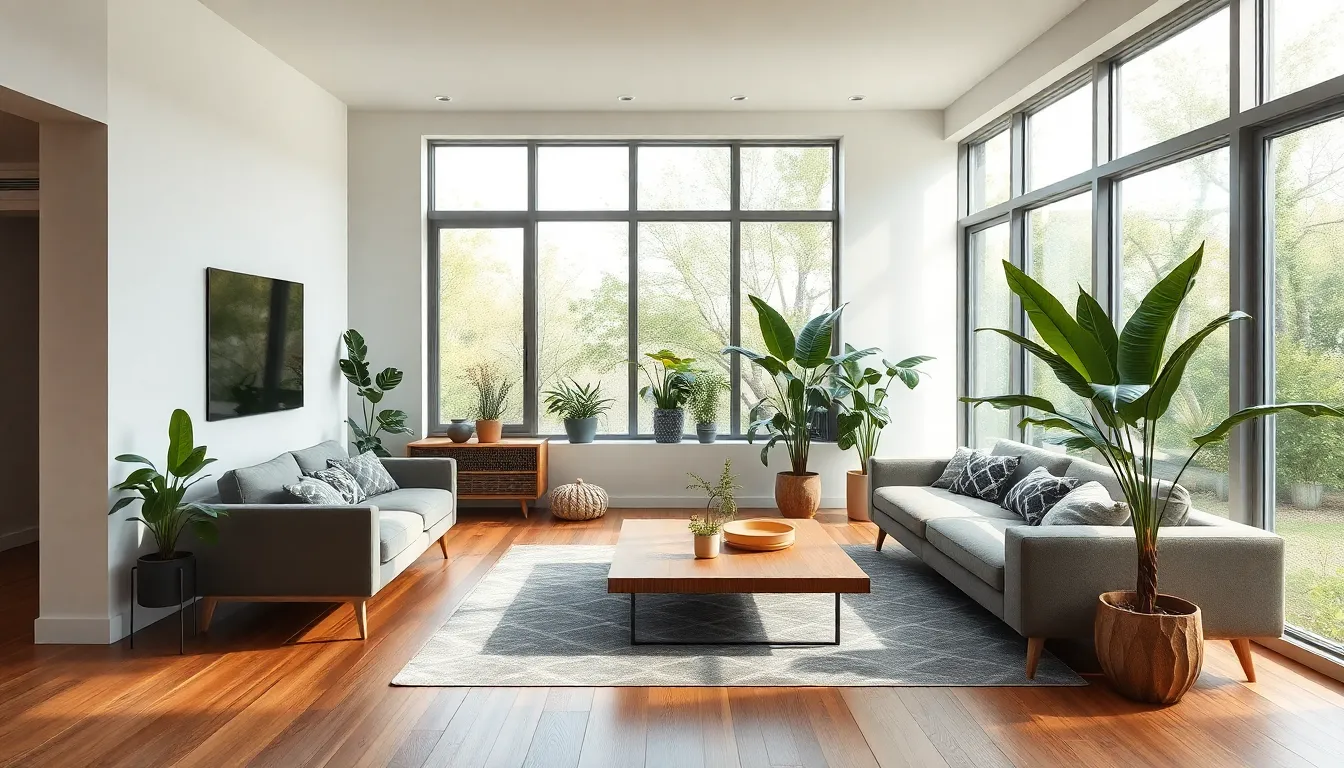
Modern interior design embodies simplicity and functionality. Its features create an inviting atmosphere that enhances both aesthetics and comfort.
Minimalism and Functionality
Minimalism serves as a cornerstone of modern interior design, stripping away unnecessary elements. Clean lines dominate spaces, fostering a sense of openness and clarity. Functionality takes precedence; every piece of furniture and decor should serve a purpose. Spaces often include multi-functional furniture that maximizes usability, an essential factor in urban settings. This design approach streamlines environments, creating a tranquil space that reduces clutter and distractions. When there is a focus on practical designs, the overall harmony of the space improves significantly.
Use of Natural Materials
Natural materials play a pivotal role in modern interior design, establishing a connection to the environment. Wood, stone, and glass enrich spaces with warmth and texture. Through these elements, interiors acquire an organic quality that enhances comfort. Sustainability becomes a priority with the use of reclaimed or responsibly sourced materials, aligning with eco-conscious values. Additionally, these materials contribute to lower chemical emissions, promoting healthier living spaces. The incorporation of greenery complements natural materials, balancing indoor aesthetics with nature. This synergy between natural elements and design elements cultivates a serene ambiance.
Popular Modern Interior Design Styles
Modern interior design features various influential styles, each with unique characteristics. Trends within these styles create diverse environments that reflect personal aesthetics.
Scandinavian Design
Scandinavian design emphasizes simplicity and functionality. This style typically showcases clean lines, light color palettes, and natural materials. White walls create a bright, airy feel, while wood accents add warmth. Furnishings often incorporate minimalistic forms, enhancing usability without clutter. Functionality plays a central role, with multi-functional furniture that maximizes space in urban settings. Greenery is frequently included to bring nature indoors, fostering tranquility and connection to the environment.
Industrial Design
Industrial design draws inspiration from warehouses and factories, showcasing raw materials and an open, airy layout. Exposed brick walls and steel beams contribute to a rugged aesthetic. Typically, this style employs a color scheme of grays, blacks, and browns, grounding the space. Furniture often features a mix of vintage and modern elements, enhancing character and depth. Lighting fixtures tend to expose bulbs and feature metallic finishes, adding visual interest. Overall, industrial design creates a bold, urban atmosphere that merges function with style.
Mid-Century Modern
Mid-century modern design celebrates the aesthetic of the 1950s and 1960s, focusing on clean lines and organic shapes. A distinct feature is the use of bold colors alongside neutral tones, creating a lively yet warm ambiance. Iconic furniture pieces often showcase tapered legs and smooth surfaces, emphasizing craftsmanship. Natural materials like wood and leather are common, adding texture and visual appeal. This style encourages a seamless flow between indoor and outdoor spaces, enhancing overall connectivity and livability. Mid-century modern design remains timeless, appealing to various tastes.
Color Palettes in Modern Interior Design
Color palettes play a crucial role in defining modern interior design. These palettes invoke feelings of calmness and sophistication while promoting a sense of spaciousness.
Neutral Colors
Neutral colors often dominate modern interiors, creating serene backdrops. Shades like whites, grays, and beiges enhance the feeling of openness. They allow natural light to flow through spaces, making them feel inviting. Incorporating various textures in neutral tones adds depth to the overall design. Walls painted in soft grays or off-whites provide a perfect canvas for furniture arrangements. Designers frequently use neutral colors to ensure versatility, enabling seamless integration of personal styles and decor.
Bold Accents
Bold accents add vibrancy to modern spaces, breaking the monotony of neutral backgrounds. Colors such as deep blues, rich reds, or striking yellows create focal points that draw the eye. Decorative items like cushions, artwork, and rugs often showcase these bold hues, enriching overall aesthetics. Designers strategically position these accents to complement neutral elements, achieving balance within the space. A single bold piece, like a bright piece of art or a colorful chair, can transform an entire room. By using bold colors sparingly, it maintains harmony while offering excitement to the design.
Incorporating Technology in Modern Interior Design
Modern interior design increasingly relies on technology to enhance living spaces. Smart home features create an atmosphere of convenience, allowing homeowners to control lighting, temperature, and security through mobile devices. High-tech appliances streamline daily tasks, adding efficiency to kitchen and laundry areas.
Integration of smart technology significantly impacts energy management. Programmable thermostats optimize heating and cooling, resulting in lower energy bills and improved comfort. LED lighting systems provide flexibility, enabling users to adjust brightness and color temperature to fit their mood or activity.
Virtual reality tools are revolutionizing the design process. Designers can create immersive experiences, letting clients visualize their spaces before making decisions. This technology fosters collaboration and ensures customer satisfaction by allowing personalized adjustments early in the planning phase.
Home automation systems contribute to overall safety as well. Smart security cameras and alarm systems enhance peace of mind, offering remote monitoring capabilities. These systems can be integrated seamlessly into modern designs, maintaining an aesthetic appeal while prioritizing security.
Sustainability also benefits from technological advancements. Innovative materials and energy-efficient solutions align with eco-conscious values in modern interior design. Automated systems promote efficient resource use and lower environmental impact.
Technology plays a vital role in modern interior design. From smart home features to immersive design tools, these technological implementations enhance comfort, security, and sustainability. Integrating cutting-edge solutions into design processes maximizes functionality while reinforcing personal style and well-being.
Modern interior design embodies a harmonious blend of creativity and functionality. By prioritizing simplicity and sustainability it transforms spaces into personalized sanctuaries. The thoughtful selection of materials and colors enhances both comfort and aesthetics while promoting a connection to nature.
As technology continues to evolve it plays a crucial role in enhancing the functionality of modern spaces. Smart home features and innovative designs not only streamline daily living but also reflect a commitment to eco-conscious practices.
Ultimately modern interior design is about creating environments that resonate with individual styles while fostering well-being and joy. Embracing these principles allows anyone to craft a space that truly feels like home.

