


Scandinavian interior design is like a breath of fresh Nordic air in a world full of clutter. It’s the perfect blend of simplicity, functionality, and a sprinkle of hygge magic that transforms any space into a cozy retreat. Imagine a home where every piece of furniture has a purpose and every color tells a story—sounds dreamy, right?
Overview of Scandinavian Interior Design
Scandinavian interior design emphasizes simplicity and functionality. This style prioritizes clean lines and minimal decoration, creating spaces that feel open and airy. Natural light plays a crucial role, with large windows and light colors enhancing brightness.
Furniture in Scandinavian style often features organic shapes and is crafted from sustainable materials, such as wood and leather. The use of neutral color palettes, including whites, greys, and muted tones, fosters a calm atmosphere. Accents of warmer hues may appear through textiles like throws, rugs, and cushions.
Incorporating plants is common in Scandinavian design, as greenery introduces life to interiors. Each element intentionally serves a purpose, contributing to overall functionality without presenting visual clutter. Accessories are thoughtfully chosen, often showcasing craftsmanship or personal significance, further supporting the philosophy of “less is more.”
Decorative pieces include ceramics and textiles that reflect traditional Scandinavian craftsmanship. These items blend seamlessly into environments, encouraging a cozy yet sophisticated vibe. The design promotes hygge, a Danish concept emphasizing comfort and coziness, inviting individuals to relax and enjoy their surroundings.
Ultimately, Scandinavian interior design encourages individuals to curate their spaces mindfully. It’s about finding harmony between aesthetics and practicality, ensuring each piece contributes to the serene ambiance.
Key Characteristics
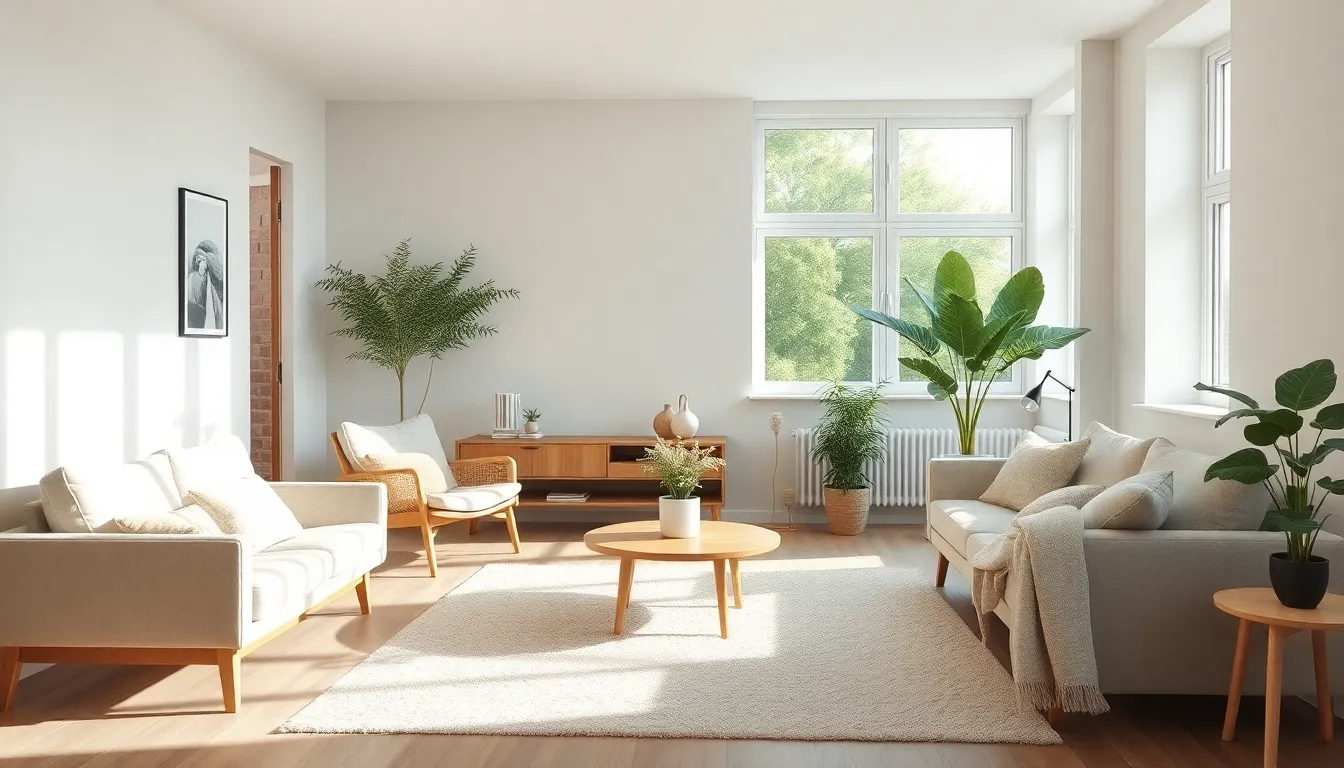
Scandinavian interior design features distinct characteristics that define its refreshing style. This design emphasizes a cozy atmosphere filled with purpose and clarity.
Simplicity and Minimalism
Simplicity anchors Scandinavian design. Clean lines and uncluttered spaces create a serene ambiance. Minimalism prevails, allowing each item to shine without overwhelming the senses. A restrained color palette, alongside functional furniture, reinforces this aesthetic. Emphasis on open spaces fosters an inviting environment where one can unwind.
Functionality and Utility
Functionality serves as a cornerstone of Scandinavian interiors. Furniture pieces often blend practical use with elegant design. Each element contributes to the overall usability, ensuring spaces remain both beautiful and livable. Thoughtful layouts prioritize flow and accessibility, catering to daily activities. For instance, versatile storage solutions optimize space while enhancing visual appeal.
Natural Materials and Textures
Natural materials play a crucial role in Scandinavian design. Wood, stone, and wool enrich interiors, inviting authenticity and warmth. Textures elevate the aesthetic, creating depth and interest. Furniture typically showcases sustainable materials, reflecting environmental consciousness. Accents like textiles and ceramics provide charm while adhering to the overall theme of simplicity. Incorporating plants further bridges the connection to nature, infusing life into the serene setting.
Color Palette
The color palette in Scandinavian interior design plays a crucial role in establishing a serene atmosphere. Colors evoke feelings and contribute to the overall aesthetic, combining functionality and beauty.
Neutral Tones
Neutral tones dominate Scandinavian design, creating a calming environment. Soft whites, cool grays, and gentle beiges fill spaces without overwhelming. Such colors enhance natural light, making small rooms feel larger. They offer versatility, blending seamlessly with various decor styles. Additionally, these shades provide a perfect backdrop for accent items. Neutral palettes foster an inviting ambiance while maintaining a minimalistic approach.
Accents and Contrasts
Accents and contrasts add depth to Scandinavian interiors. Bold colors like deep greens or navy blues serve as striking focal points. These hues often appear in decorative elements, artwork, or textiles, introducing personality. Contrasting dark furniture against lighter walls can create visual interest. While maintaining simplicity, these accents highlight craftsmanship and texture. They support the “less is more” philosophy, ensuring each color choice carries significance.
Furniture and Decor
Scandinavian interior design centers around functional and aesthetically pleasing furniture and decor choices. Each piece contributes to the overall ambiance that embodies simplicity and comfort.
Essential Pieces
Essential pieces in Scandinavian design include multifunctional furniture that maximizes space. Sofas often feature clean lines, ensuring comfort without sacrificing style. Tables, like dining or coffee varieties, commonly exhibit minimalistic designs, allowing them to blend seamlessly into any room. Chairs might showcase ergonomic shapes, providing both support and elegance. Shelving units emphasize both practicality and beauty, contributing to organized spaces. Lighting fixtures highlight craftsmanship and add warmth, while storage solutions promote decluttered environments, staying true to the “less is more” philosophy.
Popular Design Elements
Popular design elements showcase the unique charm of Scandinavian aesthetics. Natural materials, such as wood and stone, dominate, offering authenticity. Textiles, including wool and linen, enhance warmth and softness. Ceramics often serve as decorative focal points, emphasizing craftsmanship and artistry. Indoor plants frequently appear, bringing life and a connection to nature. Neutral color palettes with occasional bold accents define a sense of tranquility while adding character to spaces. Clean shapes and functional accessories round out the design, encouraging a harmonious balance between form and function.
Lighting in Scandinavian Design
Lighting plays a vital role in Scandinavian interior design, enhancing its signature simplicity and functional beauty. The focus on creating bright, inviting spaces reflects the region’s cultural connection to nature.
Natural Light Utilization
Natural light is prioritized in Scandinavian interiors, maximizing daylight with large windows and open layouts. Spaces often feature sheer curtains or no window treatments, allowing sunlight to fill rooms. This approach fosters a cheerful atmosphere, counteracting long winter months. Furthermore, reflective surfaces like mirrors amplify light, creating a sense of openness. Maintaining a connection with the outdoors increases tranquility, blending interior and exterior environments seamlessly.
Lighting Fixtures
Lighting fixtures serve both functional and aesthetic purposes in Scandinavian design. Sleek, minimalistic designs characterize light sources, emphasizing clean lines and simplicity. Pendant lights made from natural materials complement a room’s overall feel, while table lamps offer versatility and warmth. Dimmer switches allow for adjustable brightness, catering to different moods and activities. Additionally, LED bulbs provide energy efficiency, aligning with sustainability values inherent in Scandinavian design. These thoughtful lighting choices enhance the cozy, inviting aesthetic typical of this style.
Scandinavian interior design offers a unique blend of simplicity and functionality that resonates with modern living. By prioritizing clean lines and a neutral color palette, it fosters a serene atmosphere that promotes well-being. The thoughtful use of natural materials and multifunctional furniture highlights a commitment to sustainability while enhancing the aesthetic appeal of any space.
Incorporating personal touches through accessories and plants adds warmth and character, ensuring each home reflects its inhabitant’s personality. Embracing the “less is more” philosophy encourages a mindful approach to curation, allowing individuals to create harmonious environments that balance beauty and practicality. This design style not only transforms spaces but also enriches lives, making it a timeless choice for those seeking comfort and elegance.

