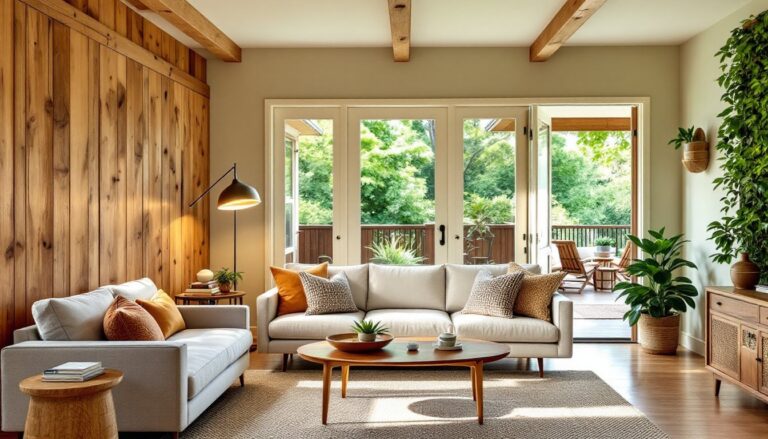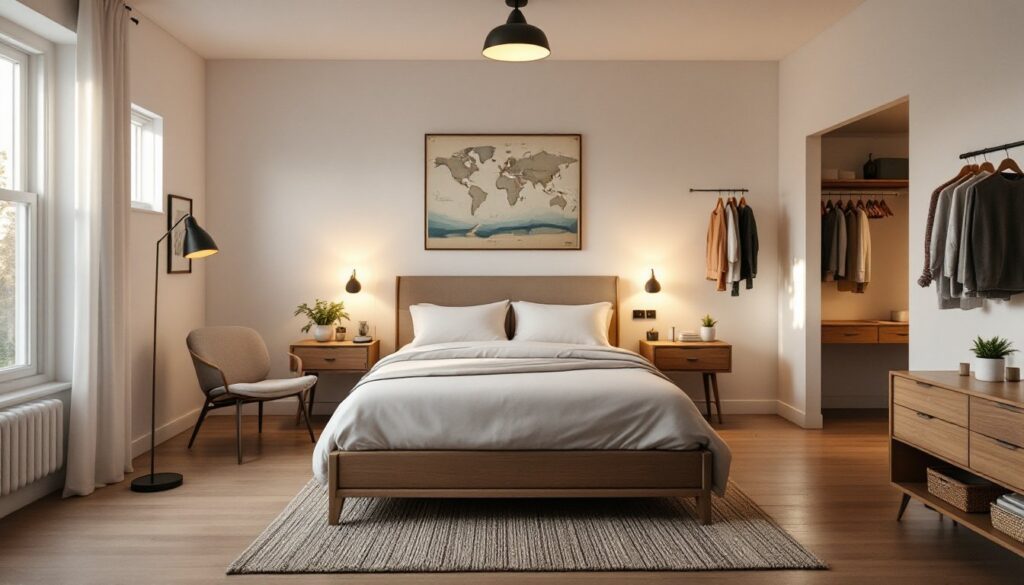
Running a successful Airbnb isn’t just about location, your interior design directly impacts guest satisfaction, reviews, and bookings. A thoughtfully designed rental space can command higher nightly rates and earn consistent five-star reviews that keep your calendar full. Unlike a personal home, an Airbnb needs to appeal to diverse guests with different tastes and needs while maintaining durability and easy turnover. The good news: you don’t need an expensive designer or a gut renovation to make it work. Smart design choices focused on neutral aesthetics, functional layouts, and guest-centric details will transform any space into a rental that guests rave about and want to book again.
Table of Contents
ToggleKey Takeaways
- Airbnb interior design success depends on neutral color palettes, quality furniture, and functional layouts that appeal to diverse guests while withstanding frequent turnover.
- Layer multiple light sources including ceiling fixtures, table lamps, and dimmer switches to create an inviting atmosphere and improve photo quality for bookings.
- Incorporate subtle local artwork, regional touches, and thoughtfully curated details that differentiate your rental and create memorable experiences guests want to share.
- Provide ample, organized storage solutions such as closet hangers, under-bed containers, and labeled shelving to eliminate guest frustration and boost positive reviews.
- High-quality listing photography shot in natural daylight with multiple angles and styled staging is essential—poor photos kill bookings regardless of actual property condition.
Create a Cohesive Color Palette and Design Theme
Your first step is choosing a color palette that feels intentional, not random. Stick to 2-3 neutral base colors, think warm whites, soft grays, or warm beige, then add depth with one accent color. This isn’t about playing it boring: it’s about creating a backdrop that doesn’t clash with guests’ luggage, doesn’t overwhelm the space, or feel dated in two years.
Neutrals work because they feel clean, spacious, and let guests imagine themselves in the space. A cohesive theme (coastal, modern, rustic farmhouse, minimalist) gives the property personality without requiring constant redecorating. Paint is your cheapest design move, quality primer and two coats of neutral paint can transform a room for under $200. Avoid dark accent walls in small rentals: they shrink the perceived space and make photography harder.
Consistency across rooms matters too. If the living room is coastal, don’t suddenly switch to industrial chic in the bedroom. This doesn’t mean every room looks identical, vary textures and secondary colors, but the overall theme should flow. Guests mentally bookmark rentals that feel “put together,” and a unified design achieves that without breaking the budget.
Invest in Quality Furniture and Functional Layouts
Furniture takes the hardest beating in a rental property. Cheap pieces fall apart after a few seasons of guest wear and tear, then you’re replacing them constantly. Instead, invest in sturdy, well-constructed pieces in neutral tones that can handle real-world use. Solid wood or high-quality engineered wood frames outlast particle board every time.
Layout is just as critical. Arrange furniture to maximize flow and functionality. Guests need clear pathways, adequate seating without overcrowding, and beds positioned so they’re not squeezed against walls. A queen bed takes roughly 200 square feet when accounting for nightstands and walking space: a twin tucked in a corner works for a secondary bedroom but frustrates guests in a master.
Choose multifunctional pieces: ottomans with hidden storage, beds with underbed drawers, and coffee tables that can double as work surfaces. Guests often use rentals as temporary offices, so a desk or table with a good chair is almost mandatory now. That coffee table that looks cute but wobbles? Replace it. Guests notice, and it affects their review. Focus on pieces that earn their square footage through durability and utility, not just looks.
Lighting Matters: Set the Right Mood and Brightness
Lighting separates a cozy rental from a dreary cave. Bad lighting is one of the top complaints in Airbnb reviews, and it’s completely fixable. Install multiple light sources in each room: a ceiling fixture, table lamps, wall sconces, and ambient options like string lights or LED strips. Avoid relying on a single overhead fixture: it’s harsh and uninviting.
Use warm white bulbs (2700K color temperature) for living and sleeping areas: they feel inviting and flattering in photos. Bedside lamps are non-negotiable, guests need to read and adjust lighting without fumbling for a wall switch. Install dimmer switches where possible, especially in bedrooms and living rooms, so guests can set the mood themselves.
Layering is the trick: combine task lighting (reading lamps, under-cabinet kitchen lights) with ambient lighting (ceiling fixtures, wall sconces) and accent lighting (lamps on side tables). During photography, this layering makes rooms look warm and lived-in rather than sterile. A single floor lamp in a dark corner often costs $40-80 but visibly improves guest perception and photos.
Smart Decor Touches That Reflect Local Culture
Generic rentals blur together: guests book properties that feel like they belong somewhere specific. Thoughtfully curated local decor builds identity and connection. Hang local artwork, vintage maps, or photographs of nearby landmarks on walls instead of mass-produced prints. Thrift stores and local artists offer affordable, unique pieces that tell a story about the neighborhood.
Incorporate subtle regional touches: beach-themed rentals near water, cozy quilts in mountain properties, or kitchen art in urban lofts. This doesn’t mean overdoing it, one or two standout local pieces per room is enough. A guest from out of state notices and appreciates these details: they feel like insider knowledge about the area.
Libraries and coffee table books about the region, local restaurant recommendations in a binder, or curated playlists tied to the location add personality without cluttering. These touches differentiate your listing and give guests conversation starters and social media moments. They’re also inexpensive, many cost under $20 per room.
Practical Storage Solutions for Guest Convenience
Guest frustration skyrockets when there’s nowhere to unpack. Provide ample closet space with hangers, empty shelves, and drawers that actually function. A good closet rod with at least 8-10 hangers per sleeping area is baseline. Add shelves or cubbies if you have the space, guests with longer stays need somewhere to fold clothes.
Hidden storage keeps rooms feeling spacious and uncluttered. Use under-bed storage containers, trunk-style ottomans, or wall-mounted shelving instead of shoving luggage stands into corners. Wall-mounted shelves in the living area provide both display and practical storage. A small dresser or cabinet in the bedroom beats a closet rod alone.
Bathroom storage matters too: provide empty drawers or shelves for toiletries, hair tools, and personal items. A small linen closet or shelving near the shower for towels prevents the awkward “where do I put my stuff” moment. Clear labeling (Guest Supplies, Extra Towels, etc.) helps guests navigate without asking questions. This thoughtfulness directly translates to positive reviews and reduces messages asking about storage.
Photography-Ready Spaces That Drive Bookings
Your listing photos are your first impression: poor photos kill bookings regardless of actual condition. Stage your space as if a magazine is photographing it, remove clutter, make beds with crisp sheets, style nightstands with just a lamp and a small decor piece, and clear countertops to essentials.
Good lighting is critical here too. Shoot during daytime with natural light, and use multiple angles to show room dimensions and flow. A wide-angle lens (or phone setting) captures more of the room: a few close-ups show detail like tile work, fixtures, or quality linens. Shoot the bed straight-on, the kitchen with clean counters, and outdoor spaces in good weather.
Avoid cluttered corners, visible clutter, or messy bathrooms in photos, these are dealbreakers. Many successful Airbnb hosts style their photos with elegant interior styling techniques or use online design tools to visualize layouts before final setup. Your interior design app can help plan layouts and visualize color schemes before committing to purchases. A professional-quality listing with 15-20 photos consistently books better than grainy shots, even if the space itself is identical.
Conclusion
A high-performing Airbnb rental isn’t about expensive furnishings or trendy looks, it’s about deliberate choices that prioritize guest comfort, durability, and visual appeal. Neutral palettes, quality furniture, layered lighting, thoughtful local touches, and practical storage compound into a property guests love. Strong photography seals the deal and fills your calendar. Start with one or two improvements and build from there. Your booking rate and guest reviews will tell you what’s working.