Raleigh homeowners have more access to interior design inspiration than ever before, but transforming a living space into something that truly reflects your style takes more than scrolling through design apps. Whether you’re looking to refresh a single room or reimagine your entire home, understanding current interior design trends specific to the Raleigh market, and knowing how to balance budget with aesthetics, makes the difference. This guide walks you through what’s working in Raleigh homes right now, how to find the right designer, and practical strategies to update your space without very costly.
Table of Contents
ToggleKey Takeaways
- Interior design in Raleigh is shifting toward warm modernism with natural materials, clean lines, and biophilic design that incorporates plants and natural light.
- Finding the right interior designer requires asking about their design process, budget flexibility, experience with your home’s architectural style, and revision policies to ensure alignment with your vision.
- Strategic updates to lighting, paint, and hardware deliver the highest visual impact per dollar, transforming your space without requiring a full renovation.
- Raleigh’s unique design aesthetic blends Southern tradition with contemporary style, respecting regional architecture and incorporating real materials, vintage pieces, and thoughtfully designed outdoor spaces.
- Multifunctional spaces and adaptable furniture have become essential for Raleigh homeowners working from home, replacing outdated formal rooms with flexible workspaces.
Interior Design Trends Popular In Raleigh Homes Right Now
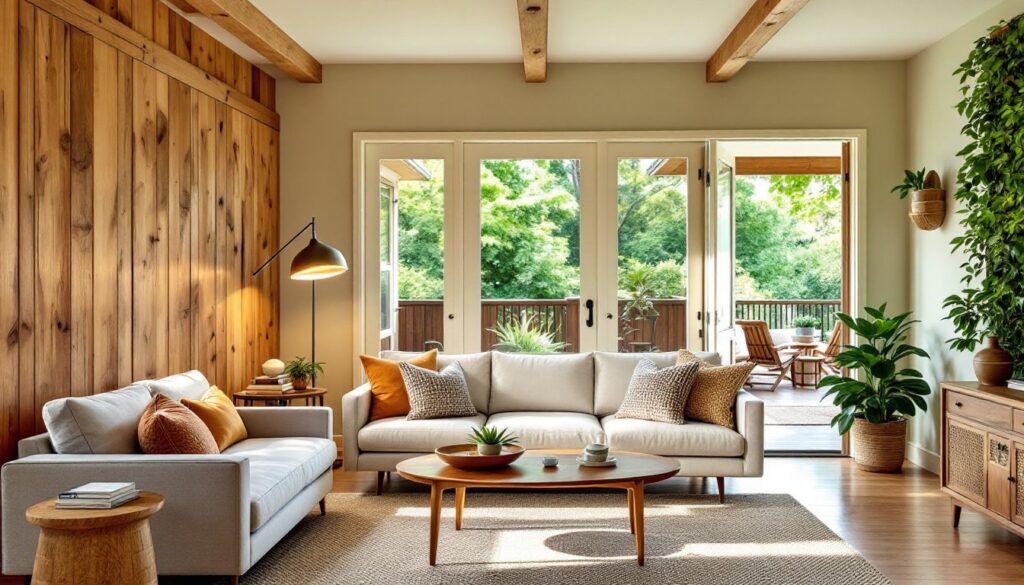
Raleigh’s interior design scene in 2026 is moving away from stark minimalism toward what designers call “warm modernism”, spaces that feel contemporary but livable, with personality baked in. Think natural materials like reclaimed wood and stone paired with clean lines and neutral palettes punctuated by bold accent colors.
One trend dominating local homes is the integration of biophilic design: incorporating plants, natural light, and organic textures directly into living spaces. Raleigh’s temperate climate and proximity to nature make this especially appealing. Homeowners are investing in large windows, skylights, and living walls rather than treating greenery as an afterthought.
Another shift you’ll notice is the move toward multifunctional spaces. With more people working from home, the old “formal dining room” is becoming a home office, creative studio, or flexible workspace by day. Furniture that adapts, drop-leaf tables, wall-mounted desks, modular seating, has become essential rather than trendy.
Color-wise, Raleigh designers are embracing deeper, earthy tones: sage green, warm charcoal, terracotta, and muted golds. These feel more grounded than the cool grays that dominated the last decade. Modern Interior Design: Transform explores these contemporary approaches in depth, showing how style and function work together to create spaces that age well and adapt to changing needs.
How To Find The Right Interior Designer In Raleigh
Finding a designer who understands your vision and budget isn’t a guessing game, it’s a conversation. Start by asking for recommendations from friends, checking portfolio websites, and reviewing work on local design platforms. Look for designers who specialize in residential work and have experience with projects similar in scale to yours.
When you connect with potential designers, ask for references and see their actual client work, not just stylized portfolio shots. A designer’s ability to work within constraints, budget, existing architecture, your personal taste, matters far more than whether they’ve been featured in a magazine.
Be upfront about your budget from the start. Designers appreciate clarity: it helps them propose realistic solutions instead of leading you down paths that won’t work financially. Some charge hourly ($75–$150+ per hour), others take a percentage of the project cost, and some offer flat fees for specific deliverables like a floor plan or mood board.
Questions To Ask Potential Designers
- What’s your design process, and how often will we communicate during the project?
- Can you work within a specific budget, and how do you handle costs that exceed estimates?
- Do you have experience with my home’s architectural style (colonial, modern, cottage, etc.)?
- Will you help with sourcing and purchasing, or am I responsible for that?
- What happens if I’m unhappy with a design recommendation, do you revise?
- Do you have a network of reliable contractors or vendors you typically work with?
- How long does a typical project take from concept to installation?
Asking these questions upfront prevents misunderstandings and ensures you’re partnering with someone who actually gets how you work.
Budget-Friendly Interior Design Updates For Raleigh Homeowners
Not every design improvement requires hiring a professional or emptying your wallet. Strategic updates to key areas, flooring, lighting, and wall treatment, create the biggest visual impact per dollar spent.
Start with lighting. Swapping out builder-grade fixtures for quality pendant lights over a kitchen island, updated sconces in a hallway, or a statement floor lamp in a corner transforms how a room feels. Lighting affects mood, functionality, and how colors actually read in a space. A $200 fixture upgrade often delivers more perceived change than a $500 paint job.
Paint is another high-ROI project. Choose one accent wall or a bold color for trim and doors rather than painting the whole house. Quality paint (not budget-bin stuff) applies smoother and lasts longer, so the investment pays dividends. Raleigh’s humidity means proper surface prep, cleaning, priming, and allowing adequate dry time, is non-negotiable.
Another budget win is refinishing existing elements. Hardware replacement on cabinets, new drawer pulls, light wood stain instead of dark, these small changes feel fresher and modern without the cost of full renovation.
Living Room And Kitchen Refresh Ideas
Living Room on a Budget:
- Rearrange furniture to improve flow and make the space feel intentional.
- Add layered lighting: overhead fixture, table lamp, floor lamp, different sources create warmth and flexibility.
- Interior Design App: Transform can help you visualize color and furniture placement before buying anything.
- Swap out throw pillows, blankets, and a rug, these are affordable updates with high visual impact.
Kitchen Refresh Without a Remodel:
- Paint cabinet doors while keeping the structure intact, costs $300–$800 depending on size.
- Update hardware and hinges: this alone makes cabinetry look fresher.
- Replace the backsplash if it’s dated. Peel-and-stick tiles or a simple painted treatment can modernize the space.
- Improve under-cabinet lighting with LED strips: it’s practical and makes the kitchen feel more upscale.
The key to budget-friendly updates is prioritizing impact. Focus on what you see daily and what sets the tone for the room, rather than spreading small budgets too thin across too many projects.
Raleigh’s Unique Design Aesthetic: Blending Southern Charm With Contemporary Style
Raleigh sits in a design sweet spot: it’s rooted in Southern tradition but increasingly cosmopolitan. The best interiors in the area honor that balance, they don’t pretend to be Brooklyn lofts, and they don’t lean entirely on “farmhouse chic” clichés either.
True Raleigh design acknowledges the region’s architecture. Many homes here date from the 1950s–1980s, with classic suburban bones and pitched roofs. Rather than fighting that heritage, contemporary Raleigh design works with it. A ranch home gets clean-lined updates, quality materials, and modern color palettes that respect its original simplicity. Brick exteriors and wood siding stay authentic: interiors shift toward brighter, more open aesthetics.
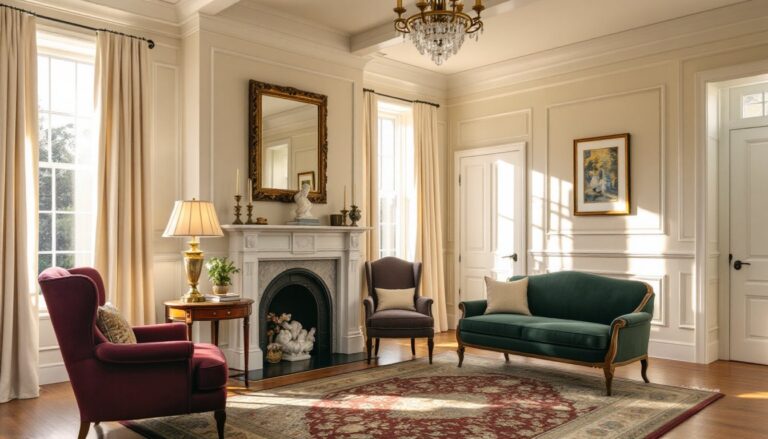
Southern tradition shows up most respectfully in material choices and layering. Think real hardwood instead of vinyl, vintage or heirloom pieces mixed with modern seating, and collected artwork rather than coordinated sets. Scandinavian Interior Design: Transform demonstrates this principle, mixing old and new, simple and curated, which resonates strongly with Raleigh homeowners seeking timeless style.
Outdoor spaces matter deeply to Raleigh’s design culture. Porches, decks, and patios are outdoor rooms, not afterthoughts. Designing these as thoughtfully as interiors, with seating, shade, and cohesive finishes, has become standard for homes aiming for that Southern-contemporary blend. Resources like Southern Living and Hunker regularly feature regional approaches to this aesthetic, and they’re worth studying if you want to understand how Raleigh design differs from generic trends.
The goal isn’t copying anyone else’s style. It’s using materials, proportions, and color choices that feel honest to where you live while making spaces that function beautifully for modern life.
Conclusion
Interior design for your Raleigh home doesn’t require choosing between trendy and timeless, or between professional help and DIY updates. The smartest approach combines awareness of what’s working locally, realistic budgeting, and incremental improvements that compound over time. Whether you’re working with a designer or tackling updates yourself, investing in fundamentals, lighting, materials, and thoughtful color, pays off in spaces that feel intentional, comfortable, and personal.