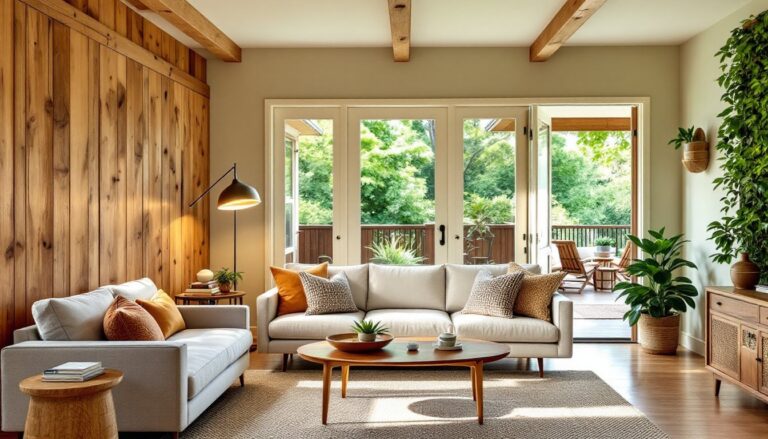
In today’s fast-paced work environment, the office isn’t just a place to clock in and out; it’s a second home. A well-designed office can spark creativity, boost productivity, and even make Mondays feel a little less dreadful. Imagine walking into a space that inspires collaboration and innovation—where even the coffee machine seems to be cheering you on.
Overview of Office Interior Design
Office interior design focuses on creating functional and aesthetically pleasing workspaces that enhance employee satisfaction and productivity. Balanced layouts encourage collaboration among team members, enabling seamless communication and innovation. Elements such as color, lighting, and furniture play a critical role in shaping the atmosphere of an office.
Incorporating ergonomic furniture ensures comfort and supports employee well-being. Layout plans often prioritize open spaces and designated quiet areas, allowing workers to choose environments that suit their tasks. Designs that include plants or natural materials improve air quality and create a calming ambiance.
Sustainable design has gained traction, with businesses seeking eco-friendly materials and energy-efficient solutions. Research shows that incorporating biophilic design, which connects nature to the workplace, can significantly elevate mood and creativity levels.
An effective office interior design adapts to diverse work styles by providing a mix of private offices, collaborative spaces, and lounges. Flexibility in design accommodates changing needs and fosters a culture of growth.
Ultimately, space serves as a vital element in branding and employee experience. Thoughtful design connects the company’s vision and values, creating an environment where employees feel engaged and motivated. Prioritizing these aspects leads to a positive impact on organizational performance and employee retention rates.
Key Elements of Office Interior Design
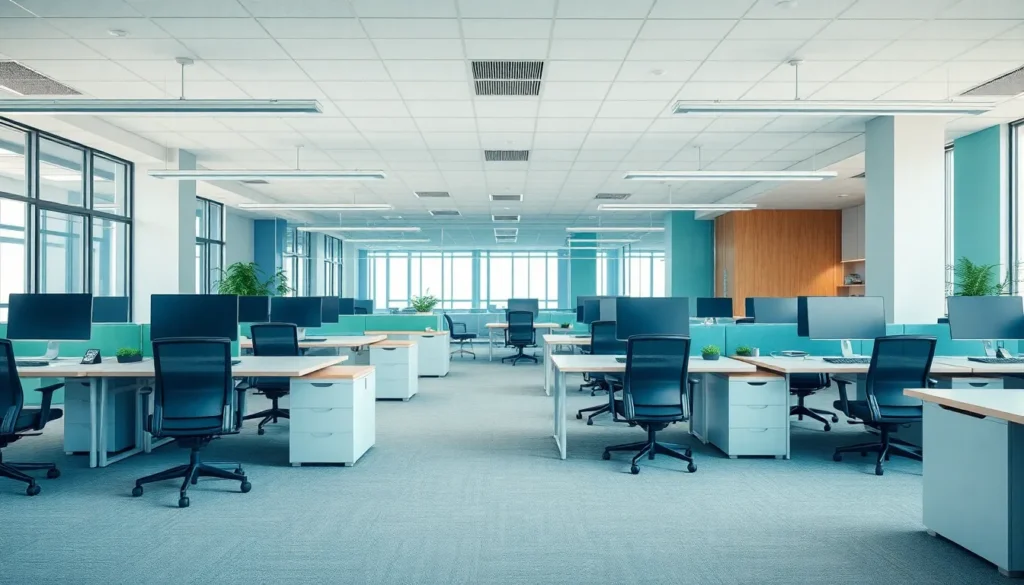
Office interior design incorporates various elements that enhance functionality and aesthetics. Attention to detail influences employee productivity and satisfaction.
Space Planning
Space planning optimizes the layout for productivity and collaboration. It emphasizes accessibility for team members while promoting efficient workflows. Creating dedicated areas for focused work helps reduce distractions and increases efficiency. Incorporating open spaces can facilitate communication while providing quiet zones for concentration. Effective space planning adapts to the unique needs of teams, supporting different work styles.
Color Schemes
Color schemes play a vital role in shaping the workplace atmosphere. They impact mood, productivity, and overall employee morale. Calming colors like blues and greens promote relaxation, while vibrant hues encourage creativity and energy. Using a balanced palette helps maintain harmony in design, fostering a welcoming environment. Colors can also reinforce brand identity, providing a sense of cohesion and belonging in the workspace.
Furniture Selection
Furniture selection significantly affects employee comfort and well-being. Ergonomic chairs and desks minimize strain, supporting long hours of work. Flexible furniture arrangements enhance adaptability, accommodating various tasks and team sizes. Choosing modular pieces allows for easy reconfiguration based on evolving needs. Quality materials add durability and enhance the overall aesthetic, reflecting the company’s values and culture.
Trends in Office Interior Design
Modern office design emphasizes adaptability and employee well-being. Innovative trends shape workspaces, encouraging collaboration and enhancing productivity.
Open-Plan Spaces
Open-plan spaces promote communication among team members. Designs often feature flexible layouts that facilitate interaction. Such environments encourage spontaneous collaboration and idea sharing. Employees appreciate the reduced hierarchy that open spaces create. Noise management strategies, like acoustical panels, maintain comfort while ensuring efficacy.
Biophilic Design
Biophilic design integrates natural elements into the workplace. Incorporating plants, natural light, and organic materials creates a soothing atmosphere. These elements link employees to nature, which enhances mood and creativity. Studies show that biophilic features can improve cognitive function and reduce stress levels. Spaces designed with nature in mind foster a healthier work environment.
Flexible Workspaces
Flexible workspaces adapt to various work styles. Movable furniture and multi-purpose areas support both teamwork and individual tasks. Employees benefit from the ability to choose their workspace, leading to increased satisfaction. Areas designated for quiet focus coexist with collaborative zones. Technology integration further enhances flexibility, enabling seamless transitions between tasks.
The Impact of Office Interior Design on Productivity
Office interior design significantly influences productivity levels. A thoughtfully designed workspace encourages creativity and collaboration. For example, an open plan layout fosters communication among team members, leading to enhanced brainstorming sessions. Natural light plays a pivotal role, as it improves mood and cognitive function.
Color choices also affect employee performance. Calming shades, like soft blues and greens, promote relaxation, while vibrant colors, such as yellow and orange, stimulate creativity. Adjusting these color schemes based on the purpose of each area creates an environment that aligns with the tasks at hand.
Furniture selection is crucial for comfort. Ergonomic designs prevent strain and discomfort, allowing employees to focus on their work. Flexible arrangements, including adjustable desks and movable chairs, support various tasks and promote healthy working postures, thereby improving overall productivity.
Biophilic design elevates workplace experience. Incorporating plants and natural elements not only beautifies the space but also connects employees with nature, which can reduce stress and boost creative thinking. Sustainable materials and energy-efficient solutions further contribute to a positive atmosphere, reflecting a company’s commitment to wellness.
Additionally, designated areas for focused work enhance productivity. Quiet spaces allow for concentration, while collaboration zones encourage teamwork. By balancing these different environments, companies cater to diverse work styles, ultimately increasing job satisfaction and retention rates.
Attention to these design elements enhances functionality and plays a crucial role in shaping the office culture. A well-designed office doesn’t just look good; it transforms the work experience, leading to improved organizational performance.
The significance of office interior design can’t be overstated. A well-thought-out workspace not only boosts productivity but also enhances employee well-being and satisfaction. By prioritizing elements such as space planning, color schemes, and ergonomic furniture, businesses can create environments that foster collaboration and innovation.
Incorporating biophilic design and sustainable practices further elevates the workplace atmosphere, making it a haven for creativity. As organizations adapt to changing work styles, investing in thoughtful office design becomes essential for attracting and retaining talent. Ultimately, a compelling office environment shapes a positive culture and drives organizational success.