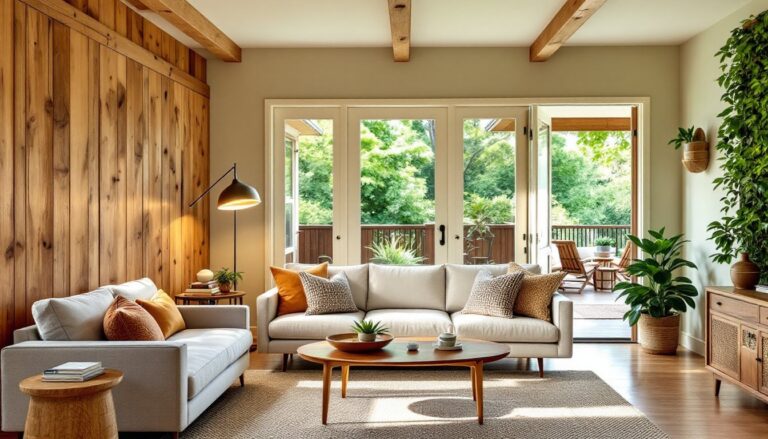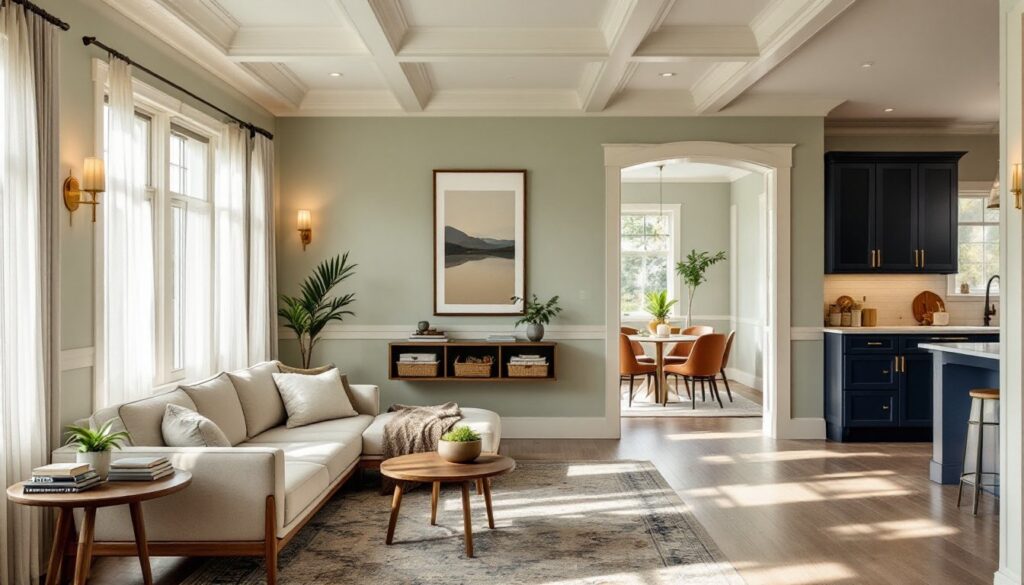
Bungalows are having a moment, and for good reason. These compact, character-filled homes demand a different design approach than sprawling modern layouts. The challenge isn’t just making a bungalow look good: it’s about honoring its inherent charm while solving real spatial constraints. Whether your bungalow is a 1920s original or a contemporary cottage-style build, the right bungalow interior design choices can transform cramped quarters into a home that feels both intimate and breathable. This guide walks you through proven strategies to maximize every square foot without sacrificing style.
Table of Contents
ToggleKey Takeaways
- Bungalow interior design succeeds by working with low ceilings and compact layouts rather than against them, emphasizing built-in details and open sight lines to prevent spaces from feeling boxed in.
- Warm neutrals and earth tones like soft whites, creams, and sage greens make bungalows feel cozy and open, while bold accent colors on doors or cabinetry add personality without overwhelming small spaces.
- Choose intentional, compact furniture with exposed legs and multi-functional pieces to maximize function—round dining tables, vertical shelving, and ottomans with storage solve the spatial crunch.
- Use flush-mount lighting, layered fixtures including wall sconces and table lamps, and maximize natural light through sheer curtains to keep low ceilings from feeling cramped.
- Create visual interest through quality over quantity, strategic repetition, and vertical elements like tall artwork and floor-to-ceiling drapes that draw the eye upward in low-ceilinged spaces.
- Define zones with area rugs, console tables, and color shifts rather than walls, maintaining the open-plan feel that prevents bungalow interiors from feeling confining.
Understanding Bungalow Design Principles
Bungalows are defined by low ceilings, compact floor plans, and horizontal lines. These aren’t design flaws, they’re the foundation of what makes bungalows special. The trick is to work with these constraints rather than against them.
Traditional bungalows feature built-in shelving, window seats, and woodwork that gives them character. Your design strategy should emphasize these original details instead of burying them under contemporary minimalism. Even if yours is a newer construction, mimicking these principles, thinking in terms of integrated storage and architectural detail, creates that cohesive bungalow feel.
The real skill lies in balancing nostalgia with functionality. A 1920s bungalow might have a charming front parlor but no separate dining room. Rather than fighting this, embrace it. Use furniture arrangement, area rugs, and subtle color shifts to define zones without adding walls or heavy partitions. Sight lines matter here: because spaces are small, keeping views open and unobstructed prevents the home from feeling boxed in.
Consider how Scandinavian Interior Design: Transform echoes bungalow philosophy. Both styles prioritize coziness, built-in storage, and making small spaces livable. Bungalows aren’t about maximalist displays: they’re about thoughtful, purposeful decisions.
Color Palettes That Work Best for Bungalows
Color is your secret weapon in a bungalow. The right palette makes a 700-square-foot space feel intentional rather than cramped.
Warm Neutrals and Earth Tones
Warm whites, creams, and soft grays are bungalow staples for a reason. They reflect light and keep the interior feeling open. Think not-quite-white paint, labels like “off-white,” “ivory,” or “linen” add warmth without the harshness of pure white.
Pair these with earth tones: warm terracottas, sage greens, and muted ochres work beautifully in a bungalow context. A sage green accent wall in a bedroom or hallway references vintage bungalow aesthetics while staying fresh. Similarly, warm wood tones (especially original or restored wood trim) ground the space and prevent it from feeling sterile.
The psychology here is simple: warm neutrals make compact spaces feel cozy rather than confining. A bungalow painted in cool grays can feel cold and institutional. Warm neutrals feel like home.
Modern Bold Accents
Once your base is established, don’t shy away from personality. A bold accent color in a small dose, perhaps in a kitchen nook, a powder room, or as trim detailing, prevents the entire home from reading as beige and boring.
Consider navy blues, deep greens, or even warm blacks on doors, kitchen cabinetry, or exterior shutters. These accent colors work best when applied to architectural features rather than sprawled across walls. A single navy-painted door becomes a focal point: navy walls throughout make the space feel cave-like.
Design platforms like House Beautiful frequently showcase bungalows using this exact strategy: soft, warm neutrals as the foundation with pops of deeper color in doors, cabinetry, or trim. It’s controlled yet impactful.
Furniture Selection and Layout Strategies
This is where bungalow interiors succeed or fail. Oversized, low-profile furniture is the enemy in a space with low ceilings and limited square footage.
Choose pieces intentionally. A compact sectional is better than a sprawling sofa: a round or oval dining table fits a small eat-in kitchen better than a rectangle. Vertical space matters more in bungalows, invest in floor-to-ceiling shelving rather than bulky sideboards. Wall-mounted storage solutions, floating shelves, and built-ins maximize function while keeping sight lines clear.
Furniture legs matter, too. Pieces with exposed legs create visual lightness compared to skirted or solid-based furniture, which can make spaces feel heavier. In a low-ceilinged space, this small detail changes how the room breathes.
Layout strategy hinges on defining zones without walls. An area rug in the living section of an open-plan room anchors the furniture arrangement and suggests a boundary. Similarly, a console table behind a sofa can define the transition between living and dining areas. Bungalows thrive on these subtle spatial cues.
Multi-functional furniture deserves special mention. An ottoman with storage, a coffee table that lifts to dining height, or a bed with drawers underneath solves the storage crunch that plagues compact homes. Interior Design Tips: Transform explores how thoughtful furniture choices multiply function in tight footprints.
Lighting Solutions for Bungalow Spaces
Low ceilings mean standard pendant lights and chandeliers won’t work. Flush-mount or semi-flush fixtures are your friends, they provide light without hanging down and eating up precious headroom.
Layer your lighting. Overhead illumination alone feels institutional: a mix of overhead fixtures, wall sconces, and table lamps creates depth and allows you to adjust the mood. In a bungalow bedroom, a single overhead light paired with bedside sconces is more practical than a large ceiling fixture.
Wall sconces flanking a mirror in a bathroom or hallway serve double duty: they’re decorative and functional. Battery-operated or plug-in options work if installing new wiring isn’t feasible (especially in older homes where running new circuits requires cutting into walls, a job for a licensed electrician if you’re not experienced).
Natural light is equally critical. Don’t block windows with heavy drapes. Opt for sheer curtains, roller shades, or light-filtering cellular shades that let daylight in while maintaining privacy. In a bungalow, every window is valuable real estate.
Consider task lighting in work zones, under-cabinet lights in the kitchen, a reading light over an armchair. These targeted sources prevent the need for one blaring overhead fixture that makes a small space feel harsher.
Creating Visual Interest Without Clutter
The line between “cozy” and “cluttered” is razor-thin in a small bungalow. Visual interest comes from thoughtful styling, not quantity.
Focus on quality over quantity. One beautiful plant in the corner beats five struggling ones scattered around. A curated bookshelf with books, a few decorative objects, and breathing room looks intentional. An overstuffed bookshelf feels chaotic.
Use repetition strategically. Three matching throw pillows, two pendant lights flanking a focal point, or a set of three framed prints creates rhythm without excess. Patterns add interest too, a patterned rug, wallpapered accent wall, or printed upholstery can energize a space if you stick to two complementary patterns max. Art Deco Interior Design: demonstrates how bold, geometric patterns can define a small space without overwhelming it.
Storage is styling. Open shelving works only if what’s stored is intentionally displayed. Baskets, boxes, and organized stacks create visual calm. A closed cabinet or sideboard with hidden storage prevents visual noise from accumulating.
Vertical interest matters in low-ceilinged spaces. Tall, narrow artwork, floor-to-ceiling drapes, or vertical shelving draws the eye upward and makes the ceiling feel higher psychologically. Conversely, too many horizontal elements (wide, low furniture: wall-to-wall rugs: busily patterned wallpaper running the full height) can compress the space visually.