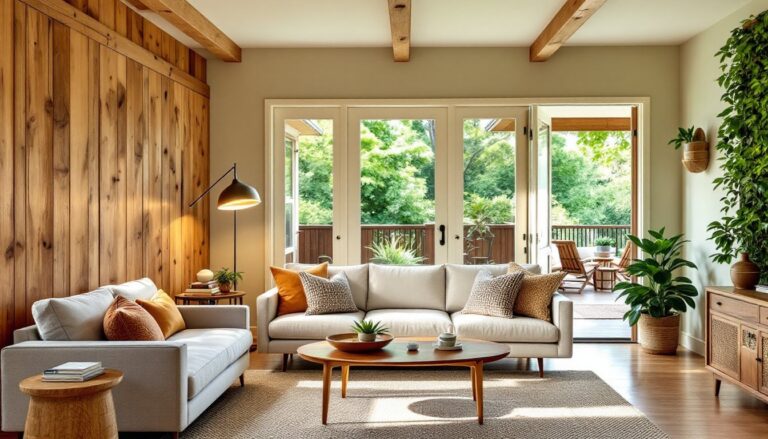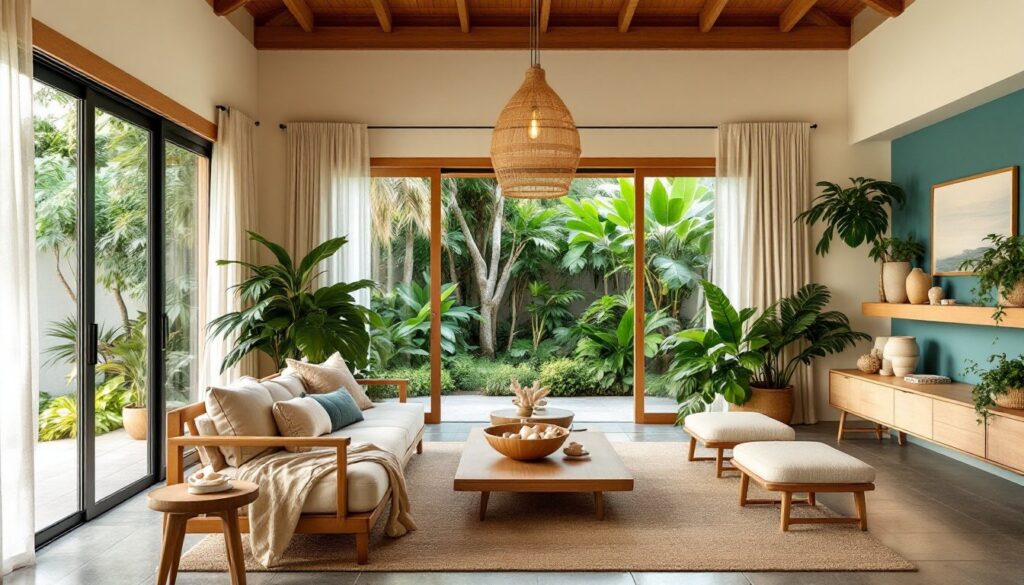
Hawaiian interior design brings the relaxed elegance of the islands into your home, blending natural materials, vibrant colors, and a laid-back lifestyle aesthetic. This design approach isn’t about tiki bars and tourist kitsch, it’s a thoughtful celebration of island living that emphasizes connection to nature, open spaces, and comfort. Whether you live near a beach or in the heart of the city, you can capture the essence of Hawaii through intentional color choices, authentic materials, and smart furniture placement. The 2026 trend toward sustainable, nature-focused interiors makes Hawaiian interior design more relevant than ever, offering homeowners a genuine way to create calming, inviting spaces that reflect both island beauty and practical living.
Table of Contents
ToggleKey Takeaways
- Hawaiian interior design prioritizes authenticity and simplicity by blending natural materials, ocean-inspired colors, and open layouts that reflect genuine island living rather than resort clichés.
- A restrained color palette using ocean blues, warm sand tones, volcanic blacks, and earth tones creates the foundation for Hawaiian interiors, with bright accent colors used sparingly in textiles and artwork.
- Real tropical plants grouped strategically in corners or near windows serve as functional and cultural anchors, making them essential to achieving an authentic Hawaiian interior design aesthetic.
- Natural materials like reclaimed wood, volcanic stone, linen, and woven textures define the style, while moisture-resistant finishes and open floor plans ensure both beauty and practicality.
- Meaningful cultural decor elements—sourced respectfully from local artists and authentic sources—combined with functional pieces like woven baskets and wooden shelving complete the space without clutter.
Define Hawaiian Interior Design
Hawaiian interior design blends the natural beauty of the islands with a functional, unpretentious approach to home styling. At its core, it’s about creating spaces that feel open, airy, and deeply connected to the outdoors, even if your windows overlook a city street.
Unlike other tropical styles that can feel heavy or ornate, Hawaiian interior design emphasizes simplicity and authenticity. Think of it as the design philosophy that island residents actually live with, not a resort fantasy. Natural light, indoor-outdoor flow, and an emphasis on handcrafted or locally sourced pieces define the aesthetic.
The style draws from Hawaiian culture, natural island environments, and a lifestyle that prioritizes comfort over formality. You’ll see influences from plantation-era architecture, native plant life, and the practical needs of island living, good ventilation, moisture-resistant materials, and durable furnishings. This approach contrasts with Modern Interior Design: Transform in that Hawaiian design is rooted in cultural and environmental context rather than universal minimalism, though both emphasize clean lines and functionality.
Key Color Palettes for Hawaiian Interiors
Color is where Hawaiian interior design truly comes alive. The palette draws directly from the islands: ocean blues, sandy beiges, volcanic blacks, and the greens of native vegetation.
Primary Colors:
- Ocean blues and teals: These are the workhorses of Hawaiian design, appearing in accent walls, textiles, or artwork. Use deeper teals in larger spaces: lighter aquas in smaller rooms to avoid overwhelming the space.
- Warm sand and cream: Neutral bases that let bolder accent colors shine. These tones also reflect light and keep rooms feeling airy.
- Deep blacks and charcoal: Inspired by volcanic rock, these grounding tones prevent the palette from feeling too light or precious.
- Warm terracotta and rust: Earth tones that bring warmth and tie the design to the islands’ volcanic landscape.
Secondary Accent Colors:
Bright corals, sunset oranges, and hibiscus pinks appear in smaller doses, throw pillows, artwork, or a single accent wall. The key is restraint: Hawaiian interiors don’t rely on screaming color but rather sophisticated use of natural hues.
When selecting your palette, start with one or two primary colors (usually a blue or neutral) and layer in accents. This prevents the space from feeling chaotic. Paint can cover large areas, but Interior Design Tips: Transform suggests testing colors in your actual room under different lighting before committing, since natural light intensity varies significantly by region.
Natural Materials and Textures
Hawaiian interior design lives or dies by material authenticity. Natural, unrefined textures are non-negotiable if you want the style to feel genuine rather than themed.
Wood Choices:
Koa wood is the gold standard, dark, warm, and endemic to Hawaii, but it’s expensive and protected. Instead, look for locally sourced hardwoods or reclaimed wood with similar color and grain patterns. Lighter woods like bamboo or whitewashed pine also work, especially for ceilings or smaller accent pieces. Avoid highly stained or varnished woods: Hawaiian design favors natural finishes that show the wood’s character.
Stone and Tile:
Völcanic stone, coral, and natural slate tie directly to Hawaii’s geology. Use these in entryways, bathrooms, or as fireplace surrounds. Lava stone tiles are durable and authentic but can be pricey: composite or ceramic tiles with lava stone patterns offer budget-friendly alternatives. Grout color matters, natural gray or tan blends better than bright white.
Textiles:
Linen, cotton, and natural jute are staples. Linen curtains allow light through while moving with island breezes (or the gentle airflow from ceiling fans). Jute rugs anchor seating areas without the visual weight of wool. Avoid synthetic fabrics that feel plasticky or overly uniform.
Other Materials:
Rattan, wicker, and woven palm create texture and warmth without bulk. Coral accents, volcanic rock bookends, and shell-inspired lighting fixtures pull in island elements. Per MyDomaine’s interior design resources, mixing rough and smooth textures, say, smooth plaster walls with rough stone, creates visual interest and authenticity.
Incorporating Tropical Plants and Greenery
Plants aren’t decoration in Hawaiian interior design, they’re functional and cultural anchors. Real plants, in abundance, define the aesthetic far more effectively than printed botanicals.
Plant Selections:
Choose plants suited to your indoor light conditions, not just what looks good. Monstera deliciosa (Swiss cheese plant) thrives in moderate indirect light and adds dramatic foliage. Pothos and philodendrons tolerate lower light. Fiddle leaf figs demand bright, consistent light but reward with architectural presence. Snake plants (Sansevieria) are nearly indestructible and filter air. Bird of paradise, while large, captures that island drama when placed in a corner with good light.
Placement Strategy:
Cluster plants in corners or along windows rather than scattering them individually. Group pots of varying heights, use tall ceramic vessels, woven baskets, or simple terracotta, to create layered greenery that mimics how plants grow naturally in island gardens. Trailing vines can cascade from shelves or wall-mounted planters. Hanging baskets work well in bathrooms or near windows.
Moisture and Light Considerations:
Hawaiian interiors benefit from humidity, so bathrooms and kitchens are ideal plant spots. Use saucers under pots to prevent water damage to wood or stone floors. Rotate plants seasonally if your home lacks consistent light on one side. According to resources from Gardenista on outdoor living spaces, bringing in fresh plants annually keeps the design feeling alive and prevents a staged appearance.
Furniture and Layout for Island Living
Hawaiian interior design favors open floor plans, low-profile furniture, and an indoor-outdoor flow. The layout should feel inviting rather than formal.
Furniture Selection:
Choose pieces that are functional and visually light. Low-slung sofas with natural frames (teak, rattan, or bamboo) invite relaxation without visual bulk. Avoid heavy, ornate pieces. Side tables and coffee tables in natural wood or stone serve practical purposes without clutter. Storage is typically integrated, built-in shelving or woven baskets, rather than freestanding cabinets.
Layout Principles:
Arrange seating to face windows or outdoor views when possible. Large, empty floor space is as important as furniture, it creates the sense of openness that Hawaiian interiors are known for. Avoid pushing all furniture against walls: instead, create conversation clusters that feel intimate but don’t block sight lines. Use area rugs in natural fibers (jute, seagrass) to define zones without hard walls.
Indoor-Outdoor Transition:
Sliding glass doors, large windows, and minimal window treatments (sheer curtains or wooden shutters) blur the line between inside and outside. If you have a patio or lanai, furnish it with the same natural materials and color palette as your interior, the transition should be seamless. This approach mirrors Japandi Interior Design: Create in its emphasis on openness, though Hawaiian design is warmer and less minimalist.
Practical Considerations:
Moisture-resistant finishes are essential in humid climates or coastal areas. Teak and other tropical hardwoods naturally resist humidity and rot. Slipcover sofas make cleaning easier and allow seasonal color changes. Avoid upholstered pieces with intricate stitching that traps dust.
Decor Accents and Final Touches
Decor accents pull the entire Hawaiian interior design together, but restraint is key. You’re aiming for curated authenticity, not a cluttered collectibles shelf.
Artwork and Wall Decor:
Look for pieces that reflect Hawaiian culture, traditional kapa cloth, contemporary island artists, or nature photography. Avoid mass-produced “Hawaiian” posters. Local artists’ work, even if sourced online, carries more authenticity. Large-scale photography of ocean scenes, mountain landscapes, or native plants creates a focal point without needing an entire gallery wall. Wooden frames or simple black frames suit the aesthetic better than ornate options.
Textiles and Patterns:
Throw pillows in linen or cotton with subtle tropical prints (leaf patterns, ocean motifs) add comfort and visual interest. Keep the color palette consistent, if your walls are warm sand, stick to blues and greens in pillows, not reds or oranges. Area rugs in natural fibers anchor seating and add warmth to hard flooring.
Lighting:
Ceiling fans with rattan blades or wooden frames serve double duty, providing air circulation and design appeal. Pendant lights made from woven materials or raw wood diffuse light warmly. Avoid crystal chandeliers or heavy fixtures: instead, opt for fixtures that feel handcrafted or organic.
Functional Decor:
Baskets woven from palm or seagrass store blankets, magazines, or children’s toys while looking intentional. Wooden shelving displays coral specimens, pottery, or books about Hawaii and travel. A simple wooden bench with cushions becomes both seating and decor. The goal is every piece earning its place through function and aesthetics.
Cultural Elements:
Incoporate items respectfully, a wooden bowl, shell accents, or a woven tapestry, but avoid appropriating sacred symbols or mass-produced “tropical” themed items. Sources like Southern Living’s regional design inspiration showcase how to blend cultural elements with contemporary interior design without feeling exploitative or theme-park-like. Quality and intention matter more than quantity.
Conclusion
Hawaiian interior design offers homeowners a genuine, livable approach to creating spaces that feel calm, connected to nature, and authentically beautiful. By starting with a restrained color palette, layering in natural materials and textures, and filling your home with real plants and meaningful decor, you’ll achieve the island lifestyle without resorting to clichés. The key is authenticity, choose materials, furniture, and accents that reflect real island living rather than resort fantasy. Whether you’re working with a single room or redesigning your entire home, Hawaiian interior design rewards thoughtfulness and patience.