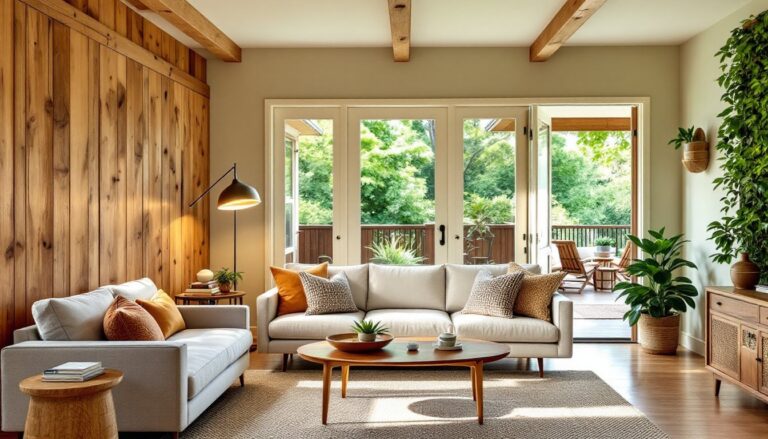
Contemporary minimalist interior design has moved beyond a niche aesthetic into a practical lifestyle choice for homeowners tired of visual clutter and excess. Unlike the cold, stark spaces that defined minimalism decades ago, today’s minimalist interiors blend intentional simplicity with warmth and livability. This approach prioritizes quality over quantity, functional beauty, and spaces that breathe. Whether you’re renovating a full home or refreshing a single room, contemporary minimalist design offers a clear framework for creating spaces that feel calm, organized, and genuinely yours. The following guide walks through how to carry out this philosophy in your own home.
Table of Contents
ToggleKey Takeaways
- Contemporary minimalist interior design balances intentional simplicity with warmth and personalization, moving away from cold, stark spaces to create livable and calm environments.
- The three core principles of minimalist design—intentionality, functionality, and restraint—require that every item serve a practical purpose or genuinely enhance your daily life.
- Decluttering is the essential first step; invest in smart storage solutions like built-in shelving, drawer dividers, and closed cabinetry to keep items organized and out of sight.
- Choose neutral base colors (warm whites, soft grays, natural beiges) for 80% of your space and reserve accent colors sparingly; prioritize natural, high-quality materials like solid wood, linen, and concrete that age beautifully over time.
- Implement minimalist principles room-by-room by anchoring living rooms with a quality neutral sofa and single statement lighting, while bedrooms emphasize clutter-free calm with simple platform beds and minimal nightstands.
- Start with one room to apply contemporary minimalist design practices honestly, and let the space breathe to achieve a home that feels more open, organized, and genuinely yours.
What Defines Contemporary Minimalist Design Today
Contemporary minimalist design differs from its predecessors by embracing warmth and personalization while maintaining clean lines and purposeful simplicity. Modern minimalism isn’t about living with nothing, it’s about living with only what serves a function or brings genuine joy. The aesthetic often includes natural materials, soft textures, and muted color palettes that create sophisticated yet livable environments.
This design philosophy emerged from a blend of Japanese minimalism, Scandinavian simplicity, and modern functionalism. Today’s version acknowledges that humans need comfort, not just efficiency. A contemporary minimalist room might feature a soft linen sofa, warm wood flooring, and carefully curated artwork, but each piece earns its place through both form and function. The difference from maximalism is stark: where others layer patterns and fill every surface, minimalist spaces breathe. Japandi Interior Design: Create your serene sanctuary by combining Japanese restraint with Scandinavian coziness, a pairing that naturally aligns with contemporary minimalist values.
Core Principles for Creating a Minimalist Interior
The foundation of any minimalist interior rests on three core principles: intentionality, functionality, and restraint. Every item in your space should either serve a practical purpose or genuinely enhance your daily life. This means asking hard questions before you buy or keep anything.
Intentionality means designing with purpose. Rather than filling rooms reactively, plan each element, from furniture placement to accent colors. Consider traffic flow, natural light, and how you actually use each space. Functionality demands that form follows purpose. A side table should be the right height for its intended use: storage should be accessible and appropriately scaled. Restraint is the discipline to stop. Resist the urge to “fill” empty wall space or add “just one more” item. Negative space, empty walls, open shelves, clear surfaces, is not wasted real estate: it’s a design feature.
Decluttering and Smart Storage Solutions
Decluttering is the essential first step, not a design afterthought. Start by removing everything that doesn’t serve you, using a honest assessment rather than sentimental obligation. This process typically takes time: don’t rush it.
Once you’ve pared down, invest in smart storage that hides clutter while remaining accessible. Built-in shelving, drawer dividers, and closed cabinetry keep items organized and out of sight. Floating shelves display only curated objects, a few books, a single plant, a meaningful piece, rather than visual chaos. Interior Design Tips: Transform your space by using vertical storage to maximize function without sacrificing floor area. Drawers with compartments for everyday items (utensils, office supplies, remote controls) prevent surfaces from accumulating junk. Label containers if it helps: organization only works if you maintain it.
Color Palettes and Materials That Define the Aesthetic
Contemporary minimalist interiors favor neutral base colors, soft whites, warm grays, soft blacks, and natural beiges, that create a calm, unified backdrop. These aren’t stark or clinical: they’re chosen for their warmth and light-reflective qualities. A warm white with subtle beige undertones feels more livable than pure white, which can feel sterile.
Accent colors are used sparingly and intentionally. A single wall in deep charcoal, a navy accent chair, or muted sage green storage can anchor a room without overwhelming it. The ratio should heavily favor neutrals: think 80% neutral base, 20% accent. MyDomaine offers excellent inspiration for understanding how professional designers layer subtle color to create interest without chaos.
Materials in contemporary minimalist design emphasize natural, high-quality options: solid wood, concrete, natural stone, linen, and leather. These materials age beautifully and often improve over time, supporting the philosophy of quality over quantity. Raw wood tones (oak, walnut, or ash) add warmth to neutral schemes. Concrete or polished concrete floors provide industrial minimalism while remaining practical for living. Matte finishes (matte paint, matte metals, brushed steel hardware) are preferred over shiny surfaces, which can feel cheap and visually busy. Avoid particle board, plastic, or trendy finishes that won’t age gracefully: your minimalist space should feel timeless, not like it’s already dated.
Room-by-Room Implementation Guide
Implementing contemporary minimalism requires adapting the philosophy to each room’s function and your household’s actual needs. There’s no single prescription: the approach shifts based on whether the space is for work, rest, or living.
Minimalist Living Rooms and Bedrooms
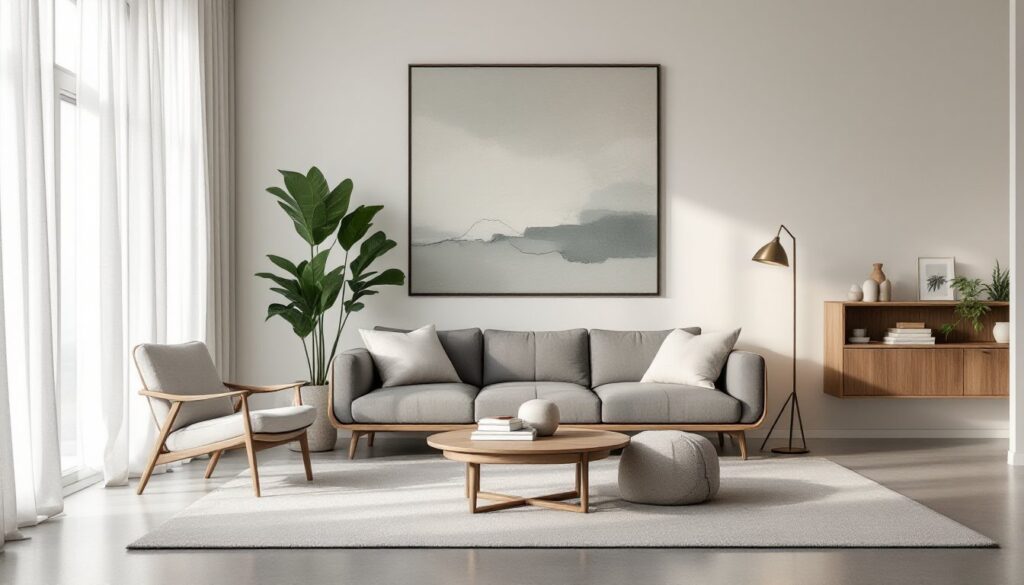
A minimalist living room prioritizes gathering and comfort without sacrificing openness. Start with a quality sofa in a neutral tone, gray linen, warm white, or soft black, as your anchor. Pair it with a single accent chair if needed, but avoid loading the room with multiple seating pieces. A low-profile wooden coffee table (preferably one with hidden storage) serves function without visual bulk. One side table per seating zone prevents surface clutter.
Window treatments should be simple: floor-to-ceiling linen curtains in white or gray, or minimal wooden blinds. Avoid patterned curtains or heavy drapes. Lighting matters tremendously: a single statement floor lamp or simple pendant fixture over seating areas works better than multiple small lamps scattered around. Artwork should be minimal and intentional, one large piece or a small gallery of 3–4 pieces maximum, all in a cohesive style.
Minimalist bedrooms emphasize rest and clutter-free calm. A simple platform bed (wood or metal frame, minimal headboard) with quality neutral bedding is the foundation. Avoid stacking decorative pillows: one or two functional pillows in natural fabrics suffice. A single nightstand per side of the bed, small and uncluttered, keeps essentials within reach. A low-profile dresser (hidden storage) replaces piles of clothes on chairs. Keep the room free from exercise equipment, work materials, or other functional items that disrupt the “rest zone.” Home Bunch showcases bedroom designs that balance minimalism with the comfort needed for quality sleep.
StorageRequires specific attention in both rooms. Closets should be organized with drawer dividers, shelf organizers, and a rotation system (seasonal storage elsewhere). Bedroom closets should feel restful, not overwhelming, this means not overstuffing every corner. Living room storage (side table drawers, built-in shelving behind a sofa, or a simple media console) keeps remotes, books, and items hidden but accessible. The rule: if someone walks into your minimalist room and immediately sees storage containers, shelving units, or organizational systems, you’ve added visual clutter instead of eliminating it. Kitchen Design Trends: Transform your space with minimalist principles too, clean cabinetry, hidden appliances, and countertops clear of small gadgets extend the philosophy into the heart of the home.
Conclusion
Contemporary minimalist interior design isn’t about deprivation or cold, uninviting spaces, it’s a deliberate choice to live with intention, quality, and calm. By focusing on core principles like functionality and restraint, selecting timeless materials, and implementing thoughtful storage, you create rooms that serve you well and age beautifully. Start with one room, apply these practices honestly, and let the space breathe. The result is a home that feels more open, organized, and genuinely yours.