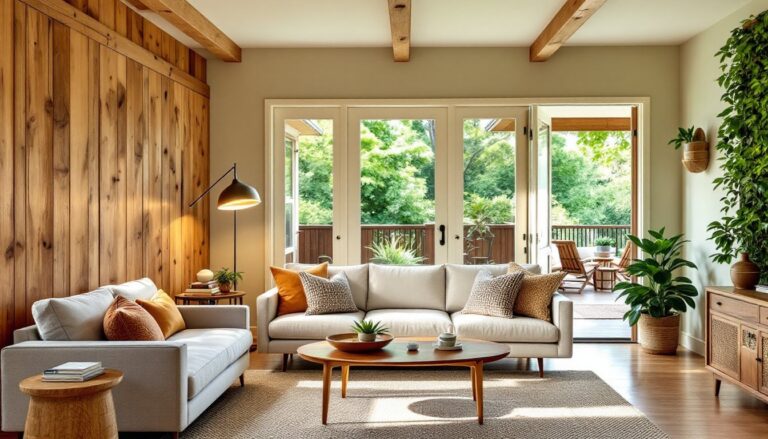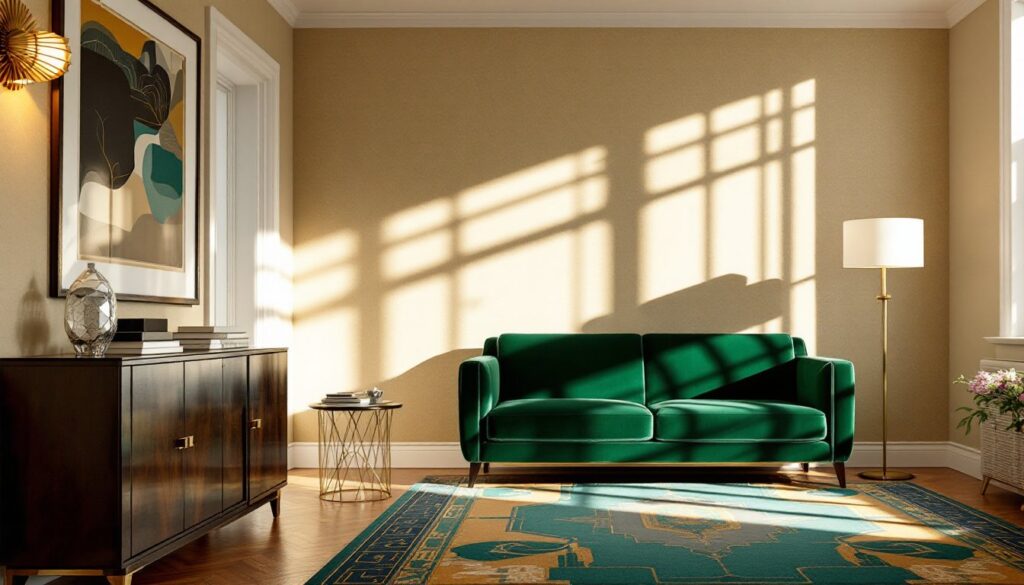
The roaring twenties weren’t just about jazz and speakeasies, they fundamentally reshaped how people thought about their homes. 1920s interior design, anchored by the bold geometry and luxurious materials of Art Deco, rejected the heavy Victoriana of previous decades and embraced a future-forward aesthetic that still captivates homeowners today. Whether you’re renovating a historic 1920s cottage or simply want to inject some period elegance into a modern space, understanding what makes this era tick helps you nail the look. The appeal isn’t nostalgia alone: it’s the design principle itself, clean lines, rich textures, and a confident use of color create rooms that feel both timeless and distinctly sophisticated. This guide walks you through the core elements, practical application strategies, and honest advice on bringing 1920s style into your home without turning it into a museum piece.
Table of Contents
ToggleKey Takeaways
- 1920s interior design thrives on geometric patterns, bold colors, and luxurious materials like polished wood, brass, and velvet that create timeless, sophisticated rooms without feeling dated.
- Art Deco principles of clean lines and material contrast make 1920s style flexible enough to blend into modern spaces rather than require complete period recreation.
- Start with a single statement piece or accent wall to anchor the aesthetic, then layer in geometric throw pillows, brass fixtures, and patterned rugs for an intentional look that feels curated rather than museum-like.
- Jewel-tone colors (emerald, sapphire, burgundy) paired with cream or black-and-white schemes, combined with geometric wallpaper and statement lighting, instantly shift a room’s energy at a fraction of major renovation costs.
- Quality materials and bold commitment to design choices matter more than quantity; a few well-chosen 1920s elements read as sophisticated design, while half-measures feel tentative.
What Defines 1920s Interior Design and Why It Endures
1920s interior design emerged during a period of tremendous cultural shift. Post-World War I optimism, mechanization, and a rejection of ornate excess set the stage for a design revolution. Art Deco, the defining style of the era, celebrated modernity through geometric forms, linear patterns, and the marriage of function with glamour. Unlike the fussy, flower-filled rooms of the 1800s, 1920s interiors whispered confidence. They said: “We’re forward-thinking. We value efficiency. And we’re not afraid of bold color and material contrast.”
Why does it endure? Because the bones of Art Deco design are fundamentally sound. Geometric patterns don’t age the way floral wallpaper does. Rich wood finishes, brass fixtures, and black lacquer surfaces develop patina and charm rather than looking dated. The style also works because it’s flexible, you can go full immersion or blend 1920s elements into an otherwise modern or eclectic room. Art Deco Interior Design is the visual cousin of 1920s style, and both thrive because they respect the space, the materials, and the people inhabiting it. There’s dignity in the design. Homeowners don’t just fill rooms with 1920s pieces: they curate them, understanding that restraint and proportion matter more than quantity.
Key Design Elements and Color Palettes of the Roaring Twenties
Geometric Patterns and Bold Shapes
Geometric forms are the signature fingerprint of 1920s design. Sunburst motifs, chevron stripes, stepped patterns, and symmetrical linear designs appear everywhere, in wallpaper, floor tilework, fabric, and even plasterwork. These aren’t random choices: they reflect the era’s fascination with machinery, speed, and precision. A sunburst pattern feels dynamic and optimistic. A chevron stripe draws the eye upward, making a room feel taller and more refined.
When incorporating geometry, think about placement and scale. A single accent wall with a dramatic pattern (think tall, slender chevrons in black and cream) anchors a room without overwhelming it. Geometric throw pillows, a runner rug with a stepped pattern, or a fireplace surround with linear tile work all introduce the aesthetic in digestible doses. Interior Design Styles span many eras, but 1920s geometry is instantly recognizable and pairs well with solid, neutral walls elsewhere in the room.
Materials and Finishes That Define the Era
The 1920s celebrated materials that gleamed, contrasted, and showed off their own character. Expect dark, highly polished wood, walnut, macassar ebony, and rosewood were premium choices. Brass and chrome fixtures and trims catch light and add warmth against darker woods. Black lacquer surfaces (inspired by Asian design trends reaching the West) provided a sophisticated, almost jewel-box quality to cabinetry and accent pieces.
Textiles matter hugely. Velvet, silk, and linen with geometric weaves and bold, jewel-tone dyes replaced floppy florals. Leather upholstery was (and remains) a sign of luxury. For flooring, the era embraced parquet in geometric patterns, black-and-white tile work, and rich area rugs with bold designs. Consider the practical reality: these materials age beautifully but require maintenance. Polished wood needs regular buffing. Brass tarnishes intentionally (patina is period-correct). Interior Design Tips remind us that durability and material quality matter when building a cohesive room.
Color palettes ranged from jewel tones (emerald, sapphire, deep burgundy) paired with cream or ivory, to black-and-white schemes with pops of metallic gold or silver. Coral, teal, and mustard also appear in period examples. The key: colors were bold and intentional, not tentative. A 1920s living room didn’t whisper: it spoke with conviction. If you’re nervous about committing to a jewel-tone wall, start with upholstery or accent furniture in these shades and see how they feel in your light.
Practical Tips for Incorporating 1920s Style Into Modern Spaces
Start with one statement piece before reimagining an entire room. A 1920s-inspired sofa, credenza, or bookcase anchors the aesthetic and gives you a reference point for color, material, and pattern. Original 1920s furniture is available through estate sales, antique shops, and online marketplaces, though quality varies and prices reflect rarity. Good reproduction pieces from reputable furniture makers offer period accuracy without the premium price tag or uncertainty of condition.
Layering is your friend. A room doesn’t need to be entirely 1920s to feel authentically rooted in the era. Pair a neutral modern sofa with one geometric accent pillow, add a brass floor lamp, hang a piece of Art Deco-inspired wall art, and anchor the space with a patterned area rug. This restraint actually reads more sophisticated than wall-to-wall period reproduction, which can feel like a theater set. The modern viewers on home improvement platforms respect subtlety and intention.
Wallpaper and paint are fast, reversible investments. A feature wall in a geometric pattern or a rich jewel tone instantly shifts the room’s energy. Historically accurate 1920s-inspired wallpaper is widely available now, companies like Cole & Son and Marthe Armitage reproduce period patterns. For paint, a deep emerald, navy, or burgundy creates drama and pairs well with simple white or cream trim. Test paint colors in your actual light before committing: a shade that looks moody in the store might feel cave-like at home.
Lighting design deserves its own paragraph. The 1920s loved geometric brass or chrome fixtures, often with frosted glass shades. A sunburst or stepped pattern in a wall sconce, or a chandelier with linear geometry, elevates a room instantly. Table lamps with tall, tapered shades and brass bases add warmth. Floor lamps with arc designs or tripod bases work too. Modern lighting manufacturers offer convincing reproductions, and original pieces are found in the same antique channels mentioned above.
Floor treatments impact the whole room. If hardwood floors are in the budget, consider a geometric parquet pattern or simply refinishing existing floors to a high gloss, very period-appropriate. Area rugs with bold patterns ground the seating area and protect refinished wood. Turkish, Persian, and Art Deco-inspired rugs in jewel tones and geometric designs are both historically plausible and readily sourced today. Avoid wall-to-wall carpet if you’re after authenticity: the era preferred large, statement rugs on polished wood or tile.
When working with existing architecture, work with what you have. If you’re renovating a 1920s cottage, fixing up period details might mean restoring original plaster crown molding, restoring hardware, or uncovering original woodwork beneath layers of paint. Crown molding, baseboards, and door frames in the 1920s were often substantial and geometric, a simple, stepped profile rather than the curled, heavily carved styles of earlier decades. Respect this language when making restoration choices.
Budget constraints are real. Start small: swap out cabinet hardware for brass knobs and pulls (under $5 each, huge visual impact). Add a few geometric throw pillows ($20–60). Frame an Art Deco print ($30–100 framed). Paint an accent wall ($50–150 in materials). A good area rug is a bigger investment ($300–1,000+), but it anchors the look and grounds the whole space. Interior Design Archives showcase projects at every price point, the principle is the same across budgets: choose quality over quantity, favor bold geometric or material contrast over neutral excess, and commit fully to the elements you do introduce. Half-measures feel tentative. Full commitment, even on a budget, reads as intentional design.
Conclusion
1920s interior design isn’t about recreating a museum or abandoning comfort for historical purity. It’s about borrowing a design language that values boldness, material quality, and geometric clarity, principles that feel modern precisely because they’re rooted in honest, confident design. Whether you live in a 1920s home or a contemporary space, the era’s vocabulary, jewel tones, geometric patterns, polished woods, brass fixtures, translates beautifully. Start with one element, let it guide you, and trust your instincts. The roaring twenties succeeded because they rejected timidity. Your 1920s-inspired space will too.