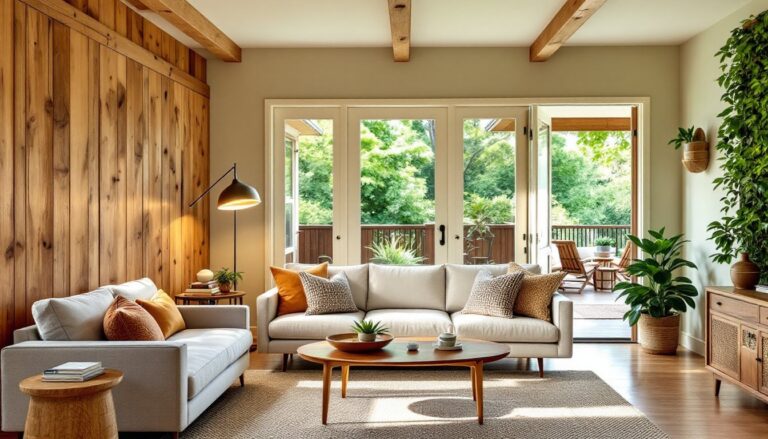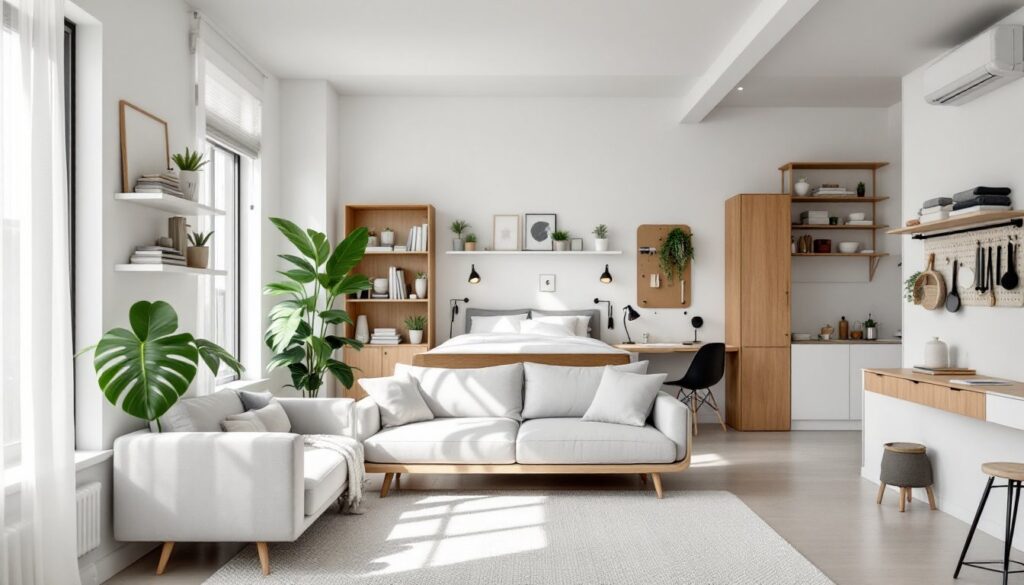
Living in a New York City small apartment doesn’t mean sacrificing style or comfort. With limited square footage, many NYC units clock in at 400–600 square feet, every design choice counts. The key to mastering small apartment interior design is working smarter, not harder. You can transform a cramped studio or one-bedroom into a functional, visually appealing home by using strategic design moves that open up the space, reduce visual clutter, and make the most of every inch. This guide walks you through practical, battle-tested strategies that New Yorkers are using in 2026 to reclaim their space and make small apartments feel larger, airier, and genuinely livable.
Table of Contents
ToggleKey Takeaways
- Vertical storage solutions, from floor-to-ceiling shelving to wall-mounted shelves, maximize limited floor space and create the illusion of height in NYC small apartments.
- Multi-functional furniture pieces like storage ottomans, nesting tables, and murphy beds solve multiple problems at once, making every square foot count.
- Strategic lighting, mirror placement, and a light color palette are your cheapest tools for making small apartments feel larger and airier.
- Define distinct zones using area rugs, furniture placement, and semi-transparent dividers instead of walls to maintain openness in open-plan layouts.
- Ruthless decluttering and organized storage systems reduce visual chaos by 30–50%, making your small apartment genuinely feel more spacious and livable.
Embrace Vertical Storage Solutions
When your floor space is measured in feet, walls become your best friend. Vertical storage isn’t a trendy add-on, it’s essential furniture strategy. Install floor-to-ceiling shelving in your living room or bedroom to pull your eye upward and create the illusion of height. Wall-mounted shelves, cubbies, and open storage transform blank vertical real estate into functional display and storage zones without eating into your footprint.
Consider tall, narrow bookcases and cabinets that stack upward rather than sprawl. A 7-foot-tall narrow dresser takes up far less floor space than a long, low one. Floating shelves above a desk or sofa add storage without legs that consume floor area. For the kitchen or bathroom, corner shelving units maximize otherwise wasted space. Install hooks at varied heights on walls for coats, bags, and frequently used items.
The practical payoff: Every item has a designated vertical home, so visual clutter drops immediately. Plus, vertical storage naturally encourages you to cull items you don’t actually use. Wall-mounted solutions also work in rental apartments since many are non-permanent (use command strips or adhesive-backing where drilling isn’t allowed).
Choose Multi-Functional Furniture Pieces
In small apartments, furniture must earn its place. A sofa that’s just a sofa is taking up valuable real estate. Instead, choose pieces that do double or triple duty.
Storage ottomans hide blankets, magazines, or seasonal items while serving as a footrest or extra seating. Nesting tables stack away but expand when you need surface space. A bed with built-in drawers underneath (captain’s-style frame) stores linens, clothing, or off-season gear without visible bulk. Wall-mounted desks fold up when not in use. Murphy beds free up an entire room during the day.
For dining, a wall-mounted drop-leaf table or a console table that transforms into a full dining surface works where a traditional dining table would monopolize the room. Modular seating lets you reconfigure as your needs shift. Sleeper sofas combine seating and guest sleeping in one footprint.
The key: Avoid single-purpose furniture. Every piece should solve at least two problems, storage and seating, or work surface and display area. This approach forces intentional curation: you’ll naturally keep only what genuinely fits your lifestyle, which compounds the space-saving effect.
Optimize Natural Light and Color Palettes
Light is your cheapest, most effective spatial tool. Maximize natural light by keeping windows clear of heavy drapes or dark curtains. Use sheer or light-filtering roller shades that let diffused light in while maintaining privacy. Hang curtains from ceiling to floor and position the rod as high as possible, this draws the eye upward and makes ceilings feel taller.
For artificial lighting, layer three types: ambient (overhead fixtures), task (desk lamps, under-cabinet), and accent (wall sconces). Multiple light sources create depth and prevent the cave-like feeling of relying on one overhead. Place mirrors strategically opposite windows to bounce and amplify natural light throughout the space.
Color strategy matters enormously. Lighter colors, soft whites, warm creams, pale grays, reflect light and expand the visual boundary of a room. A monochromatic or tonal color scheme (varying shades of one color family) creates continuity and prevents the space from feeling choppy. That said, a single accent color or wall adds personality without overwhelming. Matte finishes are gentler than gloss in small spaces: semi-gloss trim catches light and can feel more open.
Paint is also a way to redefine or enlarge perceived space. A lighter wall color in a narrow hallway makes it feel wider: a slightly deeper tone on just the far wall creates depth. Avoid overly busy patterns on all walls: one accent wall with pattern works, but an entire room papered in florals shrinks it visually.
Define Zones Without Walls
Most small apartments can’t afford the square footage that traditional rooms demand. Open-plan living is often the only option. The trick is creating distinct zones, a bedroom nook, work area, lounging space, without closing them off or making the space feel segmented.
Use Area Rugs and Furniture Placement
An area rug anchors a zone and signals to your brain that a distinct space exists. Place your sofa on one rug and your dining area on another: the visual separation is immediate and powerful. Rugs also soften bare floors and make the space feel warmer. Keep rug colors coordinated with your overall palette to maintain flow.
Furniture arrangement creates natural boundaries. Position a console table or low bookcase behind a sofa to separate the living zone from a sleeping or working area. A tall plant or folding screen can delineate zones without blocking sightlines. The key is that dividers should be open or semi-transparent (not solid walls) so light and sight lines still travel through the space, preserving the sense of openness.
Layout matters too. Angle furniture slightly rather than pushing everything flat against walls, this creates visual interest and often makes the room feel larger because you’re not just looking down a narrow corridor of furniture.
When furnishing an open concept, Scandinavian Interior Design: Transform principles work beautifully: clean lines, minimal ornamentation, and functional simplicity prevent clutter from fragmenting the visual continuity. The open-plan layout also pairs well with Interior Design Tips: Transform that emphasize intentional placement and negative space.
Declutter and Organize Strategically
Every item in a small apartment either adds value or steals space. Ruthless curation is not optional, it’s the foundation of workable small-space design. This doesn’t mean living ascetically: it means owning what you actually use and love.
Start by auditing everything. Old clothes, gadgets, books, decor, if it doesn’t serve a function or bring you joy, it goes. The goal is to reduce visible items by 30–50%. Fewer things means less clutter, lower visual chaos, and a genuinely open feel.
Organization systems keep the space functional day-to-day. Use drawer dividers, shelf risers, and labeled bins so everything has a home and is easy to locate. Clear storage containers let you see contents at a glance without opening each one. Vertical filing or a document organizer keeps papers from piling up. In the kitchen, a utensil caddy, pegboard, or wall-mounted magnetic strip keeps tools visible and accessible.
For items you keep but rarely display, use closed storage (cabinets, closed shelving, bins under the bed). For everyday-use and decorative items, open storage works because you’ll naturally keep it neat. Rotate seasonal decor in and out rather than keeping it all on display year-round.
The payoff isn’t just visual: a decluttered space genuinely feels larger, is easier to clean, and reduces decision fatigue. Many New Yorkers find that downsizing their possessions was as important as any design move. Interior designers often recommend Modern Interior Design: Transform which emphasizes functionality and restraint, a natural fit for small NYC living. Kitchen storage is especially tight in NYC units: explore how Small Kitchens: Creative Solutions handle similar constraints. Budget-friendly makeover ideas also appear on Addicted 2 Decorating, which features practical room transformations on a shoestring.
Conclusion
Designing a small NYC apartment is less about having more space and more about using what you have with intention. Vertical storage, multi-functional furniture, smart lighting, zone definition, and ruthless decluttering transform even the tightest quarters into a home that feels spacious and livable. These aren’t trends that will fade, they’re proven tactics that work year after year. Start with one or two strategies, then layer in others as you develop the small-space mindset. Your apartment will reward you with both function and style.