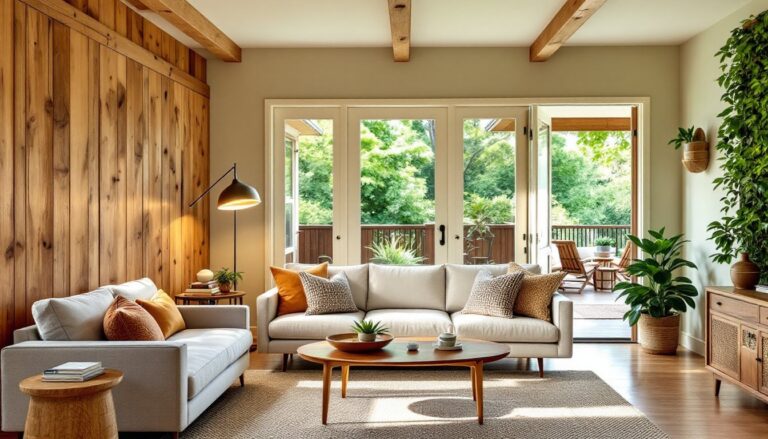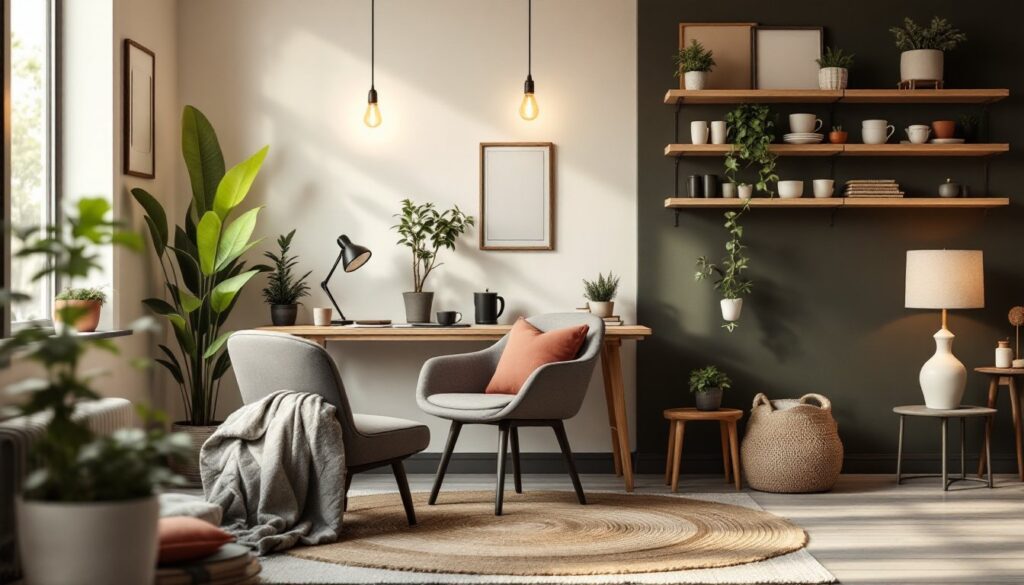
The appeal of a neighborhood coffee shop isn’t just about the brew, it’s the atmosphere. Warm lighting, comfortable seating, and a welcoming ambiance draw people back day after day. Recreating that experience at home transforms a corner of your space into a personal retreat. A cozy coffee shop interior design brings together thoughtful lighting, inviting color palettes, comfortable furniture, and smart layout choices. This guide walks through the essential elements and practical DIY strategies to build your own coffee shop experience without leaving home.
Table of Contents
ToggleKey Takeaways
- Cozy coffee shop interior design balances functionality with comfort by layering warm lighting, earthy color palettes, and mixed furniture to create a space where productivity and relaxation coexist.
- Warm white LED bulbs (2700K), dimmer switches, and accent lighting at varying heights are essential to recreate the layered ambiance that makes coffee shops inviting.
- A neutral base wall color combined with one deeper accent color and warm textiles transforms any space without expensive renovations or professional design help.
- Mixed seating types, open shelving, and thoughtful organization around a central coffee station or work surface mimic café layouts and encourage both lingering and productivity.
- Personal touches like framed photos, favorite mugs, and beloved books make your coffee shop interior design feel intentional and reflective of your lifestyle, not a copied café replica.
- Start with what you have by rearranging existing furniture and textiles, then upgrade lighting and paint to achieve professional-looking results on a realistic budget.
Why Cozy Coffee Shop Design Works for Home Spaces
Coffee shop design has proven appeal because it balances functionality with comfort. People linger in coffee shops, they work, meet friends, read, and relax. That duality translates perfectly to home spaces, whether you’re designing a dedicated coffee bar, a reading nook, or a workspace that doubles as a retreat.
Cozy coffee shop aesthetics solve a real problem: creating a zone where productivity and relaxation coexist. Unlike a formal office or a pure entertainment space, a coffee shop vibe encourages people to slow down while staying engaged. When applied to a home corner, bedroom, or living area, this design approach makes the space feel intentional and welcoming. It’s not about pretending you own a café: it’s about borrowing the proven design principles that make cafés work, and applying them to your own lifestyle.
The best part? Coffee shop design is inherently forgiving. It doesn’t demand luxury finishes, pristine minimalism, or trendy maximalism. Instead, it embraces worn wooden tables, mismatched seating, natural light, and honest materials. That means you can build this look on a realistic budget using items you already own, thrifted finds, and thoughtful DIY touches.
Essential Elements of Coffee Shop Aesthetics
Warm Lighting and Ambiance
Lighting is the single most important element of coffee shop design. Bright fluorescent light or harsh overhead fixtures destroy the vibe instantly. Instead, coffee shops layer multiple light sources: overhead ambient light, task lighting over work surfaces, and accent lighting that highlights textures and corners.
Start by softening your overhead lighting. Replace standard bulbs with warm white (2700K) LED bulbs, this color temperature mimics the soft glow of incandescent bulbs without the heat or energy waste. If you have dimmer switches, install them on existing fixtures to control brightness throughout the day. For task lighting, add pendant lights or track lighting over a desk, counter, or reading area. These focus light where people actually need it and contribute to the layered effect.
Accent lighting creates atmosphere. Table lamps with fabric shades, string lights, or Edison-style bulbs in simple fixtures add warmth without overwhelming a space. Candles (real or flameless) reinforce the cozy factor and cost nothing. Position lights at varying heights, ceiling fixtures, table lamps, and floor lamps, so the eye travels and the space feels dimensionally interesting.
Color Palettes That Inspire Comfort
Successful coffee shop interiors stick to warm, earthy color schemes. Think warm whites, creams, soft browns, muted greens, and terracotta tones. These colors feel approachable and timeless, they don’t fight for attention or date quickly.
Your base palette should include one neutral for walls (warm white or soft greige), one deeper accent color for feature walls or larger furniture pieces (chocolate brown, deep sage, or warm gray), and one or two lighter accent colors for textiles and smaller décor items. Avoid cool grays or stark whites, they work against the cozy goal. Japandi Interior Design emphasizes, making it a neighboring aesthetic worth exploring.
Paint is the quickest way to shift a room’s mood. A single accent wall in a deeper, warmer tone (especially behind seating areas) creates visual interest and grounds the space. If painting feels ambitious, removable wallpaper or wall decals offer a less permanent option. For renters or cautious homeowners, layering textiles, throw pillows, blankets, and rugs in warm, complementary hues, achieves a similar warmth without any wall changes.
Furniture and Layout Strategies
Coffee shop layouts prioritize comfort and flow. Furniture doesn’t need to match or be new. A mix of seating types, wooden chairs, upholstered armchairs, a small sofa, stools, mirrors real café environments and invites different activities.
Start with one anchor piece: a small table or counter that becomes your coffee station or work surface. This doesn’t need to be fancy. A basic wooden desk, a vintage kitchen table, or even a sturdy console works. Position it near a window if possible, natural light matters. Around this centerpiece, arrange secondary seating: a comfortable chair for reading, a stool for occasional use, or a small bench. Space should feel open enough to move through, not cramped.
Materials matter. Wood, metal, leather, and natural textiles feel at home in coffee shop design. Upholstered pieces in warm fabrics (linen, wool blends) are more inviting than sleek plastic or chrome. If you’re shopping for pieces, thrift stores, estate sales, and online resale platforms often have solid wood furniture and vintage seating at reasonable prices. Farmhouse kitchens employ similar layering of textures and materials, creating that same sense of gathered comfort.
Display and storage complete the picture. Open shelving with neatly stacked mugs, coffee equipment, and a few plants (real or quality faux) adds visual interest and utility. A small bar cart or side table for cups, stirrers, and extras keeps essentials accessible. Books, small framed prints, and personal items on shelves break up blank surfaces without clutter. The goal is organized, curated, not chaotic or minimalist.
Practical DIY Tips for Implementation
Building a cozy coffee space doesn’t require hiring a designer or spending thousands. Here are actionable steps:
Start with what you have. Audit your existing furniture, textiles, and décor. Rearrange pieces before buying anything new. A chair moved to a corner near a lamp and table becomes a reading spot. Neutral throw pillows and blankets transform any seating into something cozier. Paint or refinish an old table if it doesn’t fit your color palette, this is simple, satisfying DIY work.
Install new lighting carefully. Pendant lights or track lighting require running electrical wire and possibly cutting into drywall or ceilings, this may need a licensed electrician depending on your local building codes. Check with your jurisdiction. Simpler alternatives: plug-in pendant lights (if your ceiling can accommodate them), floor lamps, table lamps, and string lights. These give professional results without electrical work.
Paint walls thoughtfully. Warm white or soft greige for the base: a deeper accent color for one wall. Prep is everything: clean walls, patch holes, prime if needed. Use quality paint, cheaper paint requires more coats. If painting, wear safety glasses and a dust mask during prep, and ensure good ventilation. Modern Interior Design explores color and finish choices in detail, offering strategies beyond coffee shop aesthetics.
Add textiles strategically. Rugs anchor seating areas and add warmth underfoot. A rug doesn’t need to be expensive: quality synthetic rugs mimic natural fibers at lower cost. Throw blankets, cushions, and curtains in warm, coordinated colors layer comfort and visual interest. Look for natural fabrics where they matter (seating, pillows) and save on synthetic options for less-touched items.
Bring in plants and natural elements. Live plants require care, so know what you’ll commit to. Low-light tolerant plants (pothos, snake plants) work in dim corners. Ferns and monstera add larger visual impact. If live plants feel risky, quality faux plants (available from mainstream retailers) are indistinguishable at a distance. Group plants in odd numbers and at varying heights. Wood elements, shelving, frames, or a simple cutting board displayed on a shelf, echo café interiors. Stone, ceramic, or concrete accents (coasters, pots) add texture.
Organize your coffee station. Whether it’s a full espresso setup or a simple pour-over corner, organization is key. A small shelf or cabinet holds beans, filters, cups, and equipment. Label containers. Keep it clean and intentional, cluttered coffee stations feel chaotic, not cozy. Consider Interior Design Tips for creating functional, attractive display spaces in your home.
Incorporate personal touches. Framed photos, artwork, handwritten quotes, or a small chalkboard menu make the space feel like yours. This isn’t a replica café: it’s your personal refuge inspired by café design. One or two gallery-wall pieces, a favorite mug collection, or a stack of beloved books tell your story.
Conclusion
A cozy coffee shop interior design brings warmth, functionality, and personality into your home. By layering warm lighting, choosing earthy colors, arranging comfortable furniture thoughtfully, and adding personal touches, you create a space that genuinely invites lingering. The beauty of this approach is its accessibility, you don’t need expensive renovations or professional help. Start with lighting and paint, add or rearrange furniture, and layer in textiles and plants. Your home coffee shop will evolve naturally, reflecting your taste and lifestyle. The result is a retreat that works as hard as you do, every single day.