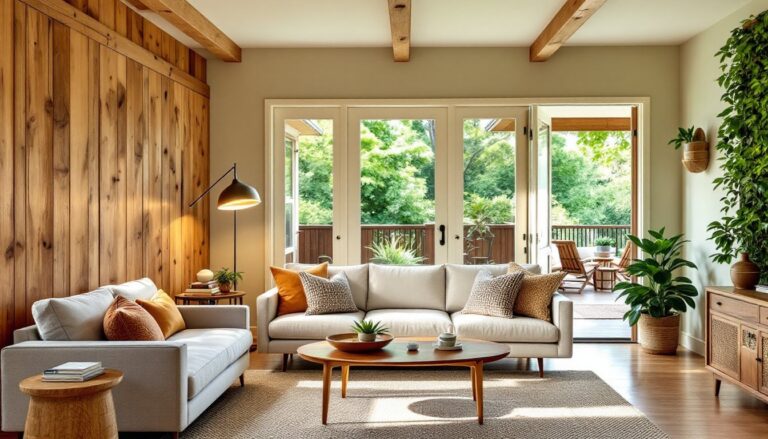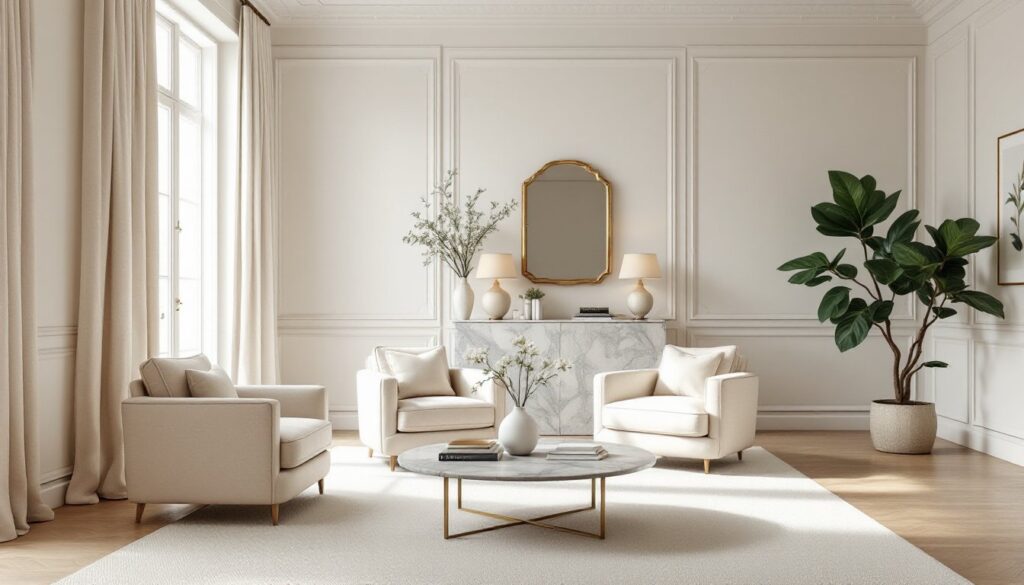
Parisian chic interior design has captivated homeowners for decades, and for good reason. It’s the antithesis of fussy maximalism: effortless, refined, and built on principles that feel as relevant in 2026 as they were in 1920s Paris. The style celebrates the art of “less is more,” blending understated elegance with lived-in comfort. Whether you’re renovating a single room or overhauling your entire home, understanding the bones of Parisian chic means you can adapt it to your space without feeling like you’re copying a museum exhibit. This guide walks you through the core elements, color, furniture, lighting, and accessories, so you can layer Parisian sophistication into your home in practical, achievable ways.
Table of Contents
ToggleKey Takeaways
- Parisian chic interior design prioritizes restraint and authenticity by mixing antique or vintage furniture with modern elements for an intentional yet effortless look.
- Build your foundation with muted neutral colors like soft whites, warm creams, and pale grays, then layer in deep accent tones like charcoal, forest green, or muted terracotta.
- Invest in quality, timeless furniture pieces with straight lines and classical proportions rather than trend-driven options that won’t develop character over time.
- Layer your lighting with table lamps, floor lamps, and wall sconces in brass or bronze finishes to create depth and warmth without relying on overhead fixtures alone.
- Edit accessories ruthlessly—a single sculptural object, stack of art books, or fresh flowers carries more visual weight than cluttered shelves in authentic Parisian interiors.
- Achieve this sophisticated aesthetic without expensive renovations by starting with a neutral foundation, trusting empty space, and building slowly with pieces you genuinely love.
What Defines Parisian Chic Style
Parisian chic isn’t one rigid aesthetic: it’s a design philosophy rooted in restraint and authenticity. The style emerged from the way Parisians actually live, prioritizing function, investing in quality pieces, and resisting the urge to overcrowd a room with decorative trinkets.
At its core, Parisian chic values antique or vintage furniture mixed seamlessly with modern elements. A nineteenth-century gilt mirror hangs above a contemporary console. A mid-century modern credenza sits beside a 1920s dining chair. The mix feels intentional but casual, as though pieces were gathered over time rather than purchased in a single shopping trip.
The look also emphasizes hardwood floors, often left partially bare or layered with small, strategic rugs, architectural details like crown molding and tall ceilings, and an almost spartan approach to wall decoration. Where an American home might feature gallery walls or shelving units bursting with décor, a Parisian interior features perhaps one carefully chosen artwork or a sculptural object on a side table. Texture comes from materials themselves: marble, brass, linen, and weathered wood create visual interest without clutter.
Authenticity matters here. Parisian chic celebrates signs of age and use, a slightly worn leather sofa, patina on brass fixtures, or paint that’s soft rather than pristine. The style welcomes imperfection as proof that the space is lived in, not staged. When you’re approaching DIY projects in this style, don’t aim for flawless: aim for honest.
Essential Color Palettes For A French-Inspired Interior
The Parisian chic color story is deliberately muted and sophisticated. The foundation is almost always a neutral base: soft whites, warm creams, pale grays, or soft beiges that feel like the bones of the space.
Classic Parisian neutrals include off-white (not bright white), warm taupe, greige (gray-beige), and soft stone tones. These backgrounds allow accent colors and materials to breathe. When you choose a base paint color, test samples on your walls and observe them at different times of day: North-facing walls will read cooler, while South-facing walls enhance warmth.
Accent colors arrive in deep, muted tones: charcoal, forest green, dusty navy, muted terracotta, or soft gold. These aren’t bright or saturated, think “aged” rather than “vibrant.” A single accent wall in a soft teal or soft sage works beautifully, or you might use accent colors in smaller doses: a velvet armchair in deep plum, throw pillows in muted gold, or a small bookshelf painted in charcoal.
Black appears frequently in Parisian interiors, but it’s usually employed as a strong accent, wrought-iron window frames, black-painted doors, or dark wooden furniture, not as a dominant wall color. White woodwork and molding contrast beautifully against darker walls and create the architectural definition that Parisian spaces rely on.
When selecting paint, opt for finishes with subtle depth. Flat or matte finishes feel more sophisticated and vintage-appropriate than high-gloss, though bathrooms and kitchens benefit from satin or semi-gloss for durability. Consider that a sophisticated interior palette allows accent colors and materials to work harmoniously without overwhelming the space.
Key Furniture And Layout Principles
Parisian interiors favor furniture that prioritizes form and function over decoration. Pieces tend toward straight lines and classical proportions, think Bergère chairs with wooden frames and linen upholstery, tufted sofas, and simple tables with tapered legs.
Layout strategy focuses on creating zones rather than pushing everything against walls. In a living room, angle a sofa and pair of chairs to face each other or toward a fireplace, leaving negative space in the center of the room. This approach makes rooms feel larger and encourages conversation. Avoid the temptation to fill every corner: empty floor space is a luxury in Parisian design.
Invest in quality, timeless pieces rather than trend-driven furniture. A well-made linen sofa in cream or warm gray will outlast fast-furniture alternatives and develop character over time. Look for solid wood frames (not particleboard), eight-way hand-tied springs in seating, and natural upholstery fabrics like linen, cotton, or wool. Vintage or antique pieces work beautifully and often cost less than new “designer” reproductions.
Key furniture types in a Parisian interior include:
• Seating: Bergère chairs, club chairs, or settees in neutral fabrics with wooden frames
• Tables: Marble-topped side tables, simple wooden dining tables with tapered legs, marble console tables
• Storage: Glass-front cabinets, low credenzas, or tall shelving units in natural wood
• Beds: Simple wooden frames (often painted white or left natural), dressed in white or cream linens
Measurement and proportion matter enormously. Before purchasing or moving furniture, measure your room’s dimensions and sketch a simple floor plan. Oversized furniture in a small room feels cramped: undersized pieces in a large room look lost. A sofa should float in the room (not pushed against a wall), and nightstands should align roughly with mattress height for proportion. Functional layouts prevent the cluttered, staged feeling that kills authentic Parisian chic.
Lighting, Mirrors, And Accessories That Define The Look
Lighting in Parisian interiors is layered and warm. Avoid overhead ceiling fixtures alone: instead, combine table lamps, floor lamps, and wall sconces to create depth and flexibility. Look for brass, bronze, or wrought-iron fixtures with soft fabric shades in cream or beige, these materials and colors feel authentic to the aesthetic.
Mirrors serve both practical and design purposes. A large floor-to-ceiling mirror, often with an ornate gilt or wooden frame, reflects light and makes rooms feel larger. Place mirrors opposite windows or light sources to amplify natural light. Smaller decorative mirrors in varied frames work beautifully on shelves or hung on walls at different heights.
Accessories in Parisian spaces are edited and intentional. A single sculptural object on a console, a stack of art books on a coffee table, or a vase of fresh flowers carries more weight than a cluttered shelf. Select pieces that genuinely interest you, an antique clock, a piece of pottery, a framed botanical print, rather than “décor” purchased specifically to fill space.
Textiles add warmth without visual chaos. Throw blankets in cream or muted colors draped over a sofa, linen curtains in off-white or soft gray that filter light beautifully, and smaller throw pillows in solid tones or subtle patterns keep the feel calm and collected. Avoid loud prints or busy patterns: if you introduce pattern, make it a small-scale damask, stripes, or subtle florals in muted tones.
Green plants bring life and freshness. A tall fiddle-leaf fig in a corner, potted topiaries on a console, or fresh flowers in a simple glass or ceramic vase feel quintessentially Parisian. Change flowers weekly and keep planters simple, white ceramic, clear glass, or neutral pottery work best. Consider that interior design styles often emphasize the importance of natural elements and visual breathing room, principles that align perfectly with Parisian restraint.
Bringing It All Together In Different Rooms
Living Spaces And Bedrooms
In living rooms, start with your neutral paint base and allow architecture to show. If you have crown molding, leave it white or cream: this detailing is integral to the style. Arrange seating to encourage conversation: a sofa and two chairs facing each other, or an L-shaped sectional with a chair across from it. Hardwood floors should be visible (skip wall-to-wall carpet), with perhaps a small runner rug or area rug anchoring the seating zone. Layer lighting: a table lamp on each side table, a floor lamp in a corner, and wall sconces flanking a mirror or artwork. Minimize accessories, a coffee table with a stack of art books, a single large-scale mirror, and a console table with a few carefully chosen objects. Add greenery via potted plants, and soft window treatments (linen curtains, Roman shades in cream) that frame windows without heavy fabric.
Bedrooms should feel restful and intentional. Paint walls in a soft neutral, cream, warm white, or pale gray, and keep furniture minimal: a simple wooden bed frame (often painted white), two matching nightstands with warm brass or wood handles, and perhaps a small dresser. Invest in high-quality linens in white, cream, or soft gray: bedding is visible and tactile, so this investment pays dividends. A single piece of wall art above the bed or a large-scale mirror beside it provides visual interest without clutter. One or two throw pillows in solid colors or subtle patterns add softness. Lighting should feel warm and adjustable: bedside table lamps with cream shades and a dimmer switch or smart bulbs allow you to adjust mood. Keep the floor relatively bare except for a small rug beside the bed. Curtains in linen or cotton offer privacy and temperature control. The goal is a space that feels serene and spa-like, not cluttered or stimulating.
For practical implementation, consider consulting Parisian interior design ideas for specific room-by-room inspiration. You might also explore luxury home features and paint colors to see contemporary examples of neutral palettes and sophisticated layouts in action. These references show how the timeless principles translate across different home types and modern contexts.
Conclusion
Bringing Parisian chic into your home doesn’t require a complete renovation or a six-figure budget. It’s about embracing restraint, investing in quality basics, and trusting that empty space and carefully chosen details create elegance. Start with a neutral foundation, layer your lighting thoughtfully, and edit your accessories ruthlessly. Build slowly, add pieces you truly love over time rather than furnishing all at once. The result will be a home that feels lived-in, intentional, and timelessly sophisticated.