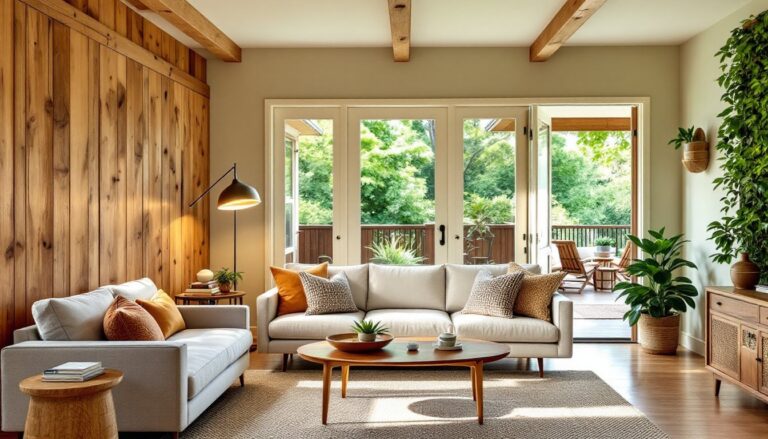
Whether you’re eager to refresh your living room or dreaming of a career in interior design, a free interior design course online is an excellent starting point. The barriers to learning design have crumbled in recent years, no expensive design schools or steep tuition required. Today’s homeowners and hobbyists can access professional-level instruction from platforms ranging from YouTube to prestigious universities offering open-access courses. This guide walks you through the best free options available in 2026, what you’ll actually learn, and how to pick a course that matches your goals.
Table of Contents
ToggleKey Takeaways
- Free interior design courses online from platforms like Coursera, edX, and YouTube eliminate financial barriers while offering the same professional-level instruction as costly design schools.
- Core design fundamentals covered in most free courses include color theory, spatial planning, lighting design, and material knowledge—all directly applicable to improving your own space.
- Define your specific goal before selecting a free interior design course, whether you’re designing your home, testing a career path, or building confidence, to ensure the format and structure match your needs.
- Consistency and immediate application matter more than course completion speed; keeping a design journal, sketching layouts, and applying concepts while learning transforms knowledge into usable skills.
- Joining online communities and documenting your completed projects builds accountability, peer feedback, and a portfolio foundation—essential whether you pursue design professionally or as a hobby.
Why Take A Free Interior Design Course Online
Learning interior design remotely offers flexibility that in-person classes simply can’t match. You work at your own pace, pause videos to sketch ideas, and fit lessons around your schedule, whether that’s between work shifts or during weekend mornings. Free courses eliminate the financial risk of exploration: you’re not gambling thousands of dollars on a hunch.
Beyond convenience, online learning democratizes access. Someone in a rural area with no design schools nearby has the same opportunities as someone in a major city. You can also cherry-pick specific skills, maybe you only want to master color theory or learn about sustainable materials, without paying for a full curriculum you won’t use.
There’s a professional angle too. If you’re considering a career shift into interior design, these courses provide a low-stakes way to test your aptitude and build a portfolio. Many professionals use free resources to stay current with trends and new software. Even if design remains a hobby, the skills transfer directly: better spatial planning, smarter material choices, and confidence in your aesthetic decisions.
Top Platforms Offering Free Interior Design Courses
Coursera and edX Free Options
Coursera and edX host university-backed courses from institutions like Penn State, UC San Diego, and the Illinois Institute of Technology, many available for free audit. These aren’t watered-down versions, you’re watching the same lectures as paying students, though you won’t earn a formal certificate without payment. Courses cover fundamentals like design principles, spatial planning, color theory, and sustainable interiors.
The advantage here is rigor. These courses expect you to engage deeply with material and often include real projects you can complete and critique. Expect assignments, quizzes, and peer feedback. It’s structured learning that mimics a classroom experience without the cost.
EdX’s “Interior Design Fundamentals” course, for example, walks you through residential design from concept sketches to material selection. Coursera’s interior design specializations often bundle multiple courses so you can build a progression from basics to advanced topics. Both platforms allow you to audit at no cost: you just skip the certificate.
YouTube Channels and Independent Instructors
YouTube is a goldmine if you know where to look. Channels like Cas Aarssen’s “The Organized Housewife” and design-focused creators cover everything from small-space solutions to trend forecasting. Sites like Hunker and HGTV also publish free video tutorials and articles on design trends.
Independent instructors often specialize in niche areas: furniture arrangement, mood boards, sustainable material sourcing, or specific styles like mid-century modern or Scandinavian minimalism. The content quality varies, so look for creators with portfolios, credentials, or proven expertise.
YouTube’s strength is accessibility and specificity. Need a 10-minute tutorial on paint finishes? You’ll find it. Want inspiration for a small bedroom layout? Plenty of before-and-afters to study. The downside is lack of structure, you’re curating your own curriculum, which requires discipline but also freedom.
What You’ll Learn in Free Interior Design Courses
Most comprehensive free courses cover core design fundamentals: color theory (primary, secondary, complementary colors and their emotional impact), spatial planning (how to arrange furniture for flow and function), proportion and scale, and lighting design. You’ll learn why a room feels cramped or why your seating layout doesn’t work, and how to fix it.
Material knowledge is another common module. You’ll study flooring types (hardwood vs. laminate durability, installation), textiles, paint finishes, and how materials affect a room’s feel and maintenance. This practical knowledge directly impacts real project decisions.
Many courses explore design styles, whether that’s modern interior design, industrial, farmhouse, transitional, or eclectic approaches. Understanding style isn’t about following trends blindly: it’s about recognizing design principles that make spaces cohesive and intentional.
Advanced courses might touch on CAD basics or free design software like Canva or interior design apps. Some introduce sustainable design principles, choosing low-VOC paints, responsibly sourced materials, energy-efficient lighting. If you’re aiming toward a professional path, you might explore residential vs. commercial project management or begin building a portfolio.
How to Choose the Right Free Course for Your Goals
Start by defining your goal. Are you designing your own home, testing a potential career path, or just building confidence? This shapes everything. A hobbyist might choose short YouTube playlists on a specific room type. Someone considering a design career should pursue structured, certificate-eligible courses from recognized platforms, even if the audit option is free.
Next, assess the course format. Prefer self-paced, no-deadline learning? YouTube and Coursera audits suit you. Need accountability and deadlines? Structured platforms with weekly assignments work better. Check course prerequisites, some assume no design knowledge, while others expect familiarity with design software or spatial concepts.
Review instructor credentials. Look for designers with professional experience, portfolios you can review, or institutional backing. Read course descriptions carefully, they should list specific topics, projects, and deliverables, not vague promises like “transform your space.”
Consider time commitment. A full Coursera specialization might require 20-30 hours: a YouTube playlist on color theory takes 3-5 hours. Be realistic about what you’ll actually complete. One thorough, finished course beats three abandoned ones. Free doesn’t mean zero investment, it means you’re investing time instead of money.
Getting Started and Completing Your Course
Once you’ve picked a course, set a realistic schedule. Treat it like a standing appointment, Tuesday evenings, weekend mornings, whatever works. Consistency matters more than marathon sessions where you forget what you learned.
Take notes and keep a design journal. Sketch layouts you learn about, collect images of color palettes you like, jot down principles as you encounter them. This isn’t busywork, it cements learning and builds a reference library for your own projects. Many professional designers started with sketchbooks like these.
Apply concepts immediately. If you’re learning about spatial planning, rearrange furniture in a room while watching. Reading about color theory? Grab paint swatches and test combinations. This hands-on reinforcement is what transforms abstract knowledge into usable skill.
Join communities when available. Many courses host forums or study groups. Platforms like Addicted 2 Decorating and Reddit communities (r/InteriorDesign) connect people tackling similar projects. Peer feedback accelerates learning and keeps motivation high. Don’t isolate yourself in the free-course experience, leverage the community aspect.
When you finish, document your work. Photograph projects you’ve completed using course principles. Save your sketches and mood boards. If you’re considering a career shift, this becomes your portfolio foundation. Even as a hobbyist, a visual record of your learning progress is motivating and useful for future projects.
Conclusion
Free interior design courses democratize professional knowledge and empower homeowners and aspiring designers alike. Whether you choose structured platform courses, YouTube tutorials, or a mix, the key is consistency and application. Pick a course aligned with your goals, commit to finishing it, and immediately put concepts to work in your own space. The barrier to learning design has never been lower, the only question now is whether you’re ready to get started.