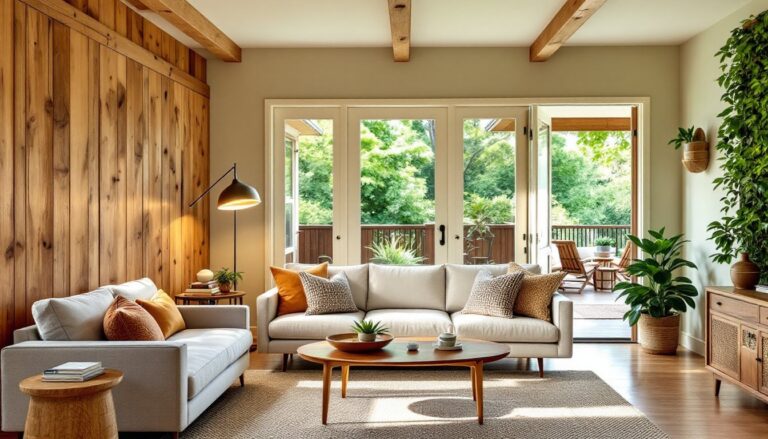
Black and wood might seem like an unlikely pairing, but when done right, this combination creates a striking balance between drama and warmth. For DIYers and homeowners looking to refresh their spaces, black and wood interior design offers a sophisticated yet approachable way to elevate any room. This isn’t about slapping dark paint on every wall or filling your home with heavy furniture. Instead, it’s a thoughtful approach to balancing rich, dark accents with the natural beauty of wood tones. Whether you’re updating a single room or planning a whole-house refresh, understanding how to work with these two elements will transform your space into something genuinely impressive.
Table of Contents
ToggleKey Takeaways
- Black and wood interior design creates striking balance by using black for contrast and visual weight while wood brings warmth, texture, and organic character to any room.
- Proportion is essential: keep walls and large furniture in warm wood tones, then use black strategically as accents in window frames, hardware, trim, and statement pieces to avoid an oppressive atmosphere.
- Mixing multiple wood tones works when they come from different sources and are visually separated; avoid clustering similar-but-different tones like cherry, walnut, and oak in close proximity.
- Strategic black placement in kitchens and bathrooms—such as matte black hardware, framed mirrors, or open shelving interiors—delivers maximum impact with minimal commitment and cost.
- Test your black and wood design ideas with removable materials or small samples before making permanent changes like painting accent walls or installing new cabinetry.
- This design pairing is both timeless and flexible, working across Scandinavian, Japandi, and modern interior design styles without looking dated as trends evolve.
Why Black And Wood Is the Ultimate Design Duo
Black and wood work together because they do opposite jobs in a room. Wood brings warmth, texture, and organic character, think of exposed beams, hardwood floors, or a reclaimed shelving unit. Black provides contrast, definition, and visual weight. Together, they create a space that feels both grounded and dynamic.
This pairing resonates with several design movements at once. Scandinavian minimalism leans heavily on light woods with black accents. Japanese and Japandi Interior Design traditions pair dark tones with natural materials for serene, balanced spaces. Modern Interior Design often embraces this contrast as a way to add sophistication without clutter.
From a practical standpoint, black and wood are forgiving. They hide dust better than pastels, work across multiple design styles, and age gracefully. A black-framed mirror or dark shelving unit won’t look dated in five years. Wood tones deepen with age, adding character rather than showing wear. You’re not chasing trends here, you’re building something classic.
How to Balance Black and Wood in Any Room
The trick to black and wood design is proportion. A room that’s 50% black and 50% wood feels oppressive and heavy. A room that’s mostly light wood with small black accents feels balanced and intentional.
A good starting point: keep your walls, large furniture, and flooring in warmer tones (light to medium wood, cream, or soft neutrals). Use black as an accent, think window frames, trim, hardware, or statement furniture pieces. This keeps the room feeling open while delivering visual interest.
Choosing the Right Wood Tones
Not all woods are created equal, and mixing them requires intention. Light woods (oak, ash, birch) feel bright and airy. Medium woods (walnut, cherry, maple) offer warmth without heaviness. Dark woods (ebony, wenge, very dark walnut) can feel luxurious but need careful placement.
Mixing two or three wood tones in one room works if they come from different sources. For example, light oak flooring pairs well with a walnut side table and ash shelving, as long as they’re separated visually. What doesn’t work is cherry cabinets next to walnut trim next to oak flooring, too many similar-but-different tones create visual chaos.
When choosing finishes, consider matte vs. glossy. A matte finish on wood feels more organic and hides fingerprints: a glossy finish reflects light and feels more refined. Interior Design Tips for wood selection often emphasize matching your finish choice to your room’s natural light. North-facing rooms need warmer, glossier finishes to feel alive. South-facing rooms can handle matte finishes that won’t reflect harsh sunlight.
Strategic Black Placement
Black works best in the following places: window frames and trim, cabinet hardware and door frames, accent walls, fireplace surrounds, or freestanding pieces like a console table or bookshelf. These spots anchor a room visually without overwhelming it.
Don’t paint a small room’s walls black, it shrinks the space. Instead, paint one accent wall or use black trim and let the wood (floors, furniture) be your dark element. If you want a darker feel, consider charcoal or deep gray on walls instead of pure black: they deliver the same mood with more flexibility.
Hardware is one of the easiest places to introduce black. Matte black cabinet handles, door hinges, and light switch plates are widely available and inexpensive to swap out. A drawer pull change can completely refresh a kitchen or bedroom without the commitment of paint or new furniture. When choosing hardware, match the finish, matte black with matte wood, polished black with glossy finishes, for a cohesive look.
Black and Wood Design Ideas for Key Living Spaces
Living Rooms and Bedrooms
In living rooms, start with your largest anchor piece. If you’re working with existing hardwood floors (medium to dark tone), paint walls in warm white or soft cream, then add a black fireplace surround or dark accent wall behind your seating area. Layer in a walnut coffee table and black-framed shelving to tie it together. A modern interior design approach here means clean lines: black metal shelving brackets, simple wood surfaces, minimal ornament.
For a sofa, consider medium gray or warm taupe upholstery rather than black. A black sofa can make a small room feel even smaller. Instead, flank it with black side tables or place it against a wall with black shiplap or paneling. Throw pillows in cream, warm gray, or natural linen will soften the scheme and prevent it from feeling too stark.
Bedrooms benefit from black and wood because the style feels restful rather than trendy. A platform bed frame in dark walnut with black metal legs and a black upholstered headboard creates a focal point without clutter. Paint walls a soft warm white or pale gray, keep flooring light to medium wood, and add black nightstands and framed art. This approach works whether your bedroom is 100 square feet or 200 square feet.
Textiles matter more in bedrooms. Cream linen sheets, a warm gray duvet, and natural wool throw blankets in cream and charcoal prevent the space from feeling cold or sterile. The black becomes an accent rather than dominating the room.
Kitchens and bathrooms are where black shines brightest. A kitchen with light wood cabinets, white subway tile backsplash, and black matte hardware feels contemporary and timeless. Paint the interior of open shelving black to make dishes and glassware pop. In bathrooms, black-framed mirrors over light wood vanities create a spa-like feel, especially when paired with white tile or marble.
Don’t forget flooring. Black-and-white tile works in traditional spaces. Light wood flooring with a black border or Greek key pattern adds sophistication. In kitchens and bathrooms, ensure any black flooring is matte (non-slip) and sealed properly if it’s wood, these wet areas demand durability.
As you carry out these ideas, think in layers. Interior Design Archives showcase countless examples of spaces that worked because each element, walls, flooring, large furniture, hardware, and accessories, was chosen with intention. Resources like Decoist and Home Bunch offer visual references that can guide your material and color choices. House Beautiful also publishes seasonal trends that help you understand how black and wood pair with current paint colors and finishes.
Starting small also helps. Before committing to black kitchen cabinets, test the look with removable black contact paper on a few doors. Before painting an accent wall, buy sample quarts and paint large swatches at different times of day to see how light changes the tone. This approach prevents expensive mistakes and lets you adjust your vision as you see it in your actual space.
Conclusion
Black and wood interior design works because it’s both timeless and flexible. Whether you’re going full minimalist with Scandinavian Interior Design principles or embracing a bolder modern aesthetic, this pairing adapts to your style. The key is proportion, intention, and starting small. Layer in black accents thoughtfully, choose wood tones that feel warm in your space, and let the combination evolve as your design confidence grows. Done right, black and wood create a home that’s sophisticated, warm, and genuinely yours.