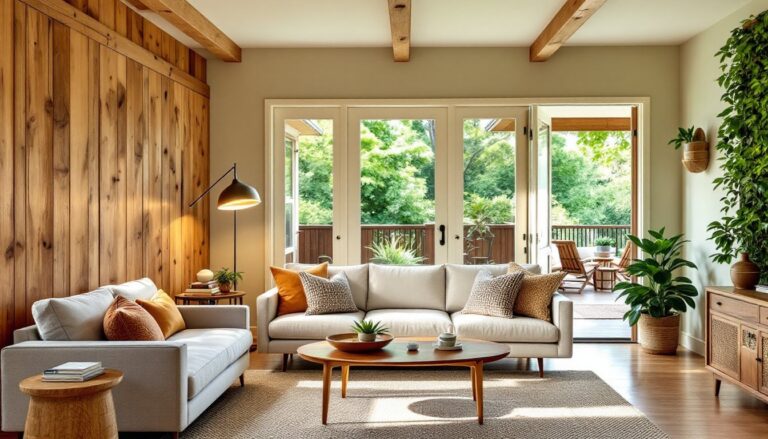
Starting an interior design business is more attainable than ever in 2026, but it requires more than just an eye for aesthetics. Whether you’re transitioning from a day job or turning a passion into profit, you’ll need to address the practical fundamentals: financial planning, legal structures, portfolio development, and business strategy. This guide walks you through the essential steps to launch your interior design business on solid ground, with honest guidance on what it actually takes to succeed in a competitive field.
Table of Contents
ToggleKey Takeaways
- Starting an interior design business requires balancing design expertise with essential business fundamentals like financial planning, legal structure, and professional branding.
- Honestly assess your design skills, credentials, and gaps—whether self-taught or formally trained—and consider pursuing professional certification like the NCIDQ exam to build credibility.
- Plan realistic startup costs between $2,000–$10,000 and budget for 6–12 months of operating expenses before your interior design business reaches cash-flow positive status.
- Secure general liability insurance ($400–$1,000+ annually), register your business legally, and use detailed contracts to protect yourself from liability and disputes.
- Build a professional portfolio with 2–3 completed projects or staged rooms, then establish your brand identity and online presence through a website, Instagram, and Pinterest.
- Price your services competitively ($60–$100 hourly or $2,000–$5,000 per small project) based on local market research, and use consultation fees to filter clients and demonstrate professionalism.
Assess Your Skills And Design Experience
Before you hang out a shingle, be frank about your expertise and gaps. Do you have formal design training, a degree, certification, or professional apprenticeship? Or are you relying on natural talent and DIY experience? Both paths can work, but they set different trajectories.
If you’re self-taught, take inventory of your real wins. Have you successfully designed full room overhauls, or have you mostly rearranged your own space? Can you use design software (AutoCAD, SketchUp, Adobe Suite)? Do you understand color theory, spatial planning, and building codes? Understanding your actual skill level prevents you from overselling services or taking on projects you can’t deliver.
Consider taking a professional certification if you lack formal credentials. The National Council for Interior Design Qualification (NCIDQ) exam is the gold standard in the U.S., though it requires documented education and experience hours. Some designers operate successfully without it, but it builds credibility and may be required for certain projects or markets.
Honestly assess your weak spots, maybe it’s client communication, project management, or knowledge of specific material suppliers. Knowing these gaps early lets you address them through training, mentoring, or strategic partnerships before they hurt your reputation.
Create A Solid Business Plan And Budget
A business plan isn’t just for bank loans: it’s your roadmap. Outline your business model: Will you focus on residential, commercial, or a specific niche (e.g., kitchen design, sustainable interiors, apartment staging)? Who’s your target client, homeowners, real estate investors, rental property managers? Being specific matters because it drives your pricing, marketing, and service scope.
Break down realistic startup costs. Factor in office space or home office setup, software licenses (Adobe Creative Suite, SketchUp Pro, design management tools), business registration, insurance, a professional camera or smartphone upgrade, and initial marketing. Expect anywhere from $2,000 to $10,000+ depending on your local market and ambitions, and that’s before you build a portfolio or pay for professional photography of completed projects.
Project your operating expenses for the first 12 months: accounting software, website hosting, industry memberships, continuing education, samples and reference materials. Most design businesses aren’t cash-flow positive in month one: plan for 6–12 months of runway if you’re leaving other income.
Decide on a business structure: sole proprietorship, LLC, or corporation. An LLC typically offers liability protection without excessive complexity and is the most common choice for design startups. Consult a business accountant or attorney to understand tax implications and filing requirements in your state.
Handle Legal Requirements And Insurance
Your business structure decision feeds into licensing and insurance. Design licensing varies by state and project type. Some states require a designer license only if you use “interior designer” in your title or handle specific regulated tasks (like building code compliance for new construction). Others have no formal licensing. Check your state’s regulatory board before you market yourself.
General liability insurance is non-negotiable. It covers claims if someone’s injured on a client’s property or if your work causes damage. Expect to pay $400–$1,000+ annually depending on coverage limits and location. If you’re handling product specifications or managing contractors, ask about professional liability (errors and omissions) coverage, which protects you if a design recommendation goes wrong.
Register your business name, obtain an EIN (Employer Identification Number) from the IRS, and set up a separate business bank account. File the appropriate forms with your state (usually through the Secretary of State’s office). Get a business license from your local municipality, requirements vary widely, so call your city or county business office.
Understand zoning if you’re working from home. Most residential zones allow a home-based design office, but check local ordinances. Keep detailed contracts for every project outlining scope, timeline, payment terms, and liability. A poorly written contract is a lawsuit waiting to happen: consider a template from a small-business attorney or a service like LegalZoom.
Build Your Portfolio And Brand Identity
Your portfolio is your strongest sales tool. If you don’t have completed client projects yet, stage one or two rooms in your own home (or a friend’s, with clear permission). Photograph them professionally, good lighting and composition matter far more than an expensive camera. Shoot before and after images from multiple angles. If your budget allows, hire a photographer for $300–$800: it’s worth it for portfolio-quality shots.
Document every project: design concept, materials used, timeline, challenges solved, and budget. Write a brief case study (100–150 words) for each. This shows clients you think strategically, not just visually. Include diverse styles and room types to show range. Even if your early projects are small (a bedroom refresh, a home office redesign), they demonstrate competence.
Your brand is more than a logo. It’s your design philosophy, communication style, and visual identity. Are you the minimalist modernist? The eclectic maximalist? The sustainable-first designer? Define this clearly so you attract clients who value what you do. Develop a cohesive color palette, typography, and visual style for your marketing materials and website.
Develop A Professional Website And Social Media Presence
Your website is your 24/7 storefront. Include an about page with your credentials and approach, a portfolio gallery with case studies, service descriptions and pricing ranges, and a contact form. Platforms like Squarespace, Wix, or WordPress are designer-friendly and cost $10–$20 monthly. Instagram and Pinterest are essential for design professionals: post high-quality images of your work, design trends, and before/afters at least 2–3 times weekly. Use relevant hashtags and engage with potential clients and other designers. TikTok is emerging as a design platform too, short, punchy content (quick room transformations, design hacks) can build an audience.
Set Your Pricing And Service Offerings
Pricing is where many new designers stumble. Don’t undercut yourself thinking you’ll gain market share, you’ll just attract clients who don’t value design and kill your profit margins. Research local competitors and your target market. Real interior design salaries vary significantly: understanding what experienced designers earn helps you price competitively without selling yourself short.
Common pricing models include hourly rates ($50–$200+ depending on experience and location), project-based flat fees, or a percentage of project costs (typically 10–25%). Many designers use a hybrid: a consultation fee upfront, then credit that toward the project. A consultation fee ($150–$500 for 1–2 hours) filters out tire-kickers and shows clients you’re a professional.
Be clear about what you’re offering. Are you providing design concept sketches only, or will you source materials, oversee installation, and manage contractors? Will you handle permits or code compliance? Do you offer post-project styling or adjustments? Define service packages clearly so clients know what they’re getting.
Starting rates for new designers typically fall between $60–$100 hourly or $2,000–$5,000 for a small residential room project. As you build reputation and case studies, you’ll increase rates. Track your hours and profitability closely: if a project is bleeding time, adjust your approach for the next one. Reviewing interior design job market trends helps you position yourself competitively as you scale. Consider design apps and software tools to streamline project management and boost efficiency, which directly impacts your profitability.
Conclusion
Launching an interior design business boils down to combining skill with business fundamentals. Assess what you actually know, build a realistic financial plan, handle legal compliance seriously, and invest in a professional portfolio. Set fair pricing that reflects your expertise, and continually refine your positioning. The design industry rewards professionals who are as savvy about business as they are about aesthetics. Start now, stay lean, and grow on solid ground.