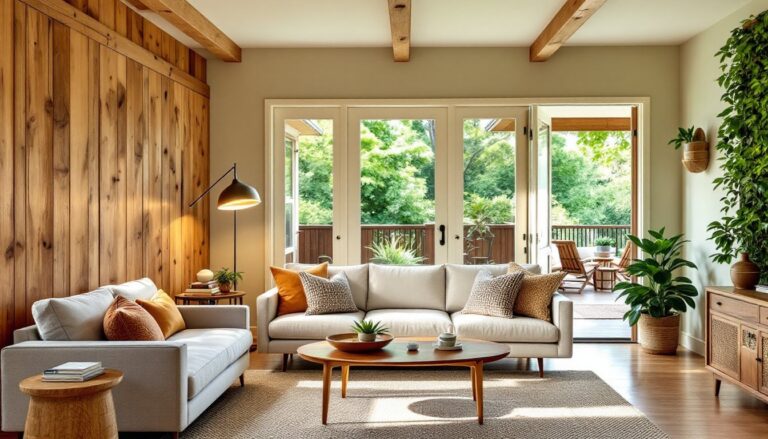
Raleigh’s interior design scene is thriving, shaped by a mix of Southern tradition, modern sensibility, and the creative energy of North Carolina’s capital city. Whether you’re renovating a 1970s brick ranch in North Hills or updating a downtown loft, understanding what works in this region matters. The Raleigh area’s design preferences lean toward livable spaces that balance form and function, think welcoming farmhouse touches mixed with clean contemporary lines. This guide covers the design trends gaining traction locally, how to find a designer who understands your vision, and practical DIY updates you can tackle yourself to refresh your home.
Table of Contents
ToggleKey Takeaways
- Interior design in Raleigh emphasizes livable, durable spaces that balance modern sensibility with Southern tradition, accounting for regional humidity and climate challenges.
- Modern farmhouse and coastal-inspired styles dominate Raleigh’s interior design scene, executed with restraint and personalization to avoid cookie-cutter aesthetics.
- When hiring an interior designer in Raleigh, prioritize ASID certification, review portfolios of similar homes, clarify project scope and budgeting approach, and ensure strong communication and collaboration fit.
- Budget-friendly DIY projects like fresh paint, lighting upgrades, textiles, and hardware replacement can transform Raleigh homes without professional help.
- Focus on functionality, authenticity, and designs you’ll genuinely enjoy living with rather than chasing short-lived trends when planning interior updates.
Why Raleigh’s Design Scene Offers Unique Inspiration
Raleigh sits at a crossroads of influences. The city’s architectural heritage, with everything from Victorian cottages to mid-century modern splits, creates a diverse visual palette. Nearby Chapel Hill and Durham bring creative, unconventional design voices. The area’s strong custom home and renovation market means local contractors, suppliers, and designers have refined their craft around regional materials and climate considerations.
Local designers here understand practical realities: humidity management, seasonal swings in temperature, and the prevalence of hardwood floors common to older homes. Design solutions that work in Raleigh tend to prioritize durability and maintenance, a philosophy that filters down into residential preferences. The region’s growing tech and professional workforce has also introduced contemporary design sensibilities alongside traditional Southern comfort. Visit a showroom in downtown Raleigh, and you’ll see a clear shift toward personalized, function-first interiors rather than trend-obsessed makeovers.
Popular Interior Design Styles in the Raleigh Area
Modern Farmhouse and Coastal-Inspired Trends
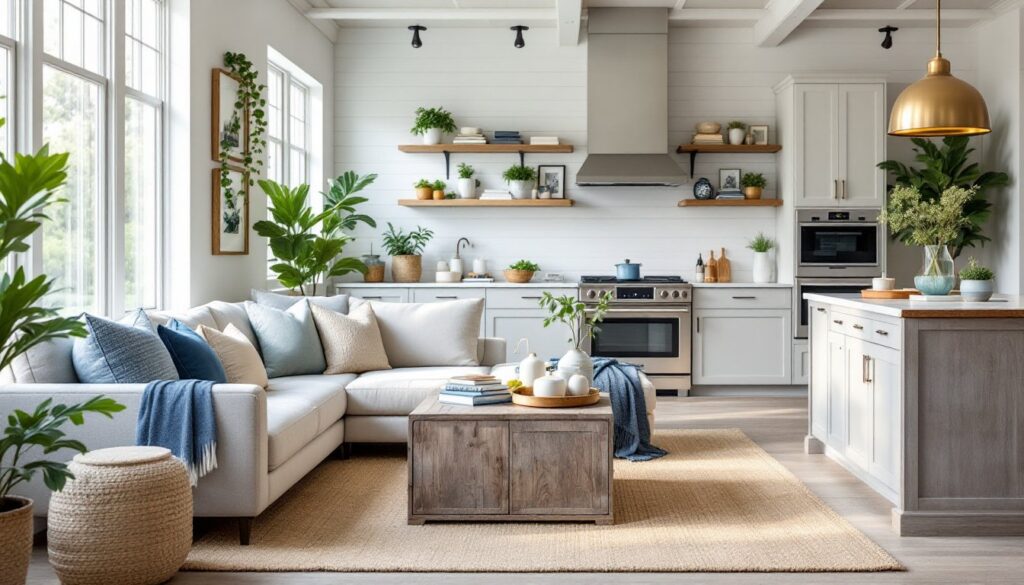
Modern Farmhouse in Raleigh pulls from the region’s agricultural past while staying rooted in current design language. Shiplap accents, open shelving in kitchens, and oversized island seating are still popular, but executed with restraint, no maximalist farm-chic chaos. Finishes lean toward matte or oiled metals rather than shiny brass, and color palettes stick to warm neutrals: creams, soft grays, and muted sage tones.
Coastal-Inspired design translates the relaxed, breezy feel of beach houses to landlocked homes. While Raleigh sits three hours from the Atlantic, the style resonates because it prioritizes comfort, natural materials, and a sense of ease. Distressed wood, linen upholstery, natural fiber area rugs, and soft blues or greens create spaces that feel open and inviting. Both styles benefit from modern interior design principles, thoughtful layouts, quality basics, and minimal visual clutter. The key is avoiding cookie-cutter aesthetics: personalization through art, family photos, or collected pieces makes these styles feel genuinely lived-in rather than staged.
Finding the Right Interior Designer in Raleigh
If you’re ready to hire a professional, knowing what to look for makes the process smoother. Start by clarifying your project scope: Is this a full home redesign, a single-room refresh, or consulting on a new build? Some designers specialize in residential, while others focus on commercial or specialty markets.
Raleigh’s design community includes ASID-certified professionals (American Society of Interior Designers), which signals formal training and adherence to ethics standards. Look for portfolios that show work in homes similar to yours, older construction, contemporary builds, or specific neighborhoods. Ask about their process: Do they charge hourly, by project, or as a percentage of purchases? Do they source locally? Understanding their approach to budgeting and timeline prevents misalignments down the road.
Online reviews and referrals through local real estate agents or contractors carry weight. Many Raleigh designers offer initial consultations, use this to assess whether they listen to your vision or try to impose their style. Trust your gut: the right designer should feel like a collaborative partner, not a decorator imposing a predetermined look. Communication matters most, especially across the construction and purchasing phases of larger projects.
DIY Interior Design Projects for Raleigh Homes
Not every update requires a designer’s hand. Tackle these yourself to save money and build confidence with your space.
Budget-Friendly Updates That Make an Impact
Start with paint. A fresh coat of quality interior paint transforms a room faster than any other single project. Raleigh’s humidity demands proper surface prep and a primer in most cases, don’t skip it. Choose a premium paint formulated for moisture resistance: exterior-grade paint works in bathrooms where humidity peaks. One gallon covers roughly 400 square feet: measure your walls beforehand to avoid multiple trips.
Second priority: lighting. Replace builder-grade fixtures with statement pendants, sconces, or a simple chandelier. This requires basic electrical work, if you’re uncomfortable turning off breakers and testing circuits with a non-contact tester, call an electrician. It’s cheaper than an unintended shock.
Textiles and layering come next. Swap throw pillows, add an area rug, hang curtains or drapes. These cost $50 to $200 per room and are risk-free since you can swap them out anytime. Quality fabrics resist fading better in Raleigh’s bright indoor light.
Hardware replacement on kitchen cabinets or bathroom vanities takes two hours and costs $100 to $400 depending on the finish and material. Knobs and pulls are easy swaps with a drill and screwdriver. You can also apply a transformation with interior design apps to visualize changes before purchasing.
Wallpaper or wall treatments add personality without permanence. Peel-and-stick options now come in quality designs and remove cleanly, making them ideal for rental-minded DIYers or those uncertain about commitment. Traditional wallpaper requires sealing edges and careful removal, doable for a confident DIYer, but mistakes are visible.
Baseboards and trim touch-ups involve caulking gaps and repainting to freshen tired woodwork. Use paintable caulk and a slim caulk gun for clean lines. This detail work doesn’t demand precision, but patience pays off.
Start with one room rather than your whole home. Success in a bedroom or bathroom builds momentum and teaches you your tolerance for mess and complexity. Most DIY projects here take a weekend: results last months or years depending on the undertaking. Avoid structural changes, electrical rewiring beyond simple fixture swaps, and plumbing work unless you’re licensed, permits and codes apply, and mistakes compound fast.
Conclusion
Interior design in Raleigh isn’t about following national trends blindly. It’s about understanding what resonates in your community, your home’s unique character, and your actual lifestyle. Whether you hire a local designer or tackle updates yourself, prioritize durability, functionality, and spaces that feel authentically yours. Start with a clear vision, listen to your instincts, and remember that the best design choices are the ones you’ll love living with for years to come.