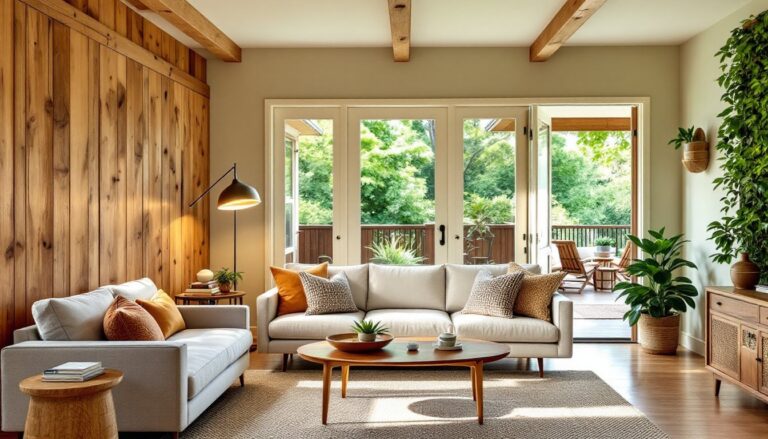
Whether you’re a design enthusiast looking to share your latest renovation, a budding interior designer building credibility, or someone who’s created a truly stunning space, interior design PR matters now more than ever. In 2026, your design work isn’t just about the finished room, it’s about telling the story of that room, building an audience who appreciates your eye, and establishing yourself as someone who understands style and function. This guide walks you through the practical steps to showcase your interior design work, build your professional profile, and create real momentum in the design world.
Table of Contents
ToggleKey Takeaways
- Interior design PR is the deliberate practice of presenting your work to the right audience, building credibility, and establishing authority within the design community.
- A cohesive visual brand and professional photography form the foundation of your interior design portfolio—invest in before-and-after shots and behind-the-scenes content to showcase your transformation process.
- Social media platforms like Instagram, Pinterest, and TikTok are essential channels for design exposure, where consistent posting, genuine engagement, and strategic hashtags drive visibility and inquiries.
- Collaborations with contractors, architects, photographers, and other designers amplify your reach and credibility while creating professional networking opportunities.
- Transformation stories and actionable design tips are highly shareable content formats that establish expertise and resonate with potential clients searching for real solutions.
- Long-term interior design PR success requires tracking engagement metrics, monitoring inquiry sources, and building consistency over six months to a year to attract the right clients and projects.
What Is Interior Design PR and Why It Matters
Interior design PR isn’t about hiring a fancy publicity agent or landing your space in a glossy magazine (though those are nice bonuses). It’s the deliberate practice of presenting your design work to the right audience, building awareness, and establishing your credibility within the design community.
Why does it matter? Because a beautifully designed kitchen that no one sees is just a beautiful kitchen, but a beautifully designed kitchen that’s shared, discussed, and admired becomes part of your professional brand. Designers who actively promote their work attract better clients, command higher fees, and build a loyal following that appreciates their aesthetic.
In practical terms, interior design PR helps you:
• Attract ideal clients who share your design philosophy and budget
• Build authority in your niche (mid-century modern, sustainable design, transitional spaces, etc.)
• Create networking opportunities with other designers, contractors, and industry professionals
• Document your growth as you evolve your skills and aesthetic
• Establish yourself as a thought leader in your design category
Think of interior design PR as the bridge between the work you create and the people who should care about it.
Building Your Interior Design Portfolio and Visual Brand
Your portfolio is the foundation of your interior design PR strategy. It’s your proof of concept, your portfolio card, and your sales tool all rolled into one.
Start with a cohesive visual brand. This doesn’t mean every project looks identical, it means your work has a recognizable point of view. Ask yourself: What style do I gravitate toward? What problems do I solve (small spaces, dated kitchens, color coordination)? What’s my design signature? Modern Interior Design: Transform guides homeowners through thoughtful aesthetics, but your personal brand might lean toward Elegant Interior Styling: Transform Your Space into a Luxurious Retreat or another niche entirely. The key is consistency.
Photograph your work professionally. Smartphone photos might capture the moment, but professional photos sell the work. Invest in a photographer who understands lighting, composition, and how to make a space feel inviting. Before-and-after shots are particularly powerful, they tell the transformation story and show what’s possible.
Document more than just the finished space. Include process shots: material selections, mood boards, construction phases, and detail shots. This behind-the-scenes content humanizes your work and shows your process.
Keep your portfolio updated and organized. Whether you use a website, PDF portfolio, or platform like Behance or ISSUU, make sure it’s easy to navigate and clearly labeled. Group projects by style, room type, or project scale. Include brief project notes: the challenge, your solution, and the outcome.
Leveraging Social Media and Digital Platforms for Design Exposure
Social media is where interior design PR happens daily in 2026. Instagram, Pinterest, TikTok, and design-focused platforms are where people discover new aesthetics, follow designers, and share inspiration.
Instagram remains the hub for design visibility. Post high-quality project photos with thoughtful captions that explain your design choices, not just what you did. Share reels showing transformations, design tips, or styling hacks. Use relevant hashtags (#interiordesign, #beforeandafter, your local area, your niche style) without overdoing it. Engage with other designers’ content and respond to comments, this builds relationships and signals to the algorithm that your account is active.
Pinterest drives long-tail traffic and acts as a design reference tool. Pin your project photos, create design mood boards, and share helpful guides. Pinterest users are actively looking for design inspiration and solutions, making it ideal for visibility. AI Interior Design: Transform Your Space with Smart Creativity and related topics perform well because they address actual design problems. Link pins back to your website or portfolio.
TikTok reaches younger audiences and rewards creative storytelling. Quick room tours, design decision explanations, or before-and-after reveals in video format can go viral. Don’t overthink production, authenticity wins on TikTok.
Consider design-specific platforms. Houzz, for example, connects homeowners actively planning renovations with designers. Complete your profile thoroughly, include photos and testimonials, and respond to inquiries promptly. These platforms position you as accessible and professional.
Write helpful content. Blog posts, design guides, or product recommendations establish expertise. A post titled “Why Your Small Living Room Feels Cramped (And How to Fix It)” attracts both readers and potential clients searching for real solutions.
Networking and Collaborations Within the Design Community
Interior design PR thrives through relationships. Collaborations with other professionals amplify your reach and credibility.
Connect with contractors, architects, and other designers. These relationships lead to referrals, co-promotions, and shared projects. Attend local design events, trade shows, or professional meetings. Follow other designers’ work, compliment their projects genuinely, and initiate conversations. Many strong professional relationships start with authentic engagement online.
Collaborate on projects or content. Partner with a photographer on a styled shoot, work with a furniture maker on a custom piece, or co-host a design discussion. Collaborations introduce you to each other’s audiences and create more polished, professional content.
Engage with design publications and blogs. Sites like Architectural Digest feature designer spotlights, home tours, and trend articles. Pitch your project or expertise. MyDomaine covers design tips and trends, if your work aligns with their editorial focus, reach out. ELLE Decor’s public affairs team handles designer features and story pitches.
Join design organizations or professional groups. ASID (American Society of Interior Designers), INDE (Interior Design Educators Council), or local chapters create networking opportunities, credibility, and potential speaking roles. Membership signals professionalism to clients.
Mentor or teach. Offering a workshop, guest lecturing, or mentoring emerging designers positions you as an authority. It’s also a natural way to network with other professionals and students.
Creating Shareable Content That Gets Attention
Content is what people share, discuss, and remember. Your interior design PR hinges on creating content worth sharing.
Tell transformation stories. Before-and-after is the most shareable format in design. Show the dated or dysfunctional space, explain the challenge (“This kitchen was 15 years old, poorly lit, and lacked storage”), walk through your decisions, and reveal the result. People love seeing potential realized.
Share your design process transparently. Document your mood board, material selections, color rationale, or the problem-solving that went into a tricky space. Explain why you chose a specific paint color, fabric, or layout. This educational content resonates and positions you as knowledgeable.
Create trend-based content. Design trends evolve constantly. Comment on trends you love, trends you’d avoid, or how to adapt a trend to someone’s existing style. This keeps your content timely and searchable.
Offer quick, actionable tips. Short posts like “3 Ways to Make a Small Room Feel Bigger” or “Why Your Color Palette Isn’t Working” are highly shareable and establish quick wins. People save these posts, share them, and remember your name when they need design help.
Use before-and-after carousel posts, video reveals, or styled photography. Vary your content format. Some people prefer the dramatic reveal: others want the process story. Mix it up to reach different preferences and keep your feed fresh.
Include calls to action naturally. End posts with questions: “What’s your biggest design challenge?” or “Would you use this color in your home?” Engagement boosts visibility and starts conversations that can lead to client inquiries.
Measuring Your Design PR Success and Building Long-Term Authority
Interior design PR isn’t just about vanity metrics, but tracking what’s working helps you refine your strategy.
Monitor engagement and reach. Track which posts get the most saves, shares, and comments. These are your strongest content types, double down on them. Use platform analytics (Instagram Insights, Pinterest Analytics, etc.) to see what time of day posts perform best and which hashtags drive traffic.
Count inquiries and attributes. When a potential client reaches out, ask how they found you. Track whether they discovered you through social media, a referral, a portfolio site, or a publication mention. This reveals your most effective PR channels.
Measure follower growth and profile traffic. Growth that’s slow but steady (not purchased followers) indicates genuine audience interest. A growing follower count often correlates with more inquiries over time.
Track website analytics if you have a portfolio site. Which project pages get the most views? Which blog posts drive traffic? This shows what resonates with your target audience.
Build long-term authority through consistency. Real PR success isn’t overnight. It’s posting regularly, engaging genuinely, collaborating, and continuously refining your voice. After six months to a year of consistent effort, you’ll see increased inquiries, stronger referrals, and growing recognition.
Document milestones and testimonials. Save client testimonials, publication features, and positive feedback. These become part of your credibility story and future marketing materials.
The goal isn’t fame for its own sake, it’s building a sustainable design practice where your reputation attracts the right clients and the work you want to do.
Conclusion
Interior design PR is the practice of thoughtfully sharing your work, building relationships, and establishing credibility in the design world. It combines a strong portfolio, strategic social media presence, genuine networking, and content that speaks to real design problems and solutions. Success isn’t measured in follower counts alone, it’s measured in meaningful client relationships, growing authority, and the ability to attract projects you’re genuinely excited about. Start today by evaluating your current portfolio, choosing one social platform to focus on, and reaching out to one designer or industry contact. Small, consistent actions compound into real professional momentum.