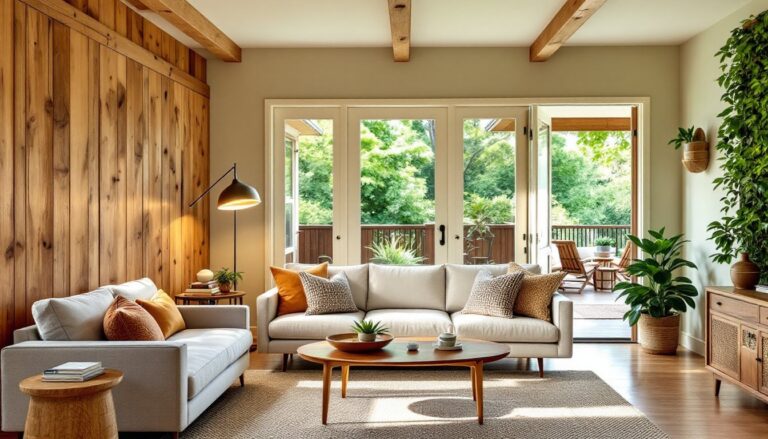
Whether you’re drawn to redesigning rooms or thinking about launching a career in interior design, understanding your education options is the first step. Interior design schooling ranges from formal degrees and certifications to self-directed online learning and hands-on practice. The path you choose depends on your goals, are you designing your own home, building a side business, or pursuing a full-time professional career? Unlike trades that strictly require licenses in most jurisdictions, interior design offers flexibility: some professionals thrive with formal credentials, while others build thriving businesses through portfolios and experience alone. This guide walks you through what’s actually required, what works best for different ambitions, and how to start right where you are.
Table of Contents
ToggleKey Takeaways
- Interior design schooling offers multiple pathways—from formal bachelor’s degrees and certifications (ASID, NCIDQ) to online courses and self-taught methods—allowing you to choose based on your goals and budget.
- While most U.S. states don’t require formal credentials to work as an interior designer, a few jurisdictions like New York, Florida, and Louisiana have title protection laws requiring education, experience, and licensing exams.
- Building a strong portfolio with 3–5 documented projects, including before-and-after photos and case studies, can establish credibility faster than credentials alone and attracts real client opportunities.
- Core competencies—design principles, technical software skills (SketchUp, Photoshop), and material knowledge—are essential regardless of whether you pursue formal education or self-directed learning.
- Networking with professionals, joining organizations like ASID and IIDA, and staying current with industry trends through blogs and publications are just as valuable as classroom credentials for building a sustainable design career.
- A hybrid approach combining affordable online courses with real-world client projects offers the best balance of cost-effectiveness, accelerated learning, and practical experience for aspiring interior designers.
Is Formal Education Required for Interior Design?
The short answer: it depends on where you live and what you want to do. In most U.S. states, you can legally call yourself an interior designer and take on projects without any formal credentials. But, if you want to use the title “Certified Interior Designer” (ASID or NCIDQ certified), you’ll typically need a combination of education and work experience.
A few states, including New York, Florida, and Louisiana, have title protection laws that restrict who can use specific credentials. These jurisdictions require formal education plus documented experience and licensing exams. Check your state’s regulations if you’re serious about professional practice. For homeowners and DIY enthusiasts designing their own spaces, formal schooling isn’t necessary at all, just foundational knowledge and a willingness to learn.
The real question isn’t whether you need schooling, but whether it accelerates your growth and credibility. Formal education builds faster expertise through structured learning, industry connections, and a portfolio. Self-taught designers save money and time but need discipline to learn comprehensively and build client trust through results.
Popular Interior Design Education Pathways
Degree Programs and Certifications
A bachelor’s degree in interior design typically runs four years and covers color theory, spatial planning, building codes, CAD software, materials, and design history. Accredited programs (through CIDA, Council for Interior Design Accreditation) ensure quality and often fast-track candidates toward professional certification. Many programs now include sustainability and universal design principles.
Associate degrees (two years) focus on practical skills and technical tools, perfect if you want faster entry into the field or a stepping stone to a bachelor’s. Graduate programs exist but are less common: they’re useful if you’re transitioning careers or specializing in a niche like healthcare or hospitality design.
Certifications come from organizations like ASID (American Society of Interior Designers) and NCIDQ (National Council for Interior Design Qualification). These require education hours, documented work experience, and passing exams. They’re industry-recognized credentials that boost client confidence and can unlock higher rates. Professional certifications typically cost $500–$2,000 combined with exam fees, and renewal requires continuing education every few years.
Online Courses and Self-Paced Learning
Online interior design courses range from single-topic workshops to comprehensive curriculums. Platforms like Skillshare, Coursera, and specialized design schools offer flexibility and affordability, often $200–$1,500 for a full course. You’ll learn software (Photoshop, SketchUp, Revit), design principles, color theory, and trend forecasting. The downside: no degree credential, no hands-on mentorship, and you’re responsible for building a portfolio from scratch.
YouTube channels, design blogs, and books are genuinely useful for self-teaching but require curating reliable sources. Many successful designers combine paid courses with free resources, building expertise piecemeal. This approach works well for hobbyists and side hustlers but demands more self-motivation than structured programs.
Building Practical Skills as a Home Designer
Credentials matter less than skills when you’re starting out. You need three core competencies: design principles (balance, proportion, contrast, emphasis), technical tools (at minimum, you should know SketchUp, Photoshop, or an interior design app like [Interior Design App: Transform][1]), and material and product knowledge (how fabrics perform, paint finishes, flooring durability, lighting behavior in different rooms).
Start by redesigning a room in your own home, or a friend’s. Document the process: initial assessment, mood boards, material selections, before-and-after photos. This becomes your portfolio. Take on 2–3 paid projects (even at reduced rates to build experience) before charging full rates. Real client work teaches time management, problem-solving, and how to handle difficult feedback in ways no course can replicate.
Join professional communities. ASID and IIDA (International Interior Design Association) offer networking, job boards, and resources even if you’re not credentialed. Follow industry leaders on design blogs and publications to stay current with trends and techniques. Stay current with [Modern Interior Design: Transform][2] principles and [Interior Design Styles: Discover][3] options that clients actually want.
Practice is non-negotiable. You’ll need design software skills, so invest time in tutorials. You’ll also need color and lighting confidence, these come from studying spaces, photographing interiors that resonate with you, and experimenting in your own home.
Starting Your Interior Design Journey Without Formal Schooling
If formal education isn’t in your budget or timeline, you can absolutely build a design career from scratch. Start with free and low-cost resources: YouTube design channels, design books (look for classics on color theory and space planning), and sites like MyDomaine offer industry-quality inspiration and practical tips. Read widely across [Interior Design Tips: Transform][4] guides, sustainability practices, and [Art Deco Interior][5] history, broad knowledge helps you develop a point of view.
Invest in one or two paid courses focused on tools you’ll use daily. If you’re going digital-first, prioritize SketchUp and Photoshop courses. Learn your local building codes basics, load-bearing walls, egress requirements, ADA accessibility, even if you’re not doing structural work. Clients respect designers who know code, and it keeps projects safe and compliant.
Build your portfolio strategically. Start with your own spaces, then tackle smaller projects: a bedroom redesign, a living room refresh, a home office setup. For each project, create a case study with measurements, material boards, before/after photos, and a brief narrative about your choices. After 3–5 portfolio pieces, start pitching to friends and family at reduced rates. Real client testimonials and documented results build credibility faster than any degree.
Network relentlessly. Connect with contractors, architects, and other designers in your area. Attend design talks, home shows, and industry events. The business of design is as much about relationships as aesthetics. Many successful self-taught designers credit word-of-mouth referrals and professional relationships for their growth. Consider exploring [Interior Design Jobs: Unlock][6] career paths and understanding [Interior Design Salary: Discover][7] expectations to set realistic income goals as you build.
Conclusion
Interior design schooling isn’t one-size-fits-all. Choose formal education if you want accelerated expertise, industry credentials, and a clear career path. Choose online courses and self-teaching if you’re budget-conscious and self-motivated. Choose a hybrid approach, some paid courses plus real-world projects, if you want the best of both. Regardless of your path, practical experience, a strong portfolio, and genuine curiosity about how people live in their spaces matter most. Start today, stay committed to learning, and let your work speak louder than your credentials.