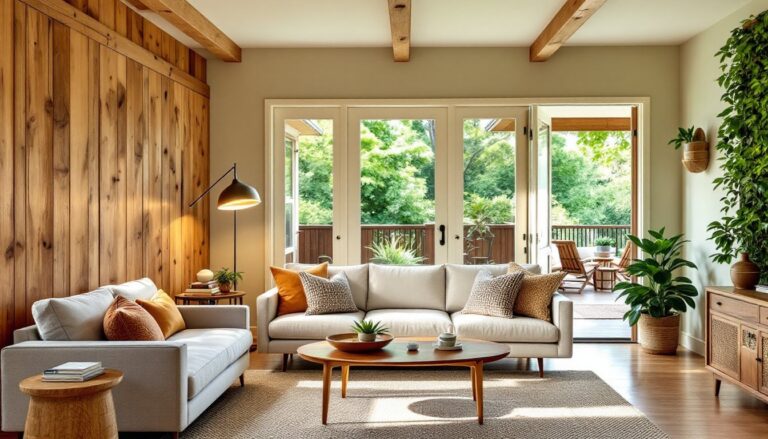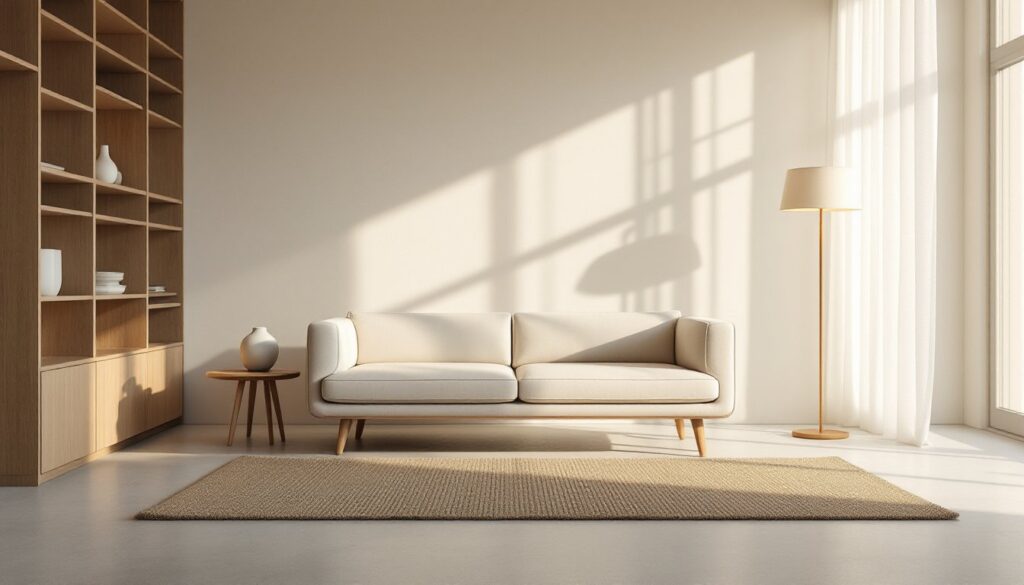
Korean interior design has quietly become one of the most sought-after aesthetics for homeowners looking to create calm, functional living spaces. Unlike design trends that prioritize visual drama, Korean design philosophy emphasizes balance, purposeful minimalism, and harmony between form and function. Whether you’re drawn to the clean lines of modern Korean apartments or the understated elegance of traditional hanok-inspired spaces, this design approach works remarkably well in Western homes. It’s not about following a trend, it’s about creating a space where everything has a reason to exist, where natural materials breathe, and where you actually want to spend time. In 2026, as more people embrace quieter, less-is-more living, Korean design offers a blueprint for that shift.
Table of Contents
ToggleKey Takeaways
- Korean interior design prioritizes intentional minimalism and functionality, where every piece serves a purpose rather than cluttering spaces purely for decoration.
- Natural materials like solid wood, linen, and stone combined with muted, calming color palettes create warm, restful spaces that age gracefully and feel authentic.
- Soft, layered lighting from multiple sources at different heights replaces harsh overhead fixtures and works in harmony with maximized natural light to improve spatial flow.
- Low-profile furniture with tapered legs, unfinished wood grain, and visible flooring create visual lightness and improve sightlines, making even small spaces feel expansive.
- Implementing Korean design requires strategic purging (removing 30-50% of current items), investing in quality wooden pieces, and embracing intentional empty wall space as a design feature rather than a flaw.
- Korean design principles align with sustainable, eco-friendly craftsmanship, offering homeowners a blueprint for creating functional, beautiful living spaces that encourage connection and calm.
Core Principles Of Korean Design Aesthetics
Minimalism And Functionality
Korean design doesn’t strip a room bare, it strips it intentional. Every piece serves a purpose. You won’t see decorative items crowding a shelf just because they’re pretty: instead, a single ceramic vessel or wooden block sits alone, inviting you to actually look at it.
This principle comes from Korean philosophical roots emphasizing balance and simplicity. In practical terms, it means choosing three versatile throw pillows over ten, and Japandi Interior Design blends similar minimalist thinking from Japanese and Scandinavian traditions. Storage is built-in and hidden whenever possible, think sliding doors, floor-level cabinets, and under-bed drawers rather than visible shelving units.
Functionality drives aesthetics. A coffee table isn’t just a flat surface: it might feature hidden storage or a lift-top design that doubles as a workspace. This approach works especially well for smaller homes or apartments where every square foot matters. You’re not sacrificing style: you’re aligning style with how you actually live.
Natural Materials And Earthy Color Palettes
Korean interiors rely heavily on natural, raw materials: light oak, white pine, linen, jute, clay, and natural stone. These materials age gracefully and feel warm without pretension. You’ll see unfinished wood grain, matte ceramic finishes, and organic textures that invite touch.
The color palette is muted and calming. Whites, warm grays, soft beiges, pale greens, and warm blacks dominate. Accent colors appear sparingly, a single cushion in sage green, a terracotta pot, or artwork in navy and cream. This restraint makes spaces feel larger and more restful.
When selecting materials, source real wood rather than veneered plywood for longevity. Solid wood shelving, natural linen curtains, and stone or concrete flooring are hallmarks of authentic Korean design. Many pieces have a slightly rough or unfinished quality, not sloppy, but respectfully natural. Elegant Interior Styling emphasizes quality materials over quantity, and Korean design embodies this principle completely.
Bringing Balance And Harmony Into Every Room
Balance in Korean design is both visual and conceptual. Yin-yang thinking appears throughout: light paired with shadow, empty space with filled, hard surfaces with soft. You’re not creating symmetry, you’re creating equilibrium.
Empty floor space is intentional. A room with less furniture feels calm and expansive, even in a small footprint. Family Room Design that invites connection benefits from Korean principles, fewer pieces mean fewer visual distractions and easier conversation flow.
When arranging a room, consider sight lines and movement paths. Furniture should float slightly rather than hugging walls: this creates breathing room and improves spatial flow. Vertical balance matters too: balance a tall floor lamp with a low-slung sofa, or pair floor-to-ceiling windows with grounding, substantial flooring. This principle prevents spaces from feeling top-heavy or chaotic.
Lighting And Spatial Flow
Lighting in Korean interiors is layered and soft. Harsh overhead fixtures are avoided: instead, soft ambient light comes from multiple sources at different heights. Paper lanterns, fabric-diffused pendant lights, floor lamps with linen shades, and wall sconces create gentle pools of light rather than bright, uniform glare.
Natural light is prioritized. Large windows with minimal window treatments (sheer linen panels rather than heavy drapes) flood rooms with daylight. Many Korean homes incorporate sliding glass doors or transom windows to maximize light penetration while maintaining privacy.
Kitchen Design Trends increasingly adopt this soft-lighting approach, replacing recessed downlights with warm pendants over islands and task lighting under cabinetry. Spatial flow follows light, arrange high-activity zones where natural light pools, and reserve darker corners for rest or meditation. This natural orchestration makes homes feel less designed and more lived-in.
Essential Korean Design Elements For Your Home
Low furniture is a signature Korean design move. Rather than high-armed sofas, look for pieces with low profiles and tapered legs. Furniture sits closer to the ground, creating visual lightness and improving sightlines across a room.
Natural fiber textiles define comfort: linen, cotton, wool, and hemp in natural, undyed colors. Avoid synthetic blends: they don’t age well and feel less authentic. Korean cushions and throws are often cream, oatmeal, or soft gray, no bold patterns competing for attention.
Artwork and decor are restrained. A single piece of calligraphy, a framed landscape photograph, or a sculptural ceramic object receives full visual weight. Group nothing: let pieces stand alone. Modern Interior Design that embraces Korean aesthetics typically features 40% wall space left empty, this is a feature, not a flaw.
Flooring often remains visible and plays a major role. Polished concrete, light wood, or natural stone creates a clean foundation. Area rugs in natural fibers define zones without overwhelming the space. Sliding doors and sliding panels replace traditional doors when possible, saving floor space and creating flexible room divisions.
Practical Steps To Incorporate Korean Design Into Your Space
Start with a purge. Remove 30-50% of your current furniture and decor. This sounds drastic, but it’s the fastest way to reset a room’s energy and see which pieces actually matter.
Step 1: Assess your layout. Measure your room and identify natural light sources. Plan furniture placement to let light move freely and people move naturally through the space.
Step 2: Invest in a quality wooden base. One solid wood shelf, table, or credenza anchors a room. Choose light oak, white pine, or walnut, avoid stains that hide the grain. Scandinavian Interior Design and Korean design share this reverence for honest wood.
Step 3: Choose a limited color palette. Pick a dominant neutral (white, warm gray, or soft beige) and two accent colors (max). This creates visual harmony across rooms.
Step 4: Source textiles thoughtfully. Replace synthetic throws with linen or wool. Swap decorative pillows for a few solid-colored cushions in natural fabrics. One high-quality linen curtain panel beats three cheap ones.
Step 5: Address lighting. Swap overhead fixtures for pendant lights or floor lamps with fabric shades. Aim for warm white bulbs (2700K color temperature) for a softer glow.
Step 6: Plan storage. Clutter kills the aesthetic. Invest in closed storage solutions, baskets under tables, closed cabinets, or built-in shelving with doors. Visible storage should display only the most beautiful or functional items.
Furniture from artisans exploring traditional Korean design with eco-friendly approaches proves that sustainable craftsmanship aligns naturally with Korean design principles. Sites like MyDomaine and Elle Decor feature Korean-inspired interiors if you need visual reference while planning.