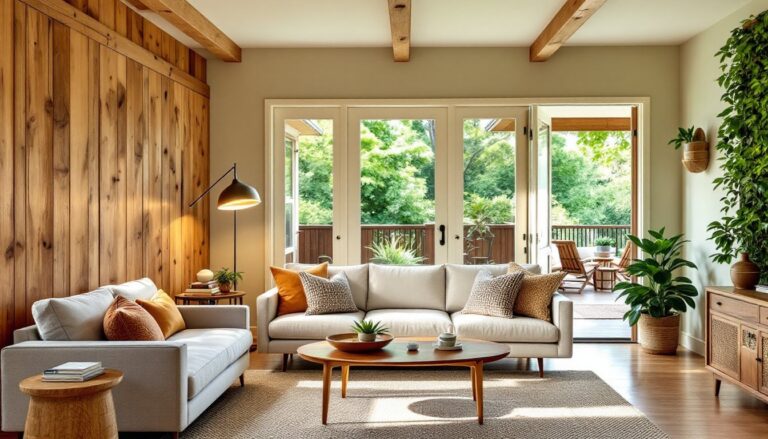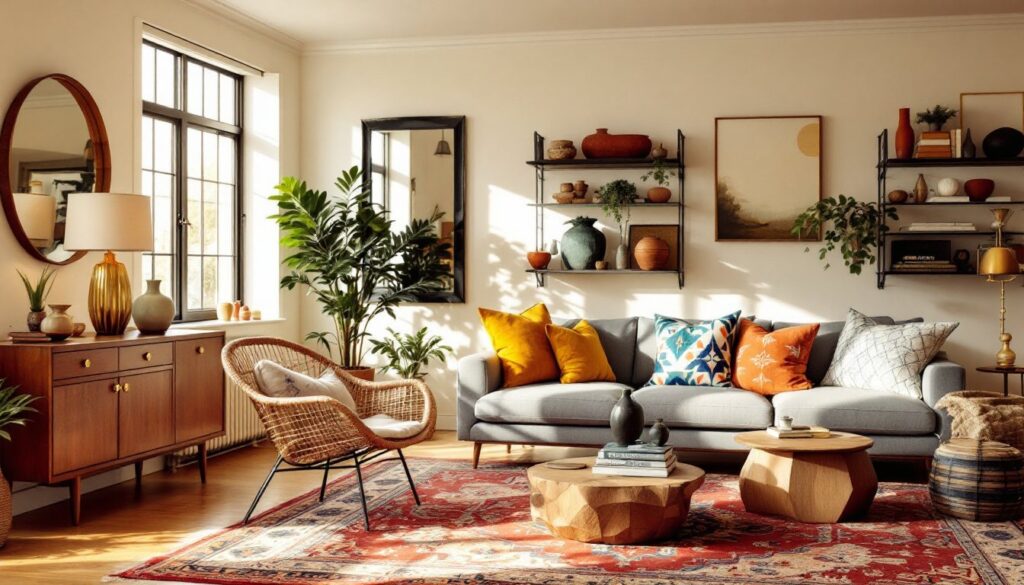
Eclectic interior design isn’t about following a rulebook, it’s about trusting your eye and layering pieces that speak to you, regardless of era or origin. Whether you’re drawn to mid-century modern chairs, vintage rugs, or contemporary art, eclecticism celebrates personality over perfection. This approach has gained serious traction among homeowners who are tired of cookie-cutter spaces and want their homes to reflect who they actually are. If you’ve ever hesitated because mixing styles felt risky or chaotic, this guide walks you through the principles and practical steps to pull off eclectic design confidently. You’ll learn how to blend furniture eras, choose cohesive colors, and source unique pieces without creating visual noise.
Table of Contents
ToggleKey Takeaways
- Eclectic interior design celebrates intentional curation over rigid rules, allowing you to blend furniture from different eras, cultures, and aesthetics into one cohesive space.
- Balance is essential: aim for roughly 60% neutral foundational pieces and 40% bolder accents to prevent visual chaos while maintaining interest.
- Establish a unifying thread through color, material, or era to anchor your eclectic space and prevent it from feeling scattered or random.
- Mix patterns and colors confidently by combining different scales and ensuring shared colors harmonize; start with 2–3 dominant colors throughout your space.
- Source unique pieces slowly from estate sales, thrift stores, and antique shops, prioritizing quality furniture over filling gaps quickly and budgeting for restoration costs.
- Begin with a mood board to identify your instinctive aesthetic preferences, then build around statement pieces using complementary items that share visual weight or material commonality.
What Is Eclectic Interior Design?
Eclectic interior design style pulls inspiration from multiple periods, cultures, and aesthetics into a single cohesive space. Rather than committing to one strict style, say, all Scandinavian or all industrial, you’re curating a mix. A room might feature a 1970s credenza next to a modern sofa, paired with a Moroccan rug and contemporary light fixture.
The beauty of eclectic style interior design lies in its flexibility and authenticity. It’s not random chaos: it’s intentional curation. Think of it like building a playlist where jazz, indie rock, and blues coexist because each track serves the overall vibe. What is eclectic interior design at its core? It’s permission to reject “matchy-matchy” design and instead create a space that evolves with your life, tastes, and finds.
This approach works particularly well in homes where different family members have strong aesthetic preferences, or where you’ve inherited meaningful pieces you want to keep. It also suits DIY enthusiasts who love hunting for secondhand treasures and want to showcase them proudly rather than hide them in a minimalist box.
The Core Principles of Eclecticism
Pulling off eclectic design successfully hinges on a few non-negotiable principles. First: balance. If you layer too many competing patterns, colors, and shapes, your space becomes visually exhausting rather than interesting. Aim for roughly 60% neutral or foundational pieces (walls, large furniture) and 40% bolder or accent items.
Second: intentionality. Every piece should earn its place. Ask yourself: Do I genuinely love this, or am I just adding filler? Eclectic doesn’t mean hoarding: it means selectivity with soul.
Third: a unifying thread. This might be color (pulling warm tones throughout), material (wood, brass, or concrete), or era (mixing 1970s and 1980s with modern pieces). This anchor prevents the room from feeling scattered. Many designers link eclecticism to elegant interior styling, where individual taste guides arrangement rather than rigid formulas.
Fourth: scale and proportion. Mixing oversized vintage pieces with delicate modern accents creates visual interest. A chunky mid-century sofa looks intentional next to slim, contemporary chairs, not careless.
Choosing Your Color Palette and Mixing Patterns
Color is where eclecticism either sings or screams. Start by selecting 2–3 dominant colors that will appear throughout your space. These anchor everything else. If your base is warm neutrals (cream, beige, warm gray), you’ve got flexibility to add jewel tones, earth tones, or even pastels as accents.
Pattern mixing requires confidence but follows logic. Combine patterns of different scales: a large geometric rug with smaller floral cushions, or bold stripes with delicate botanical prints. If one pattern is busy, balance it with calmer, solid-colored pieces nearby. A rule of thumb: if two patterns share a color, they’re more likely to harmonize than clash.
Research from MyDomaine and similar design sites shows that successful eclectic spaces often lean into unexpected color combinations, think teal and rust, or blush and olive, because these feel intentional rather than accidental. You can experiment safely by starting with a smaller room (a bedroom or office) before committing to a living area. Paint a feature wall, add a patterned rug, or introduce a bold accent chair. Live with it for a week before adding more layers.
Blending Furniture Styles and Eras
Mixing furniture from different decades is the backbone of eclectic design. A 1960s credenza, a modern glass coffee table, and vintage wicker chairs in the same living room work when they share visual weight or material commonality. Brass hardware, natural wood, or black frames can tie disparate pieces together.
Start with one statement piece, perhaps a vintage sofa in mustard velvet or a reclaimed wood dining table. Build around it with complementary but different items. If your statement piece is ornate, balance it with clean-lined modern pieces. If it’s minimal, you can afford bolder accessories.
Scale matters tremendously. Pairing a massive vintage sectional with tiny, delicate side tables creates awkward proportions. Instead, choose medium-scale or large modern pieces that feel like they belong in the same room. Many homeowners find Art Deco Interior Design principles helpful here, bold, geometric pieces add drama without requiring everything else to match their era.
Sourcing Unique Pieces: Where to Find Them
Finding one-of-a-kind furniture is part of the fun. Estate sales, thrift stores, online marketplaces like Facebook Marketplace or Craigslist, and local antique shops are goldmines. Check for solid construction: rock the chair, check for loose joints, and inspect wood for water damage or warping. Online platforms like Domino showcase styled eclectic rooms that often credit sources, giving you hunting ideas.
Be prepared to refinish or reupholster pieces. A $50 wooden chair might need $200 in upholstery work, but you end up with exactly what you envisioned rather than mass-produced alternatives. Always factor restoration costs into your budget. Buy slowly, verify measurements before delivery (especially for large pieces), and don’t feel pressured to fill every gap immediately. Living with negative space is far better than forcing pieces that don’t belong.
Practical Tips for Getting Started with Eclectic Design
Start by auditing what you already own. Likely, you have pieces from different eras that you love, pull them out and photograph them together. This visual reference guides your future purchases and reveals your instinctive aesthetic preferences.
Create a mood board (digital or physical) collecting images, fabric swatches, and color samples. Pinterest works, but so does a folder on your phone. Over a few weeks, patterns emerge: maybe you gravitate toward warm woods and jewel tones, or cool metals and pastels. Let this guide your palette and sourcing strategy.
When in doubt, lean on existing design frameworks. Modern Interior Design principles, clean lines, functional minimalism, can anchor eclectic spaces. Alternatively, many successful eclectic rooms incorporate Scandinavian Interior Design elements like light wood, cozy textiles, and airy layouts, then layer bolder accents on top.
Don’t overthink paint color initially. Neutral walls (warm or cool white, soft gray, or even warm taupe) let your furniture and accessories shine. You can always add a feature wall or mural later once you’ve settled the foundational pieces. Invest first in large items, sofa, bed, dining table, and build accessories around them. Accessories are forgiving: furniture is not.
Budget-conscious shoppers benefit from mixing high-quality statement pieces with budget-friendly basics. One investment-grade vintage chair paired with affordable modern side tables balances impact and cost. House Beautiful regularly features mixed-era rooms that show this balance clearly. Accept that eclectic design requires patience: you’re not furnishing a room in one weekend. The evolution is part of the charm.
Conclusion
Eclectic interior design puts you in control. It’s not about trends or Instagram perfection, it’s about creating a home that reflects your life, your finds, and your tastes. By honoring balance, choosing a unifying color thread, and sourcing pieces intentionally, you can confidently mix eras and styles without the result feeling scattered. Trust your eye, start small, and give your space room to breathe as it evolves. Your home should tell your story, not a designer’s template.