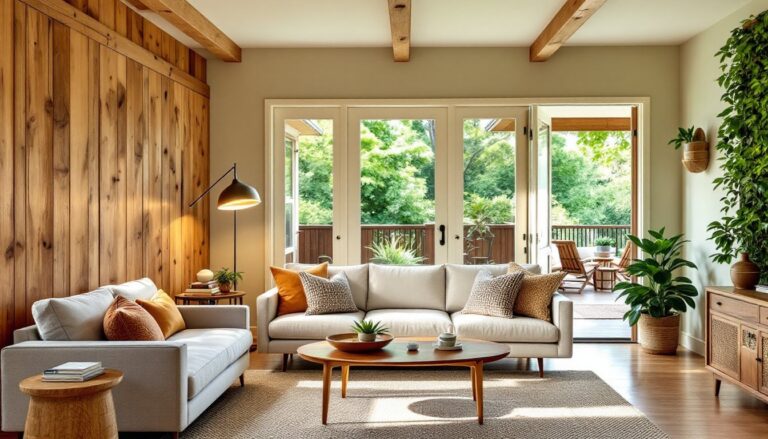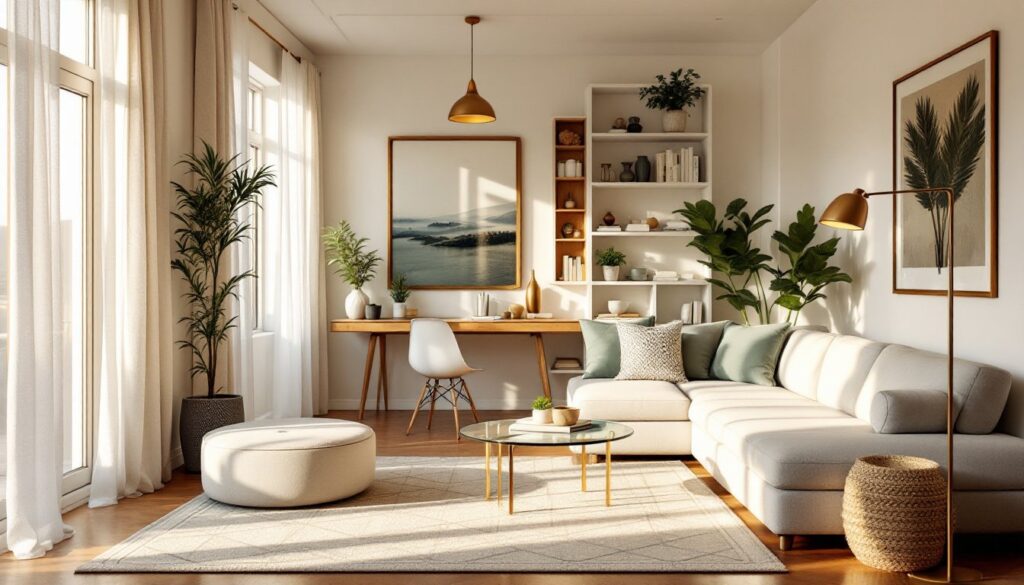
Living in a small apartment doesn’t mean sacrificing style or functionality. In 2026, smart interior design ideas are making it easier than ever to transform cramped quarters into comfortable, inviting spaces. Whether you’re working with a studio, one-bedroom, or a modest two-bedroom layout, the right approach to design can make your apartment feel open, organized, and genuinely livable. This guide walks you through practical strategies that go beyond quick fixes, focusing on spatial awareness, smart furniture choices, and design principles that actually work in small footprints. Ready to maximize every square foot?
Table of Contents
ToggleKey Takeaways
- Interior design ideas for small apartments start with maximizing vertical space—install floor-to-ceiling shelving and use tall furniture to draw the eye upward and create the illusion of height.
- A cohesive 2–3 color palette using light, neutral tones on walls and bold accents on accessories makes small spaces feel airier and more intentional without overwhelming the visual field.
- Invest in multi-functional furniture like storage ottomans, sofa beds, and nesting tables that earn their footprint through dual purpose, preventing clutter and wasted space.
- Layered lighting with ambient, task, and accent fixtures creates depth and prevents the flat, cramped feeling of relying on a single overhead light.
- Mirrors and reflective surfaces like glass tabletops or metallic finishes amplify natural light and make rooms feel twice as deep at minimal cost.
- Define open-concept spaces using area rugs, strategic furniture placement, and zone-specific lighting rather than walls to maintain openness while creating visual organization.
Use Vertical Space And Strategic Storage
Small apartments live or die by how well you exploit vertical real estate. The walls above eye level are free square footage most people ignore. Install shelving units that stretch floor-to-ceiling, especially in corners or above doorways. Tall, narrow bookcases work better than squat dressers in tight spaces, they draw the eye upward and create the illusion of height.
Storage must be intentional. Under-bed containers, wall-mounted cabinets, and fold-down desks all serve double duty: they store things while consuming minimal floor space. Floating shelves eliminate the visual weight of traditional furniture legs, making rooms feel less cluttered. Over-the-door shoe organizers, hooks on the back of closet doors, and magnetic strips on the refrigerator all sound basic, but they’re the difference between a chaotic studio and a functional home.
The key is having a place for everything. A 400-square-foot apartment can’t afford to have items living on surfaces or crammed into corners. Drawer dividers, storage bins, and labeled containers aren’t just pretty, they’re survival tools. Measure twice before buying storage furniture: a misfit cabinet wastes space faster than anything else.
Choose A Cohesive Color Palette
Color is the cheapest design tool you have, and it’s also the easiest mistake to make. Small spaces need cohesion. If every room is a different color, the apartment shrinks psychologically. Pick a neutral base, soft whites, warm grays, or gentle beiges work across most lighting conditions, then add personality through a secondary color and accent tones.
Light colors reflect more light and make spaces feel airier. This doesn’t mean painting everything white: it means using lighter tones on walls and larger surfaces, then going bolder with accessories and artwork. A pale sage wall paired with deeper green throw pillows and botanical prints feels intentional, not sterile. Consistency matters: same color family on walls, larger furniture pieces, and textiles creates visual harmony.
Two- to three-color palettes work best for apartments under 600 square feet. Too many colors fragment the space and stress the eye. If you love variety, rotate seasonal accents, throw pillows, artwork, and small decor items can shift without repainting. This keeps the home fresh without overwhelming the bones of your space.
Invest In Multi-Functional Furniture
Multi-functional furniture is the secret weapon for small-space living. A storage ottoman serves as a footrest, seat, and hidden storage in one footprint. A sofa bed doubles as guest sleeping space without a dedicated bedroom. A console table behind a couch creates desk space, dining surface, and storage without stealing square footage from living areas.
When shopping, prioritize pieces that stack or nest. Stackable chairs fit under tables. Nesting tables expand when needed and collapse when they don’t. A murphy bed or wall bed frees up an entire room’s worth of daytime space. These solutions cost more upfront but save you from the clutter trap of furniture sprawl.
Measure doorways and pathways before buying anything. A beautiful sofa means nothing if it doesn’t fit through the door. Ask about returns, delivery, and assembly, moving large pieces in older buildings with narrow hallways requires planning. Small Kitchens: Creative Solutions face similar constraints, and the same principle applies: every piece must earn its space through function or beauty, ideally both.
Optimize Lighting For Depth And Openness
Lighting makes or breaks small spaces. A single overhead fixture casts harsh shadows and flattens a room. Layered lighting, ambient, task, and accent, creates depth and makes rooms feel larger. Use ceiling lights for general illumination, desk or table lamps for work areas, and wall sconces or floor lamps for evening ambiance.
Light color temperature matters too. Warm white (2700K) feels cozy but can make small rooms feel darker. Bright white (4000K) or even cool white (5000K) energizes the space without cold harshness when paired with warm wood tones and soft furnishings. LED bulbs last longer and run cooler, crucial in apartments where ventilation is tight.
Window treatments deserve attention. Sheer curtains filter light while maintaining openness: heavy drapes shrink a room visually. Hang curtain rods high and wide to frame windows generously, even if it means covering wall space. The psychological effect of bigger window frames outweighs the lost wall real estate. Scandinavian Interior Design: Transform principles emphasize maximizing natural light, a strategy that works beautifully in small footprints where artificial lighting can’t do all the heavy lifting.
Incorporate Mirrors And Reflective Surfaces
Mirrors are cheap visual magic. A large mirror opposite a window bounces light around and makes the room feel twice as deep. Don’t hide mirrors in bathrooms, mount them on walls in living areas, bedrooms, or hallways. A 4-foot mirror costs $30–$100 and instantly expands the perceived space.
Go beyond traditional mirrors. Metallic finishes on accessories, glass tabletops, and glossy cabinet fronts all reflect light and add visual interest without adding volume. A glass-top dining table takes up the same footprint as a solid table but feels less heavy and lets you see the floor beneath it. Mirrored backsplashes in small kitchens bounce light and add depth with zero footprint cost.
Placement is strategic. Mirrors facing windows multiply natural light. Mirrors on walls opposite artwork or plants reflect color and life into the space. Avoid placing mirrors where they reflect clutter or create endless repetitive reflections, that tricks the eye in an unsettling way. Done right, mirrors add depth and openness without a single structural change.
Define Zones Without Walls
Open-concept small apartments need zones even without walls. Use area rugs to define living, dining, and sleeping spaces, a rug under the sofa defines the living room, a rug under the dining table claims that area. The visual separation is real even though the space is shared. Choose rugs with distinct boundaries: shaggy rugs blur zones, while flat-weave rugs with clear edges define them.
Furniture arrangement creates boundaries too. A bookshelf, console table, or credenza positioned perpendicular to the main living space creates a visual divider without blocking light or sightlines. This is especially effective in studio apartments where the bedroom area needs separation from the main living space. A curtain rod with a lightweight curtain can hang from the ceiling to divide without permanent walls.
Lighting zones also work. A pendant light over the dining area, a table lamp in the bedroom corner, and track lighting over the seating area each define their territory. Modern Interior Design: Transform often uses this layered approach, combining rugs, furniture placement, and targeted lighting to create distinct zones within open plans. The result feels intentional and organized without the claustrophobia of walls.
Conclusion
Small apartments reward smart design thinking. By maximizing vertical space, choosing cohesive colors, investing in multi-functional pieces, layering your lighting, using mirrors strategically, and defining zones creatively, you’re not just filling square footage, you’re building a space that works as hard as you do. These principles aren’t complicated, but they require intentionality. Every piece, color, and light fixture should earn its place. Start with one or two changes, then build from there. Your small space can become your favorite space.