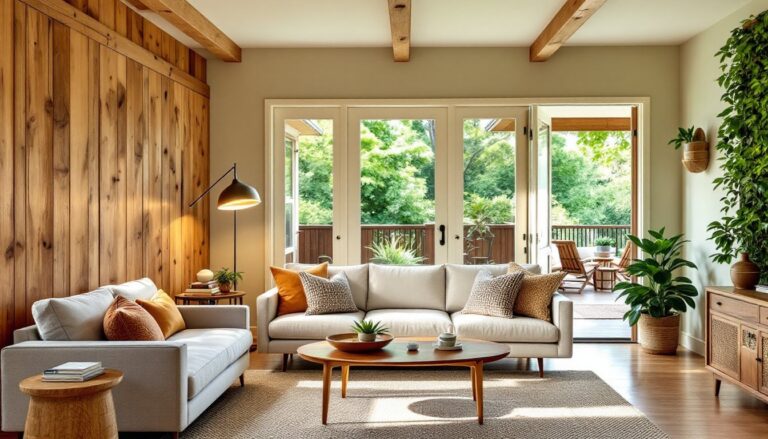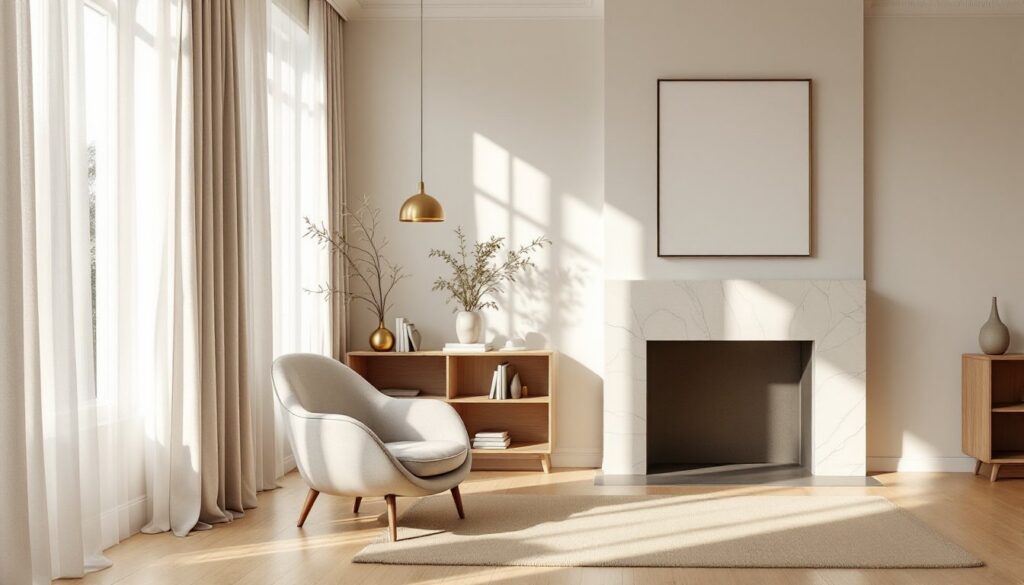
Modern French interior design strikes that rare balance between sophisticated heritage and clean, unfussy living. It’s not about velvet settees or gold-trimmed mirrors, that’s classical French. Instead, it weaves together minimalist restraint with carefully chosen details that whisper elegance rather than shout it. This approach resonates with today’s homeowners who want their spaces to feel refined and lived-in, not frozen in time. If you’re drawn to understated luxury, architectural integrity, and the kind of design that feels timeless in 2026 and beyond, modern French style offers a framework that works across any home.
Table of Contents
ToggleKey Takeaways
- Modern French interior design balances minimalist restraint with carefully chosen details, prioritizing quality over quantity and letting architectural bones shine as the room’s main feature.
- The modern French color palette relies on soft neutrals like warm grays, taupe, and cream as a foundation, with accent colors appearing deliberately and sparingly for sophisticated, timeless appeal.
- Furniture selection emphasizes silhouette and proportion over decoration, using natural materials like linen and wood, with pieces arranged functionally in the room’s center rather than against walls.
- Lighting serves as a structural design element in modern French interiors, using warm, dimmable layers of light from pendant fixtures, sconces, and lamps to create calm, refined spaces.
- Accessories and textiles should be curated ruthlessly—one statement piece among neutrals beats multiple competing elements, keeping visual focus sharp and rooms from descending into clutter.
- Start modernizing your French interior by establishing strong bones with soft neutral walls, investing in key quality pieces, and regularly editing to maintain the intentional, timeless aesthetic.
The Core Principles of Modern French Design
Modern French design rests on a foundation of restraint paired with intention. Every piece earns its place. Rather than filling rooms with ornament, the French approach layers in negative space, letting walls breathe, keeping floors visible, and choosing each item with clear purpose.
This philosophy stems from the idea that quality trumps quantity. A single linen armchair positioned near a window beats five mediocre pieces scattered around. The bones of the room, walls, floors, architectural details, become the star. Decoration enhances them rather than competing with them.
Balancing Minimalism With Sophisticated Details
The trick isn’t pure minimalism: it’s selective maximalism. One wall might feature elegant interior styling through vintage artwork or a statement bookshelf, while the rest of the room stays calm. A room might have clean lines and open floor space, then feature intricate molding at the ceiling or a marble fireplace surround that draws the eye upward.
Think of it as editorial restraint. A magazine page doesn’t work when every inch is covered, the layout needs breathing room for the featured items to stand out. Modern French interiors follow this same visual hierarchy. You notice one beautiful item before moving to the next, rather than processing visual chaos all at once.
Color Palettes That Capture French Refinement
The modern French palette leans neutral with confidence. Soft whites, warm grays, taupe, and soft blacks form the foundation, not because color is forbidden, but because restraint makes color more powerful when it arrives.
Accent colors appear deliberately. A deep charcoal or navy blue might define a single accent wall or frame a doorway. Muted sage green works as wall paint in a bedroom. Soft terracotta or warm ochre appears in artwork or upholstery rather than covering large surfaces. These aren’t Instagram-worthy jewel tones: they’re sophisticated, slightly desaturated colors that age beautifully and feel calm rather than trendy.
Naturals dominate: cream, ivory, light gray, warm taupe. These shades complement natural light without fighting it. When your walls are a soft, warm white-gray, any artwork, furniture, or textile stands out. The color palette becomes a canvas rather than a competition.
Lighting affects how these neutrals read. Cool artificial lighting makes warm grays look dingy: warm, diffused light makes them glow. This is why the French invest in quality lighting, color and light are inseparable.
Furniture Selection and Layout Strategies
Modern French furniture prioritizes silhouette and proportion over decoration. A chair is recognized by its frame shape, not by applied ornamentation. Upholstery is often linen or linen-blend in neutral tones, sometimes with subtle texture woven into the fabric.
Curve and geometry appear intentionally. You might see a sofa with gently curved arms, a side table with tapered legs, or a curved-back dining chair, each detail chosen for visual interest without fuss. Furniture sits away from walls, creating a conversational grouping in the center of the room rather than hugging perimeters. This takes courage in smaller spaces but feels more intentional.
Storage is built-in or seamlessly integrated. Open shelving shows carefully curated books and objects. Cabinetry has clean lines and often stretches to the ceiling, creating visual height. Floating shelves remain sparse, a few art books, a sculptural object, a plant. The goal is always less, more deliberately.
Lay out rooms functionally first. A sitting area needs seating that faces each other or a focal point. A dining zone needs a table and chairs with clear sightlines. Odd floating furniture creates visual confusion: purposeful placement creates calm. Modern interior design that respects how people actually live works better than Instagram-perfect arrangements no one can use.
Materials and Textures: Natural and Luxe Elements
Materiality matters deeply in modern French interiors. The palette mixes humble and refined, never all-rough or all-polished. Natural wood (oak, walnut, pale oak) appears in flooring, furniture, and ceiling details. Stone, marble, limestone, concrete, shows up as flooring, fireplace surrounds, or countertops. Linen, cotton, and wool fabrics breathe naturally. Leather in muted tones reads sophisticated without gloss.
Luxe elements enter quietly. A marble table, a brass light fixture, or a mirror with a slim brass frame adds refinement without shouting expense. These touches feel earned, not indulgent, they’re chosen for beauty and longevity, not status signaling.
Texture creates visual depth when the color palette is neutral. A raw linen curtain, a chunky knit throw, a woven jute rug, smooth plastered walls, polished wood, the interplay between these surfaces keeps a room from feeling flat. Run your hand across different textures in the space: that tactile variety is part of the French approach.
Finishes are often matte or satin rather than glossy. A matte-finish metal picture frame, satin-finish painted walls, or unsealed wood floors create a softer, more collected feeling than high-gloss surfaces. This preference for matte finishes ties to the overall philosophy: elegance whispers: it doesn’t gleam.
Lighting and Accessories as Design Anchors
Lighting is structural in modern French design, not an afterthought. Pendant lights over a dining table, wall sconces flanking a mirror, or a floor lamp beside a reading chair serve both function and form. Brass, brushed nickel, or simple black metal fixtures fit the aesthetic, nothing ornate, everything proportionate.
Layers of light matter. Overhead fixtures provide general illumination, task lighting enables function, and ambient lighting (table lamps, candles, dimmer switches) creates mood. Modern French spaces rarely feel harshly lit: warm, adjustable lighting supports the calm aesthetic.
Accessories stay disciplined. Artwork on walls should feel curated, not gallery walls plastered edge-to-edge, but intentional pieces with breathing room. A single large painting or three smaller works arranged thoughtfully. Mirrors reflect light and expand space: a mirror in a simple frame becomes both functional and decorative.
Objects on shelves and tables follow the same rule: less, chosen with intention. Three books stacked, a sculptural object, a single plant. This restraint lets each piece shine. When every surface holds trinkets, nothing stands out.
Textiles anchor rooms softly. A wool throw on a chair, linen curtains, a natural fiber rug, these create warmth without clutter. Interior design styles rooted in modern French tradition often feature one statement textile (a patterned throw, a striped pillow) among neutrals, keeping visual focus sharp.
Bringing Modern French Style Into Your Home
Start with the bones. Paint walls a soft, warm neutral, not stark white, but something like warm greige or soft off-white. Let this foundation settle in before adding color. Good bones make every subsequent choice easier.
Invest in a few key pieces. A quality sofa in neutral linen, a solid wood dining table, a well-proportioned mirror. These anchor the space and will outlive trends. Skip the fast-furniture approach: one excellent chair beats five mediocre ones.
Layer in texture through textiles and natural materials. A jute rug, linen curtains, a chunky-knit throw. These warm up neutral palettes instantly. Run your hand across fabrics before buying: if it feels cheap or plasticky, skip it. The French care about how things feel, not just how they look.
Light properly. Replace any harsh overhead fixtures with warm, dimmable options. Add a bedside lamp, a floor lamp in a reading corner, and wall sconces if your budget allows. This investment pays dividends in how the space feels.
Curate your accessories ruthlessly. Hang artwork with intention, not covering walls, but creating focal points. Keep shelves spare. One book spine facing out, one sculptural object, one plant. Candles in simple holders provide ambient light and softness. Resources like Dwell and MyDomaine showcase modern spaces worth studying for proportion and restraint.
Edit regularly. Modern French style isn’t static: it’s refined. Every season, walk through your rooms and ask: does this earn its place? Does it serve function or beauty? Remove anything that doesn’t answer yes. This practice keeps spaces from devolving into clutter and maintains the intentional, curated feeling that defines the style.