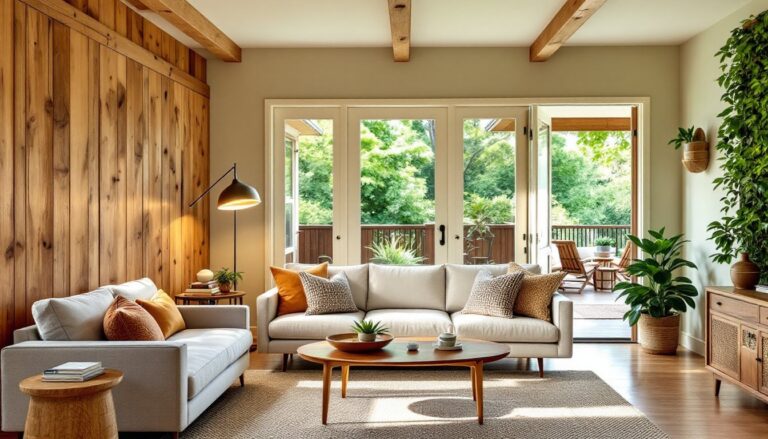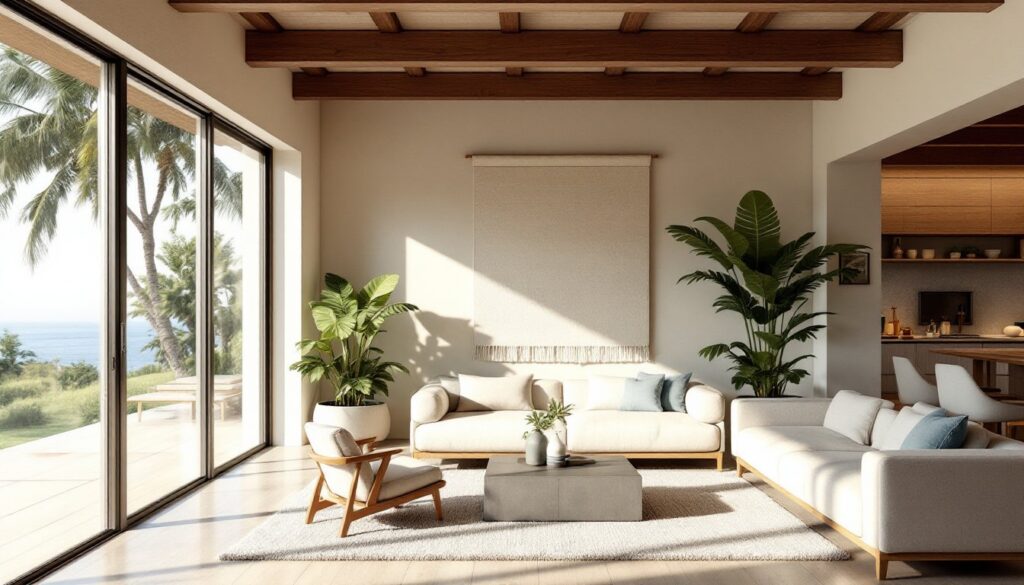
Modern Hawaiian interior design blends the relaxed spirit of island living with contemporary design principles, creating spaces that feel both sophisticated and inviting. Unlike traditional Hawaiian décor that leans heavily on cultural iconography, this approach strips away excess and focuses on clean lines, natural light, and the raw beauty of organic materials. Whether you’re renovating a full home or updating a single room, adopting these design elements can transform any space into a peaceful island retreat. The best part? You don’t need a beachfront property to achieve this aesthetic, thoughtful material choices, strategic color selection, and smart layout planning bring the aloha spirit indoors, anywhere you live.
Table of Contents
ToggleKey Takeaways
- Modern Hawaiian interior design combines minimalist principles with natural materials and island-inspired aesthetics, creating spaces that feel sophisticated and peaceful without ornamentation.
- A restrained color palette of warm neutrals, ocean blues, volcanic blacks, and muted greens drawn from the landscape defines modern Hawaiian interiors, with strategic pops of color rather than bold walls.
- Natural materials including wood, stone, concrete, and eco-friendly textiles like linen, cotton, and bamboo form the foundation of authentic modern Hawaiian spaces while avoiding plastic and heavily processed finishes.
- Open floor plans with minimal, purposefully arranged furniture prioritize functionality and natural light, allowing wood grain and organic textures to become the focal points rather than decorative accessories.
- Indoor plants and greenery are essential design elements that reinforce connection to nature; focus on native, low-maintenance varieties placed by light needs rather than aesthetic preference to keep them thriving.
- Five accessible DIY projects—wood accent walls, reclaimed floating shelves, woven wall hangings, concrete planters, and stone borders—allow homeowners to achieve modern Hawaiian style on any budget without professional help.
The Essence of Modern Hawaiian Design
Modern Hawaiian design represents a departure from ornate, tourist-friendly aesthetics toward something purer and more functional. It’s rooted in understanding how island residents actually live: embracing natural materials, celebrating openness, and respecting the environment. Think of it as Hawaii’s version of minimalist design, less clutter, more impact.
The foundation of this style is connection to nature without ornamentation. Bare wood beams (called ‘ōpala in traditional Hawaiian building) become focal points rather than hidden structural elements. Exposed stone, unpolished concrete, and weathered finishes replace glossy, artificial surfaces. The approach honors the landscape and climate of the islands while maintaining the clean aesthetic of contemporary interiors. Contemporary award-winning designs like the Kona Residence exemplify how modern Hawaiian spaces balance open-air living with purposeful design.
Key principles include maximizing natural light through large windows and open floor plans, creating indoor-outdoor flow with sliding glass doors and lanai spaces, and using a restrained material palette that lets natural textures shine. Unlike modern interior design that can feel cold or sterile, Hawaiian modernism adds warmth through organic finishes and a connection to place.
Color Palettes That Capture Island Living
The color story in modern Hawaiian interiors draws directly from the landscape: ocean blues, volcanic blacks, sand neutrals, and lush greens. But, the execution is restrained. Rather than painting an entire wall turquoise, you’ll use it as an accent or let natural lighting shift the perception of neutral tones throughout the day.
Start with a foundation of warm neutrals, cream, soft taupe, or pale grey, that reflect both sand and plaster finishes common to island architecture. These form the backdrop for strategic pops of color. Incorporate ocean blues through textiles, a single accent wall, or large artwork. Volcanic black (often appearing as dark wood or stone) grounds spaces and adds sophistication. Greens work best in muted, earthy tones rather than bright tropical versions: think sage, moss, or the subdued green of native Hawaiian plants.
Lighting dramatically affects color perception in Hawaiian design. Large, unobstructed windows mean colors shift throughout the day, creating a dynamic space without repainting. Use warm-toned light bulbs (2700K) in evening spaces to maintain that island warmth. Cool whites (4000K) in task areas like kitchens keep things crisp and functional.
Natural Materials and Textures for Authentic Spaces
Material authenticity is non-negotiable in modern Hawaiian design. The challenge isn’t finding island-specific materials, it’s sourcing quality versions that work in your climate and budget.
Wood is foundational. Koa and native Hawaiian hardwoods are expensive and often protected, so many designers use teak, walnut, or locally-sourced reclaimed wood instead. These develop character over time and patina beautifully. Use wood for flooring, exposed beams, cabinetry, and furniture: let it show grain and natural imperfections rather than over-finishing it.
Stone and concrete add texture and thermal mass. Basalt (volcanic stone) or slate work well for flooring or feature walls. Polished concrete acts as a modern alternative to traditional stone, offering clean lines while maintaining that raw, elemental feel. Limit stone to 20–30% of a room to avoid a heavy, cold appearance.
Textiles bring softness. Choose natural fibers, linen, cotton, jute, and sisal, in undyed or naturally dyed versions. Woven patterns inspired by Hawaiian quilts work in throw pillows or wall hangings, but avoid anything that reads as costume or kitsch.
Cork and bamboo function as sustainable accents. Cork flooring or wall treatments add warmth and acoustic properties. Bamboo appears in screens, furniture, or accent walls. Both materials are eco-friendly and align with Hawaiian values of environmental stewardship.
Avoid plastic, chrome, and heavily processed materials that contradict the design’s core philosophy.
Key Furniture and Layout Strategies
Modern Hawaiian interiors prioritize open floor plans and flexible layouts. Furniture should be minimal, functional, and beautifully crafted rather than decorative.
Layout principles: Arrange seating to promote conversation and views of outdoor spaces when possible. Remove unnecessary pieces that create visual clutter. If a room feels tight, it likely has too much furniture. A living area might contain only a sofa, a few chairs, a coffee table, and a console, nothing more.
Furniture styles lean toward mid-century modern and contemporary pieces with clean lines. Look for items with tapered legs (which improve sightlines and flow), natural wood frames, and minimal embellishment. A teak lounge chair, a linen sofa, or a walnut dining table become the hero pieces in these spaces. Avoid fussy upholstery patterns: let wood grain and natural color variations do the talking.
Storage should be integrated and concealed when possible. Built-in shelving or cabinetry keeps surfaces clear. If you’re displaying items, art, books, ceramics, follow the principle of negative space: surround objects with emptiness rather than crowding shelves.
Compare this approach to Japandi interior design, which shares similar minimalist principles but emphasizes coziness. Hawaiian modernism leans slightly more toward openness and airiness.
Bringing Nature Indoors with Plants and Greenery
Plants aren’t decoration in modern Hawaiian spaces, they’re essential to the design. They filter air, add movement and texture, and reinforce the connection to the natural world.
Native and island-appropriate plants work best. Ferns (especially Boston and bird’s nest varieties), dracaena, snake plants, and philodendrons thrive indoors and tolerate moderate to low light. Avoid tropical showstoppers like birds of paradise or hibiscus unless you have bright, controlled light: they often look stressed in typical homes and read as forced.
Placement matters. Large plants (3–4 feet tall) work in corners or beside windows to create vertical interest without blocking sightlines. Smaller plants on shelves or floating planters add greenery at eye level. Hanging vines or trailing plants soften hard lines of shelving or cabinetry.
Containers should be simple and natural, terracotta, concrete, or matte ceramics in neutral tones. Avoid decorative pots with patterns or glossy finishes: they compete with the plant and detract from the minimalist aesthetic.
One practical tip: group plants by light needs rather than aesthetic preference. This ensures they thrive and don’t become brown-leaved eyesores. Healthy plants are beautiful plants.
DIY Decor Projects to Get Started
You don’t need a professional designer to carry out modern Hawaiian style. Several straightforward projects can shift your space toward this aesthetic.
1. Accent Wall with Wood Paneling
Install horizontal shiplap or board-and-batten in natural wood (or paint it soft grey). This adds warmth and texture without overwhelming a room. Measure carefully, ensure studs are plumb and level, and use 2-inch stainless steel screws for longevity. Choose wood that’s been kiln-dried to 8–12% moisture content to prevent warping.
2. Floating Shelves from Reclaimed Materials
Source reclaimed wood or old barn beams, have them planed smooth, and mount them on quality L-brackets (rated for 50+ lbs per bracket minimum). Use a stud finder to locate wall studs and anchor shelves securely. This creates display space without a built-in cost.
3. Woven Wall Hanging
Purchase natural macramé cord or sisal rope and create a large hanging piece using basic knots. Patterns inspired by Hawaiian quilts (diamond, chevron) work well. Mount on a driftwood branch or wooden dowel. No special tools required, just patience and basic knot knowledge.
4. DIY Concrete Planter
Mix concrete according to package directions, pour into a mold (a cardboard box works), and embed a smaller container inside for the actual plant pot. Once cured, peel away the mold. Paint it soft grey if desired. This creates a statement piece for large plants.
5. Stone or Pebble Accent Border
In a bathroom or entryway, create a low-profile border using small pebbles or slate pieces adhered with outdoor-rated adhesive. This adds texture and subtly evokes a beach aesthetic without looking contrived.
All these projects require basic tools: a drill, level, measuring tape, and sandpaper. Take time with prep work, measure twice, install once. Most projects cost under $100 and take a weekend or two.
Conclusion
Modern Hawaiian interior design offers a pathway to create serene, functional spaces that feel connected to nature. By focusing on natural materials, restrained color palettes, thoughtful layouts, and a deep respect for simplicity, any homeowner can bring island-inspired calm into their environment. Start small, refresh a single room or refresh one section of your living space. Add layers gradually, remove what doesn’t serve you, and let the space breathe. The result isn’t just a beautiful room: it’s a sanctuary that encourages you to slow down and appreciate what truly matters. For more design inspiration across interior design styles, explore how modern Hawaiian principles can complement other aesthetics in your home. Resources like Dwell and Architectural Digest offer additional modern home design ideas to refine your vision.