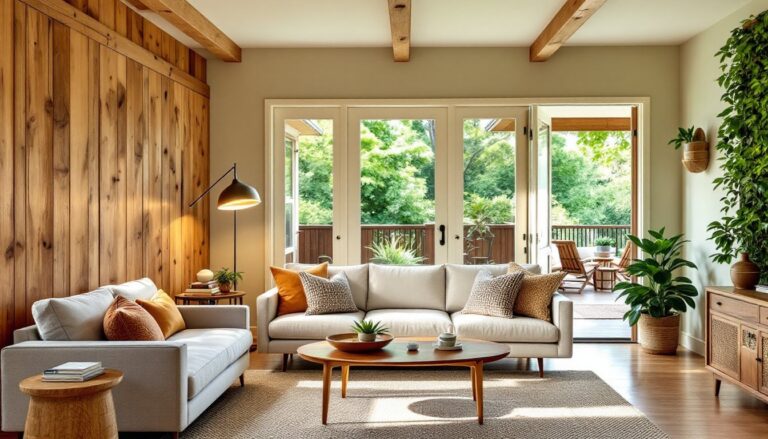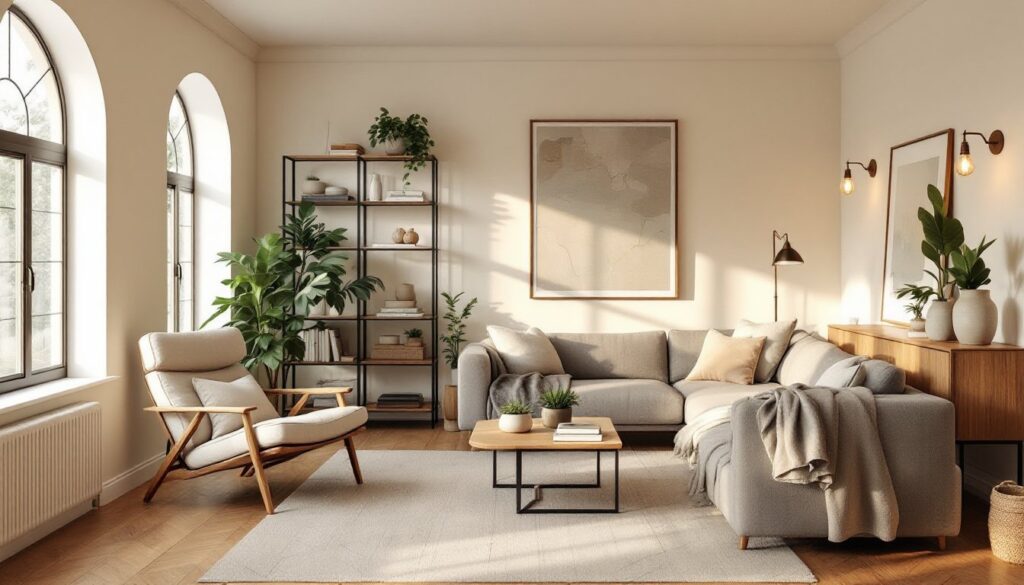
Whether you’re refreshing a single room or reimagining your entire home, understanding modern interior design styles helps you make choices that feel timeless rather than trendy. The year 2026 sees a blend of minimalist restraint, nostalgic mid-century references, and bold personal expression emerging as the dominant movements. These styles aren’t about following rigid rules: they’re about understanding what works functionally in your space and what resonates with how you actually live. This guide walks you through the major contemporary design approaches, minimalism, Scandinavian aesthetics, industrial and mid-century modern, and maximalism, with practical takeaways you can apply whether you’re a seasoned designer or tackling your first room makeover.
Table of Contents
ToggleKey Takeaways
- Modern interior design in 2026 prioritizes intentionality and livability over showroom aesthetics, with every piece serving a functional or emotional purpose in real-world living spaces.
- Minimalism and Scandinavian design dominate contemporary homes—strip essentials and add warmth through natural wood, layered textiles, and a single muted accent color repeated sparingly.
- Industrial and mid-century modern styles offer character through exposed materials (brick, concrete, metal) and bold, warm-toned furniture; source authentic pieces from thrift stores and salvage yards for budget-friendly results.
- Contemporary and maximalist approaches require intentional curation of colors, patterns, and quality pieces—contemporary borrows selectively from multiple styles while maximalism builds visual richness within a cohesive color palette.
- Modern interior design rewards honesty about how you actually use your space and genuine personal style, allowing rooms to evolve naturally over time rather than requiring immediate completion.
- Sustainability is woven into modern design through choosing well-made, durable items and incorporating inherited pieces, thrifted finds, and local elements alongside contemporary furnishings.
What Defines Modern Interior Design Today
Modern interior design in 2026 isn’t a single aesthetic, it’s a philosophy balancing form and function. Unlike postmodern or postindustrial styles that played with irony and eclecticism, today’s modern design prioritizes intentionality: every piece serves a purpose, either structurally or emotionally.
The core elements boil down to clean lines, purposeful color palettes, and quality materials chosen for durability and aging gracefully. You’ll see an emphasis on open space and negative breathing room rather than filling every corner. Lighting plays a starring role, think task lighting that actually works rather than purely decorative fixtures.
One major shift in 2026 is the rejection of “showroom” design. Homeowners want spaces that accommodate real life: kids, pets, work-from-home setups, and actual entertaining. This means incorporating modern interior design principles that prioritize both aesthetics and livability. Storage is celebrated rather than hidden. Surfaces are chosen for how they’ll look after five years of use, not just on move-in day.
Sustainability has also become woven into modern design DNA. That doesn’t necessarily mean buying the priciest eco-materials: it means choosing well-made items that last and avoiding disposable design that trends out in eighteen months. Regional and inherited pieces, family furniture, local ceramics, thrifted finds, now sit comfortably alongside contemporary furnishings in modern spaces.
Minimalism and Scandinavian Design
Core Principles and How to Apply Them
Minimalism and Scandinavian design (which borrows from minimalism but adds warmth) dominate contemporary homes. These aren’t interchangeable, though they share DNA.
Minimalism strips down to essentials: white or neutral walls, furniture with slim profiles, and very limited color accents. It’s unforgiving, every object must justify its presence. A minimalist living room might feature a low-slung sofa, one side table, a floating shelf with five items, and carefully chosen artwork. The goal is visual calm and the absence of visual noise.
Scandinavian design takes minimalism and adds hygge, that Danish word for cozy comfort. Walls stay light (pale grey, off-white, soft blues), but textiles warm things up: a wool throw, linen curtains, sheepskin rugs. Wood furniture, particularly in natural or light finishes, replaces glossy minimalist pieces. Plants appear frequently. The overall feel is serene but livable: there’s room to actually sit and relax without feeling like you’ll disturb a showroom.
To apply minimalist or Scandinavian principles practically:
- Start with purging. Remove 30–40% of what’s currently in the room. Donate or sell items you haven’t used in a year. This isn’t about owning nothing: it’s about owning only what serves you.
- Choose a neutral base. Paint walls in warm whites, soft greys, or pale creams. Keep trim and doors the same color to visually expand the space.
- Introduce quality wood. Natural wood (oak, birch, walnut) in simple, rectangular furniture shapes. Avoid dark stains: light natural tones align with the aesthetic.
- Layer soft textures. Linen throws, wool rugs, cotton pillows. These add comfort without clutter.
- Limit color intentionally. Pick one accent color (muted teal, warm sage, soft rust) and repeat it in no more than three items, a pillow, a plant pot, a piece of art.
Japandi Interior Design blends Japanese minimalism with Scandinavian warmth and represents a natural evolution of these principles. The result is spaces that feel both calming and inviting, harder to achieve than either style alone but deeply rewarding when done well.
Industrial and Mid-Century Modern Styles
Materials, Colors, and Practical Decorating Tips
Industrial and mid-century modern appeal to homeowners who want character and vintage warmth without pursuing full-on retro design.
Industrial style borrows from converted factory lofts and warehouse spaces. Expect exposed brick or concrete, metal accents (steel shelving, black iron pipes used as bookends or curtain rods), large windows, and raw wood. Colors are utilitarian: charcoal, rust, dark brown, and steel grey. Lighting is dramatic, think Edison bulbs, vintage factory pendants, or bare bulbs in wire cages. The style celebrates “bones” and doesn’t apologize for imperfections: a cracked concrete floor or exposed ductwork is a feature, not a flaw.
Mid-century modern pulls from 1950s–1970s design. Furniture has tapered legs, clean angles, and often features mixed materials: a credenza with wood and hairpin legs, an Eames-style lounge chair with molded plastic and metal. Colors are bolder than contemporary minimalism: mustard yellow, teal, burnt orange, and olive green appear in accent chairs or statement walls. Wood tones are typically warm and medium (teak, walnut). Accessories include ceramic pieces, abstract art, and modest sculptural elements.
Practical tips for either style:
- For industrial: Source vintage metal shelving from salvage yards or reproduction industrial furniture from furniture makers. Exposed brick requires no finish work if it’s already exposed: if you’re adding the look, ask a mason before demo work (structural considerations apply). Black metal accents, door frames, light fixtures, tie the scheme together without major investment.
- For mid-century: Thrift stores often have authentic mid-century furniture (dressers, side tables) at reasonable prices. A single statement piece, a prominent chair or console table, anchors the room. Mix in contemporary items so the space feels current rather than frozen in 1965.
- Flooring for either: Polished concrete or sealed concrete floors work beautifully with industrial. Wood floors (warm-toned oak or walnut) suit mid-century. Avoid busy patterns: stick to solid or subtle geometric rugs.
- Walls: Industrial calls for exposed surfaces or deep paint (charcoal, dark grey). Mid-century can handle a bold accent wall (mustard, teal, or warm grey) opposite a neutral side. In both cases, keep artwork spare but impactful, large-scale abstract pieces or vintage industrial prints.
Kitchen Design Trends often incorporate industrial and mid-century elements, mixing stainless steel appliances with wood cabinetry or open shelving supported by steel brackets.
Contemporary and Maximalist Approaches
Contemporary design is intentionally broad, it means “of the current time” and borrows from any style that serves the project. A contemporary living room might pull Scandinavian simplicity, mid-century furniture, industrial metal accents, and maximalist color all in the same room. The thread connecting everything is intentional curation and quality execution.
Contemporary spaces prioritize cohesion through materials and a unified color story rather than a single recognizable aesthetic. You might see a room with light wood floors, warm-toned walls, brushed metal fixtures, upholstered seating in neutral linen, and artwork that ranges from abstract to figurative. The mix works because each item is well-made and complements the overall mood.
Maximalism, by contrast, is the antidote to minimalism. Rather than subtract, maximalists layer, color, pattern, and personality. A maximalist bedroom might feature patterned wallpaper, a boldly colored bedframe, several area rugs, vintage and contemporary art on walls, books stacked on shelves and nightstands, plants in every corner, and textiles in competing but harmonious colors. The goal is visual richness and a space that tells the story of who lives there.
Maximalism requires restraint in a different way: choosing patterns and colors that genuinely work together rather than everything being “loud.” Successful maximalist spaces often build around a cohesive color palette (say, jewel tones: emerald, sapphire, amethyst) and layer within that family. Negative space still matters, a wall of white or a large mirror, or the room becomes chaotic rather than rich.
Elegant Interior Styling principles apply equally to contemporary and maximalist spaces. In both cases, the goal is intentional styling where each element contributes to the overall vision. For contemporary, that means restraint. For maximalism, it means purposeful abundance.
Sources like modern home decor ideas and inspiration and interior design resources showcase how designers balance both contemporary simplicity and maximalist richness in real homes.
Conclusion
Modern interior design in 2026 rewards honesty: honest about how you actually use your space, honest about your budget, and honest about what makes you feel at home. Whether you lean minimal and calm, industrial and characterful, mid-century warm, or bold and eclectic, the strongest spaces start with clear intent and quality basics. Begin with one room, establish your foundational palette and furniture, then layer in textiles, lighting, and personal pieces. Skip the pressure to “finish” a room immediately, the best modern spaces evolve over time as you live in them.