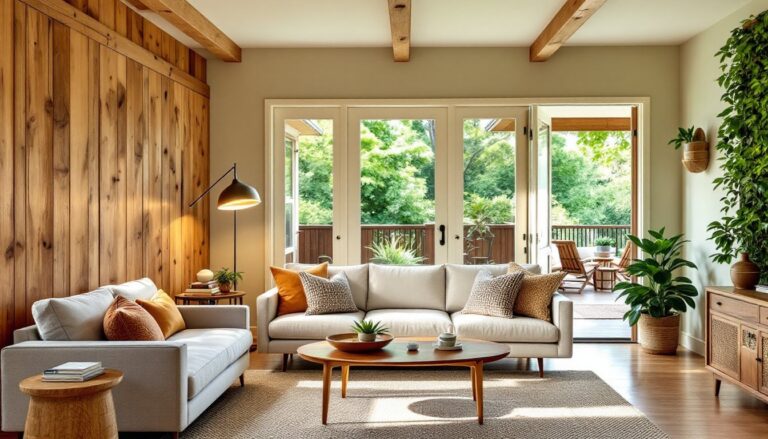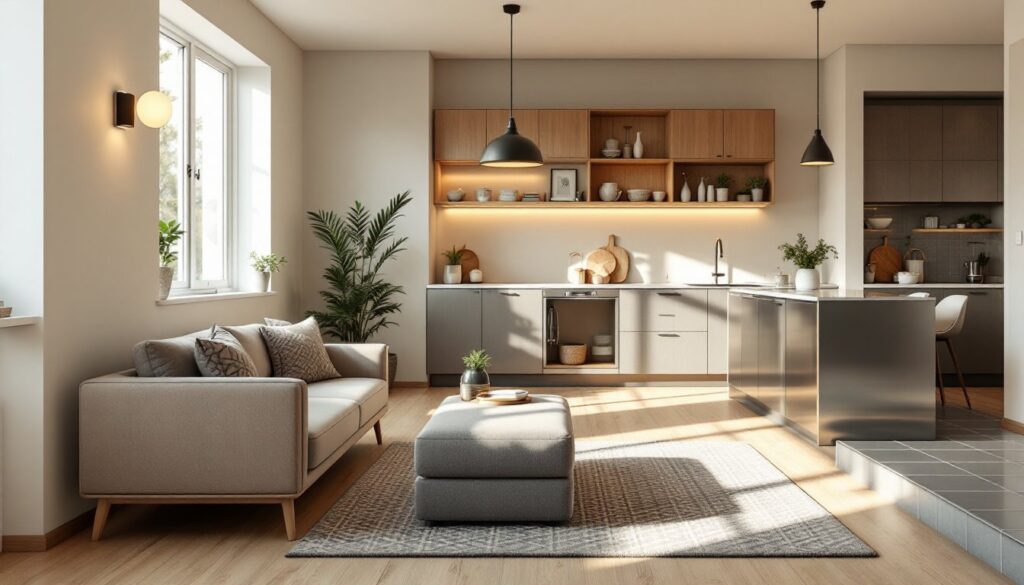
Multifamily interior design isn’t just about making a rental or apartment look pretty, it’s about solving real problems in tight quarters where multiple residents (or your own family) need different things from the same space. Whether you’re a property owner designing units to attract tenants or a homeowner juggling a household of competing needs, multifamily spaces demand smarter thinking than a single-family home. You’ve got limited square footage, shared common areas, and the pressure to balance individuality with cohesion. This guide walks you through the practical strategies that turn cramped apartments and shared living spaces into environments that actually work, without breaking the budget or requiring a design degree.
Table of Contents
ToggleKey Takeaways
- Multifamily interior design solves real spatial challenges by prioritizing smart layouts, durable materials, and storage solutions over aesthetics alone.
- Built-in storage, vertical shelving, and modular furniture are essential investments that maximize small spaces and make units feel larger without increasing square footage.
- Neutral paint colors, layered lighting with dimmers, and high-traffic durability materials like luxury vinyl plank flooring create cohesive, low-maintenance environments across multiple units.
- Multifunctional pieces such as storage ottomans, Murphy beds, and wall-mounted desks are critical for studios and one-bedrooms to accommodate multiple uses in tight quarters.
- Renters can add personality through removable wallpaper, temporary shelving, and rugs, while property owners maximize ROI by standardizing materials across units and focusing renovation budgets on high-impact zones like entries and kitchens.
- Investing in durable fixtures, corner guards, and high-quality finishes in entryways and corridors reduces maintenance costs and extends the lifespan of multifamily spaces.
Understanding Multifamily Interior Design and Its Unique Challenges
Multifamily interior design operates under constraints that single-family homes don’t face. You’re working with smaller floor plans, often fewer windows, and the reality that one person’s dream layout might be another’s nightmare. Wall placement is frequently non-negotiable (load-bearing walls, plumbing stacks, electrical runs). Common areas like hallways, lobbies, and shared courtyards need to feel inviting without being maintenance nightmares. Durability becomes critical, finish materials take a beating in high-traffic spaces where turnover happens regularly.
The real challenge is creating distinct, livable spaces within architectural constraints while keeping costs predictable. A single poorly chosen paint color or flooring material across 50 units compounds mistakes exponentially. For property owners, design decisions affect both occupancy rates and maintenance budgets. For residents, the goal is carving out personal space even when the walls are rental-grade drywall and the floor plan is fixed.
Maximizing Small Spaces With Smart Layout and Storage Solutions
Small footprints demand intentional furniture placement. Every piece needs to earn its spot. Open floor plans work better than dividing rooms with heavy furniture, they make spaces feel larger and allow natural light to travel further. Kitchen islands or peninsula counters double as dining tables and storage while keeping cooking zones efficient.
Built-in storage is your highest-ROI design investment in multifamily units. Vertical shelving, under-stairs drawers, and wall-mounted cabinets add function without eating floor space. Corner shelving units and tall narrow bookcases claim awkward angles. When residents can stash clutter, rooms automatically feel more spacious and organized.
A property managing interior design tips strategy should prioritize flexible furniture arrangements. Modular sofas, nesting tables, and wall-mounted desks let occupants adapt layouts to their own workflows. Floor plans that feel adaptable rent faster and retain tenants longer.
Furniture Placement and Multi-Functional Pieces
Multifunctional furniture isn’t a luxury in small multifamily spaces, it’s essential. A storage ottoman serves as seating, a footrest, and hidden stash for blankets. Murphy beds, sofa beds, and convertible dining tables let studios and one-bedrooms accommodate guests without dedicated rooms. Wall-mounted fold-down desks vanish into cabinetry when work ends, reclaiming the living area.
Furniture scale matters more in compact units. Oversized sectionals crowd studios: low-profile pieces preserve sight lines and airiness. Leggy furniture (tables and sofas with visible feet rather than skirted bases) creates visual space underneath. Lighting that mounts to walls or comes via floor lamps eliminates the need for side tables entirely.
Consider modern interior design principles when selecting pieces, clean lines, minimal visual clutter, and materials that don’t feel heavy. Glass tabletops and light wood finishes feel less ponderous than dark upholstered pieces in tight spaces.
Color, Lighting, and Materials for Cohesive Shared Aesthetics
Paint color in multifamily units should follow a deliberate strategy. Neutrals (warm grays, soft whites, taupe) work across units, allow tenants to add personality, and photograph well for listings. If you want visual variety in common areas, choose two or three coordinating colors, not one different shade per wall. Consistency reads as intentional design: randomness reads as indecision.
Lighting shapes how spaces feel more than almost any other element. Overhead fixtures alone create institutional flatness. Layer in recessed lighting, pendant lights, and wall sconces. Dimmer switches make cramped rooms feel flexible, bright for cleaning, softer for evening. In hallways and common areas, LED panels with warm color temperature (2700K) feel welcoming without the maintenance cost of frequent bulb replacement.
Hard surfaces take the heaviest beating in multifamily spaces. Luxury vinyl plank (LVP) flooring resists moisture, scratches, and stains better than laminate, costs less than hardwood, and installs quickly, crucial for turnover timelines. Tile works in kitchens and bathrooms: matte finishes hide water spots better than glossy. Walls that see heavy traffic (near doors, stairs, corners) benefit from scuff-resistant paint or wainscoting.
Material selection for renters deserves particular attention. Avoid light upholstery, delicate finishes, and anything that shows dust easily. Leather and microfiber are more forgiving than linen: matte metals age better than shiny brass. Design research from Apartment Therapy consistently shows that renters value durable, easy-to-maintain finishes over pristine aesthetics.
Designing for Durability and Low Maintenance in High-Traffic Areas
High-traffic zones, entryways, corridors, living room edges, need fortress-level durability. Scuffing, marks, and stains are inevitable: design should accommodate them gracefully rather than fight them.
Entryways require a landing zone for shoes, bags, and coats. A 3-by-3-foot tile or concrete mat area at the entry catches dirt and moisture before it spreads. Cubbies or hooks anchored directly into studs (using appropriate fasteners per drywall type) beat freestanding coat stands that topple or block walkways. Tile or sealed concrete in this zone is easier to mop than carpet or LVP.
Carpeting in shared hallways should be low-pile, dense, and dark enough to hide stains. Patterned carpets hide wear better than solids. Stain-resistant treatments help but don’t eliminate the need for prompt cleaning protocols. Corners and edges where foot traffic concentrates wear fastest, expect 5–7 year replacement cycles in busy corridors.
Kitchen and bathroom fixtures take daily abuse. Faucets with ceramic cartridges outlast compression valves: delta and moen are industry standards for reliability. Cabinet hardware in commercial-grade brass or stainless outlasts budget zinc-alloy pulls. Grout in tile areas should be epoxy or urethane-based, not standard cement grout, which absorbs stains and deteriorates quickly in bathrooms.
Wall protection in multifamily spaces often means installing corner guards or impact protection at the typical “furniture bump” height (around 30–36 inches). A family room design approach emphasizing open sightlines and minimal wall contact naturally reduces damage. Protecting walls saves thousands in touch-up costs.
Budget-Friendly Design Ideas for Renters and Property Owners
Renters working with fixed layouts and landlord restrictions need design moves that add value without capital investment. Removable wallpaper, stick-on backsplash tiles, and command hooks deliver visual impact without lease violations. Temporary wall anchors hold shelves without drilling. Curtains and rugs define zones and warm up sterile rentals without permanence.
Property owners balancing renovation budgets across multiple units benefit from a “standard palette” approach. Choose one flooring, one wall color, and one countertop option for all units. Volume purchasing reduces per-unit cost by 15–25%. Standardization also simplifies maintenance, staff know which products work with which finishes.
Second-hand and flash-sale furniture fills common areas affordably. Reputable online interior design apps now let designers preview layouts before purchasing: even budget-conscious property managers can run mock-ups to verify proportions before committing to big buys.
DIY paint and basic refinishing absorb labor but save material costs. Painting cabinets instead of replacing them can look intentional if the finish is quality and prep work (sanding, primer, cabinet-grade paint) is thorough. Budget $200–400 per unit for materials: labor is the variable.
Lighting upgrades return disproportionate design value per dollar. Swapping dated builder-grade overhead fixtures for modern pendant lights or semi-flush mounts ($50–150 per fixture) transforms perception without structural work. LED bulbs reduce ongoing energy costs, a selling point for eco-conscious renters.
Focusing design investments on high-impact zones, entries, main living areas, kitchen islands, beats spreading thin across the whole unit. A stunning entry and kitchen make the smaller bedroom feel like a bonus.
Conclusion
Multifamily interior design succeeds when it balances constraints with personality. Smart layouts, durable materials, and thoughtful color and lighting choices transform limited square footage into livable, rentable spaces. Whether you’re a property owner optimizing turnover and maintenance costs or a renter making the most of a lease, the same principles apply: invest in function first, choose finishes that age gracefully, and let storage and layout do the heavy lifting. The best multifamily designs feel bigger, last longer, and cost less to maintain, which means more money left over for the details that actually matter.