New York City interior design isn’t just a trend, it’s a design philosophy that’s defined homes across America for decades. Whether you’re drawn to exposed brick and steel beams or sleek minimalist spaces, NYC style translates into real-world projects you can tackle at home. This guide walks you through the signature aesthetics that make New York City interiors iconic, from industrial lofts to modern minimalism, and shows you how to adapt these approaches to your own space without needing a Manhattan budget or a professional designer on speed dial.
Table of Contents
ToggleKey Takeaways
- New York City interior design emphasizes authentic materials, honest finishes, and functional beauty over ornamental decoration, making it achievable for homeowners without professional designer budgets.
- Industrial chic draws from exposed brick, concrete, steel beams, and factory windows—expose architectural elements where possible, clean rather than hide them, and anchor spaces with metal and wood furniture.
- Modern minimalism maximizes small spaces by auditing possessions, prioritizing built-in storage solutions, using narrow color palettes of whites and grays, and selecting furniture with visible legs and integrated storage.
- Build NYC-inspired color schemes with 70–80% neutral base tones (soft white, warm gray, pale greige), 15–20% secondary deeper tones (charcoal, black, natural wood), and just 5–10% accent color applied sparingly.
- Layer your lighting with wall sconces, pendant lights, and floor lamps using fixtures with visual presence—avoid single ceiling fixtures—and install dimmer switches to adjust ambiance without replacing fixtures.
- Quality materials like solid wood, metal, concrete, and glass define NYC style; avoid laminate and particleboard, and remember that restraint in accessories (fewer art pieces, throw pillows, and objects) creates sophistication even in modest homes.
The NYC Design Aesthetic: What Makes It Iconic
New York City’s design language grew from necessity and authenticity. The city didn’t rely on ornament, it built from raw materials, weathered finishes, and space itself as the primary design element. That’s what makes NYC style so appealing and so achievable for DIYers: you’re not chasing a polished, manufactured look. You’re embracing the honest character of materials and the functional beauty of a space that works hard.
The core of NYC interior design rests on a few non-negotiable principles. First, scale and proportion matter intensely. Room dimensions, ceiling heights, and the relationship between furniture and walls drive the whole aesthetic. Second, materials speak louder than decoration. Concrete, wood, metal, and glass are left visible and celebrated, not hidden. Third, neutral color bases dominate, grays, blacks, creams, and natural wood tones create calm backdrops that let architecture and furnishings take the spotlight.
Unlike maximalist or eclectic styles, NYC design resists clutter. Every object in the room should earn its place through function or genuine visual impact. This restraint is what makes the style feel sophisticated, even in modest homes. If you’re renovating or redecorating, think about which architectural elements you can expose or emphasize, and which pieces will anchor the room without overwhelming it.
Industrial Chic: The Loft Living Standard
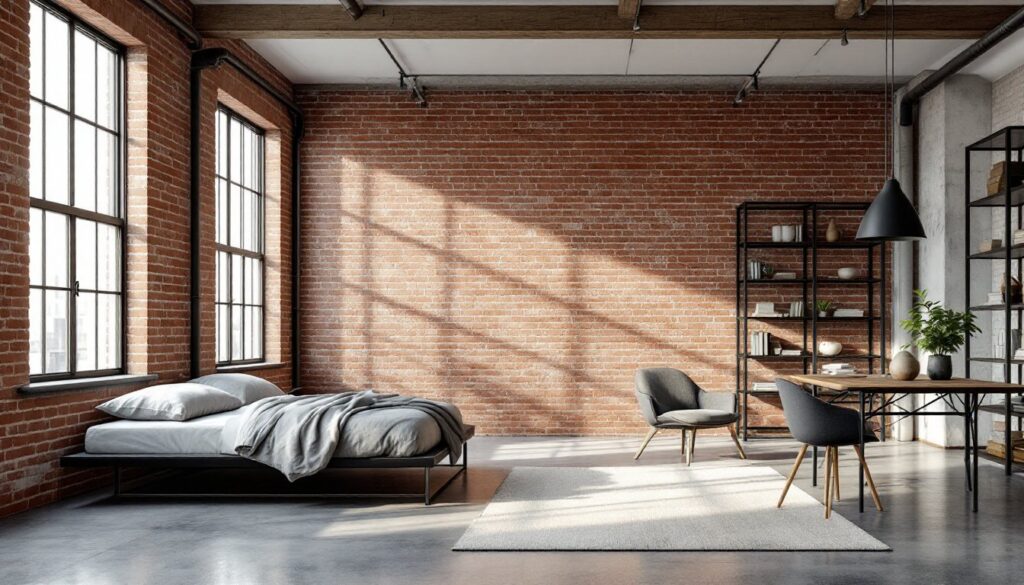
Industrial design became synonymous with NYC when artists and designers converted old warehouses and factory buildings into live-work spaces in the 1970s and ’80s. They couldn’t afford to hide the bones of these buildings, so they embraced them. Exposed brick, steel beams, concrete floors, and large factory windows became deliberate design choices rather than structural compromises.
To achieve industrial chic in your home, start by identifying structural or architectural elements you can expose. Can you remove drywall to reveal brick? Is there a concrete floor under that carpet? Are there original wooden beams hiding above a drop ceiling? Before you tear into anything, check whether you’ll need permits, exterior brick walls are typically non-structural and safe to expose, but you’ll want a professional eye on any beams or joists that carry loads. Removing drywall is straightforward but dusty: wear a respirator-rated mask and goggles, score the seams, and remove panels section by section.
Once you’ve exposed what you can, color and finish carry the weight. Brick typically needs nothing more than a good cleaning with a stiff brush and water (save acid washes for professionals, they’re caustic and tricky). Concrete floors can be sealed with a clear epoxy or matte polyurethane for protection without changing the color. Steel beams or pipes stay raw or get a matte black paint for emphasis. The goal is visible authenticity, not a sterile showroom.
Furniture in industrial spaces leans toward metal and wood, think metal shelving, wood tables with steel bases, leather seating, and minimalist fixtures. Lighting is critical: pendant lights with metal shades and Edison-bulb fixtures are staples. Avoid soft fabrics, floral patterns, or anything too precious: this style is about toughness and function.
Modern Minimalism: Maximizing Small Spaces
Modern minimalism isn’t about living in an empty room, it’s about being deliberate. In New York, where square footage comes at a premium, minimalism is practical. Every item serves a function or provides genuine pleasure. Clutter steals space visually and physically, so minimalist design strips away the excess and relies on clean lines, open floor plans, and smart storage.
To carry out minimalism in your home, start by auditing what you own and what you actually use. This isn’t a one-weekend project, it’s a mindset shift. Once you’ve pared down, storage becomes your secret weapon. Built-in shelving, under-bed drawers, wall-mounted cabinets, and integrated closet systems keep daily items accessible but hidden. If you’re installing shelving, use quality bracket hardware rated for your load (typically 25–50 pounds per bracket depending on the system) and anchor into studs for anything permanent.
Color palettes in minimalist spaces run narrow: whites, grays, soft blacks, and natural wood. These colors recede visually, making small rooms feel larger. A single accent color, deep navy, charcoal, or a warm earth tone, can appear in textiles or a single wall without breaking the aesthetic. Paint finishes matter too: matte and eggshell finishes feel more refined than glossy in minimalist spaces and hide imperfections better.
Furniture should be proportional to the room. Oversized sectionals and chunky cabinets overwhelm tight spaces. Instead, opt for pieces with visible legs (they make a room feel more open), integrated storage, and neutral upholstery. Modern interior design emphasizes functionality over decoration, so a table that seats four and doubles as storage is better than a decorative console. Accessories are spare: a few well-chosen pieces, a plant, a framed print, a ceramic vessel, replace collections of trinkets.
Bringing NYC Style Into Your Home
Color Palettes Inspired by the City
The color palette of New York City interiors draws from the urban landscape itself. Concrete grays, brick reds, steel blacks, asphalt, and the pale light filtering through tall windows create a naturally sophisticated range. These aren’t bright or saturated colors, they’re sophisticated, lived-in, and calming.
Start with a base of 70–80% neutral tones. Walls in soft white, warm gray, or pale greige (a gray-beige hybrid) provide the backdrop. These shades make rooms feel larger and let other elements shine. Your trim and doors can match or contrast slightly, in NYC lofts, you’ll often see white trim against gray walls or natural wood against concrete. If you’re painting, premium brands hold their finish longer and offer richer undertones: budget brands can look flat and yellow over time, particularly on large wall areas.
Then introduce a secondary palette of 15–20%: deeper grays, charcoal, black, or warm wood tones. A single accent wall in charcoal, a dark credenza, or exposed brick naturally grounds the space. The final 5–10% can be a color if you choose, deep navy, forest green, or warm terracotta work with NYC sensibilities. Use it sparingly: a throw blanket, artwork, or a single upholstered chair. Interior design apps can help you visualize color combinations before committing to paint or furniture, and they’re invaluable for small spaces where mistakes are costly.
Furniture and Fixtures That Define the Look
Furniture selection is where NYC style either comes together or falls flat. The rule is simple: quality over quantity, and form follows function. A sleek sofa with clean lines, a metal and wood dining table, a low-profile bed frame, and minimal side tables are the foundation. Upholstery should be neutral, charcoal, navy, cream, or natural linen, and pieces should have visible structure (exposed legs, metal frames) rather than skirted bases that hide their construction.
Storgage is architectural. Open shelving with metal brackets, floor-to-ceiling built-ins, and cabinetry with minimal hardware define the space. If you’re adding shelving or built-ins, plan for visual breathing room, don’t fill every inch. A shelf half-full of books and objects feels intentional: a crammed shelf looks cluttered. Materials matter: solid wood, metal, concrete, and glass are NYC standards. Avoid laminate or particleboard finishes if possible: they read as temporary and cheap even when they’re not.
Lighting design is underrated. Instead of a single ceiling fixture, layer your lighting: wall sconces flanking a mirror, pendant lights over a dining table, and a floor lamp in a reading corner. Fixtures should have visual presence, angular metal shades, exposed Edison bulbs, or sculptural designs. Dimmer switches (standard dimmer-compatible bulbs and switches cost $10–30 each) let you adjust ambiance without changing fixtures.
Accents come from textiles and art. A linen throw, a wool rug in a neutral tone, and a few pieces of meaningful art or photography add warmth without clutter. Art Deco interior design can also inform accent choices if you want a touch of glamour, a geometric mirror, brass or gold-toned hardware, or a single statement light fixture bridges industrial and sophisticated. The key is restraint: three art pieces beat ten, and two throw pillows beat six.
Conclusion
Bringing New York City interior design into your home is achievable whether you’re renovating a warehouse loft or decorating a modest apartment. The philosophy is consistent: expose authentic materials, choose quality over quantity, embrace neutral palettes, and let architecture and function drive the design. Start small, paint a wall, add shelving, swap out lighting, and build from there. Interior design styles vary widely, but NYC’s approach is honest, practical, and timeless.