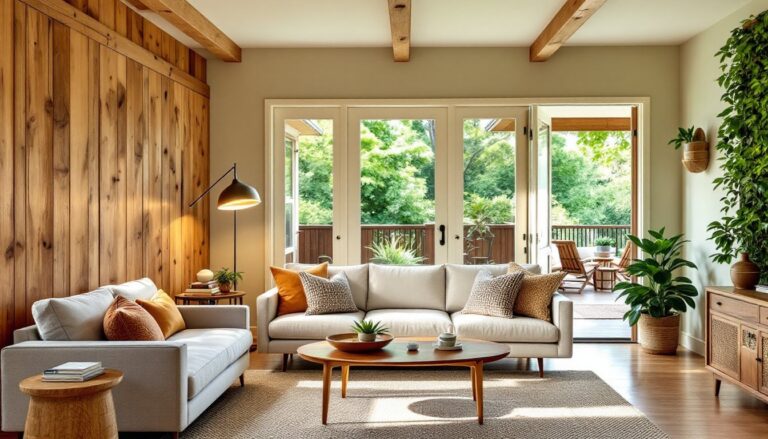
Pacific Northwest interior design has become a go-to style for homeowners seeking warmth without pretense. It’s rooted in the region’s dramatic landscape, towering evergreens, moody skies, and rugged coastlines, and translates that raw beauty into livable, inviting spaces. Unlike trendy styles that feel dated in three years, this approach draws from timeless principles: honesty in materials, respect for natural light, and a commitment to function over flash. Whether you’re in Seattle, Portland, or simply drawn to that grounded aesthetic, this guide walks you through the fundamentals so you can bring Pacific Northwest style home.
Table of Contents
ToggleKey Takeaways
- Pacific Northwest interior design prioritizes authenticity, honest materials, and function over flash, creating timeless spaces inspired by the region’s dramatic landscapes and natural environment.
- Natural materials—particularly reclaimed wood, stone, and natural fibers like wool and linen—form the foundation of this design style and improve with age rather than trend.
- The Pacific Northwest color palette draws from nature with warm grays, forest greens, moss, sage, and earth tones, avoiding stark whites and cool hues that feel disconnected from the region’s aesthetic.
- Furniture should be built to last with simple, clean lines; restrained decor including landscape art and artisanal ceramics; and strategic use of lighting that feels warm and diffuse rather than harsh or clinical.
- Maximizing natural light through large windows and connecting indoor spaces to outdoor views using materials and colors that echo the landscape strengthens the Pacific Northwest design philosophy.
- Start with one room and make deliberate material and lighting choices to allow your Pacific Northwest interior design to evolve intentionally over time.
What Defines Pacific Northwest Interior Design Style
Pacific Northwest interior design is fundamentally about authenticity. It rejects fussy ornamentation in favor of materials and forms that earn their place. The style pulls inspiration from the region’s heritage, indigenous craft traditions, mid-century modern practicality, and a deep respect for the natural environment.
This design philosophy values longevity. A piece shouldn’t be showy: it should tell a story and improve with age. Think reclaimed wood that bears witness to decades, or stone that weathers gracefully. The aesthetic feels like home rather than a showroom, comfortable enough to actually live in, beautiful enough to stop and admire. Color comes from nature itself: deep greens from the forest, grays and blacks from stone and weathered wood, warm taupes from earth.
The style also embraces honest construction. You’ll see exposed beams, visible joinery, and materials used in their truest form rather than disguised. A Japandi Interior Design approach shares similar values, minimalism paired with warmth, and many Pacific Northwest homes borrow freely from both traditions. What ties it all together is the sense that nothing in the room is there by accident: every piece serves purpose and beauty simultaneously.
Natural Materials And Textures
Materiality is the backbone of Pacific Northwest design. Wood is non-negotiable, but choose wisely. Reclaimed Douglas fir or hemlock, species native to the region, carry weight and patina that new lumber can’t match. If authentic reclaimed isn’t feasible or budgeted, look for sustainably harvested rough-sawn stock or engineered alternatives that mimic age without compromise. Nominal lumber dimensions matter here: a rough 2×10 joist (actually 1.5 inches by 9.5 inches) looks and performs differently than a dressed 2×10, and in this aesthetic, rough or hand-planed edges read as more authentic.
Stone, slate, basalt, granite, appears in hearths, flooring, and accents. These materials are heavy, durable, and improve with time. Concrete is also embraced, especially polished or sealed with a matte finish rather than high-gloss. The texture should feel lived-in.
Fabrics anchor comfort: wool, linen, and untreated cotton dominate upholstery and soft furnishings. Leather, aged and worn, works beautifully. Avoid synthetic materials that feel slick or overly uniform. Consider a Scandinavian Interior Design approach for guidance on blending natural fibers with warmth. Layered textures, a rough jute rug under a wool sofa, linen curtains over sheers, create depth and tactile interest without visual noise.
Color Palettes Inspired By The Region
The Pacific Northwest color story is quietly sophisticated. Start with a foundation of warm grays, soft blacks, and deep charcoals, think storm clouds and weathered cedar. These neutrals are anchored by warm undertones rather than cool ones: avoid bland grays that feel corporate or cold.
Accent with forest greens, moss, and sage, colors pulled directly from the region’s flora. A deep emerald or muted olive feels natural on a single accent wall or in upholstery. Warm browns and taupes reference soil and tree bark. If you introduce a brighter note, keep it restrained: a rust accent, deep bronze, or burnt sienna feel grounded rather than artificial.
For trim and built-ins, soft whites or cream work, but consider warm grays or pale sage instead, they harmonize better with the overall palette. Avoid stark white, which reads as too clean-lined for the style. Paint quality matters: a matte or eggshell finish feels warmer and more authentic than high-gloss. primer plus two coats ensures coverage without brush marks: for trim or cabinets, consider a quality exterior-grade enamel that hardens to a durable finish. Natural light shifts these colors throughout the day, grays warm at sunset, greens deepen in shadow, so test paint samples in your actual space before committing. Resources like MyDomaine and Home Bunch offer visualizations of how these palettes work in real homes.
Key Furniture And Decor Elements
Furniture in this style is built to last and designed to function. Look for solid wood pieces, not veneer or particleboard, with simple, clean lines. Mission-style, mid-century modern, and contemporary rustic all fit comfortably here. Avoid ornate carvings, overstuffed shapes, or anything that screams trend.
Seating should feel inviting: deep sofas in natural linen or wool, leather chairs that age beautifully, simple wooden dining tables with thick legs or trestle bases. Storage is honest, open shelving shows off books and objects, while cabinetry uses flat-panel doors or simple frame-and-panel construction. A Modern Interior Design sensibility complements Pacific Northwest work well: both value clean function and reject excess.
Decor is restrained. Artwork leans toward landscape photography, nature prints, or abstract pieces in earth tones. Ceramics and pottery, especially handmade or artisanal pieces, add warmth. A ceramic vase, a thrown-clay plate, or a sculptural bowl displays better than five items in a row. Books, gathered on open shelves, count as decor. Plants are essential but not overdone: a single large-leafed Monstera or fiddle leaf fig in a corner feels purposeful, while a row of small succulents can feel fussy. Lighting fixtures are often vintage or reclaimed, Edison-bulb pendants, schoolhouse fixtures, simple brass sconces, that evoke industrial pragmatism rather than novelty.
Bringing The Outdoors Inside
Large windows and glass doors are fundamental to Pacific Northwest design, they frame the landscape and flood interiors with natural light, even on gray days. If your existing windows are single-pane or failing, upgrading to low-E (low-emissivity) double-pane windows improves thermal performance without sacrificing the visual connection to outdoors. Where windows exist, minimize window treatments: lightweight linen curtains, simple roman shades, or no covering at all if privacy permits. Heavy drapes feel too formal for the aesthetic.
Indoor plants bridge inside and outside. Fiddle leaf figs, pothos, and monstera are overused, but a living wall or grouping of variegated greens in natural light creates genuine atmosphere. Place plants in simple ceramic or terracotta pots, avoid glazed or metallic finishes that compete. Seasonal branches, foraged bark, or river rocks displayed on shelves keep the connection alive year-round.
Color and material echoes reinforce the bond: use the same stone indoors and out, carry flooring seamlessly from porch to interior, or repeat exterior wood tones in built-ins. Views matter, so arrange furniture to frame and celebrate what you see beyond glass. If your actual view is limited, large-scale landscape art or nature photography becomes your window to the Pacific Northwest.
Lighting For Comfort And Ambiance
Lighting design makes or breaks Pacific Northwest interiors. The region’s natural light varies wildly by season and weather, so a layered approach, ambient, task, and accent, accommodates these shifts without relying on harsh overhead fixtures.
Ambient lighting should feel warm and diffuse. Recessed lights with warm color temperature (2700K or lower) or vintage pendants create a soft foundation. Avoid cool white (4000K+) bulbs, which feel clinical. Dimmer switches on most circuits allow flexibility: bright enough to work or cook, dim enough for evening comfort.
Task lighting illuminates specific zones. A pendant over a kitchen island, reading lights flanking seating, or a lamp on a desk should provide adequate lux without glare. Edison-style LED bulbs in brass or copper fixtures harmonize with the aesthetic while delivering practical brightness.
Accent lighting highlights materials. Wall-mounted brass sconces graze exposed wood or stone, wall washers illuminate artwork, and uplighting on plants creates shadow play. These subtle touches add dimension and sophistication. Consider hiring a Interior Design Tips professional if electrical work is involved: local code requires licensed electrician work for new circuits or significant rewiring, this isn’t a DIY-friendly task unless you’re already qualified. Test different light sources and intensities before finalizing placement: the same fixture can feel cozy or cold depending on bulb choice and angle.
Conclusion
Pacific Northwest interior design isn’t a costume you put on for guests, it’s a philosophy that makes living in your home feel grounded and intentional. By choosing honest materials, respecting natural light, and restraining the urge to fill every surface, you create spaces that deepen over time rather than date. Start with one room, make deliberate choices, and let the aesthetic evolve as you discover what resonates in your own space.