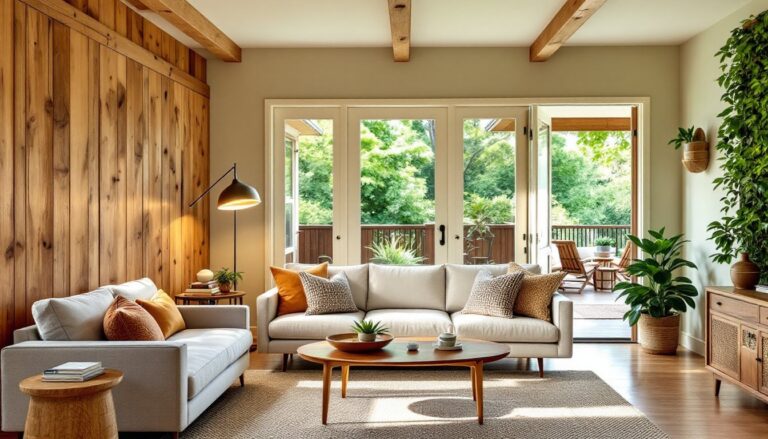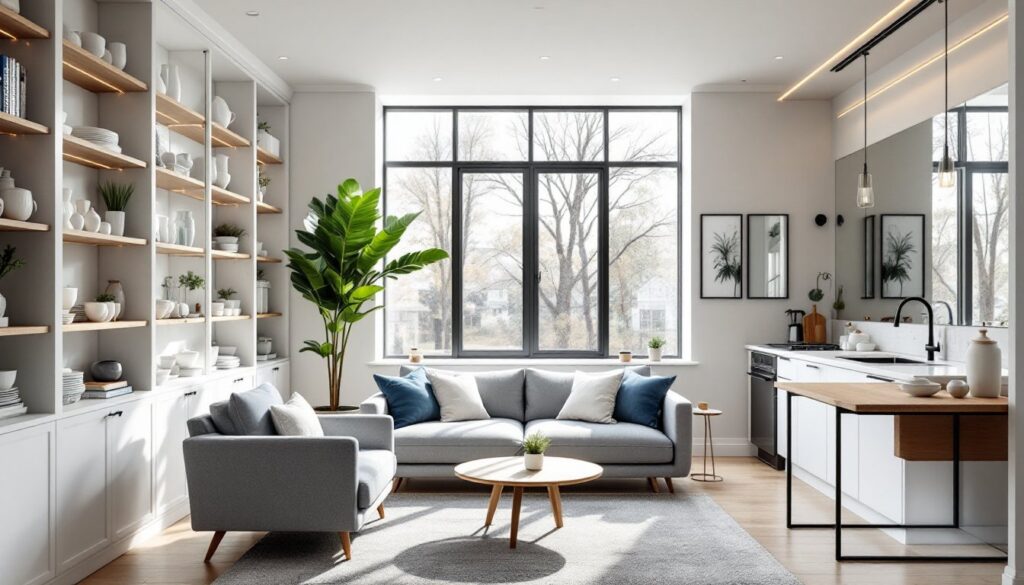
Townhouses are the sweet spot between cramped apartment living and sprawling suburban homes, but their long, narrow footprints and limited square footage can feel suffocating if you don’t design them intentionally. The right townhouse interior design strategy turns vertical space into an asset, opens up sight lines, and makes every square foot work harder. Whether you’re renovating a 1,200-square-foot starter property or redesigning your current place, these 2026-focused approaches help you maximize storage, improve traffic flow, and create a home that feels much larger than it actually is.
Table of Contents
ToggleKey Takeaways
- Floor-to-ceiling shelving, floating shelves, and wall-mounted storage solutions maximize vertical space without consuming valuable floor area in townhouses.
- Create distinct zones in open-concept townhouse floor plans using area rugs, accent walls, and tall furniture as visual dividers while maintaining sightline flow.
- Light, neutral wall colors combined with layered lighting (ambient, task, and accent) and strategically placed mirrors brighten narrow townhouse rooms and expand the sense of space.
- Choose multi-functional furniture pieces like ottomans with hidden storage, nesting tables, and sofas with under-seat compartments to maximize utility in limited square footage.
- Maintain visual restraint on displays and shelves by leaving 30-40% empty space and grouping decorative items in odd numbers to achieve a curated, composed look rather than cluttered appearance.
Maximize Vertical Space With Smart Storage Solutions
Townhouse layouts typically sacrifice width and depth for height. Use this to your advantage. Floor-to-ceiling shelving, tall pantries, and wall-mounted cabinets pull your eye upward and create usable storage without eating into floor space, the real estate you need for movement and furniture.
Wall-mounted floating shelves work well in living rooms and bedrooms: pair them with a neutral backdrop to keep the visual weight light. In kitchens, open shelving (limited to two or three shelves) displays dishes and glassware while maintaining that airy feeling. For closets and utility areas, consider adjustable metal shelving units that reach the ceiling. They’re not fancy, but they’ll store twice what a standard closet can hold.
Vertical storage also means hooks, pegs, and rails rather than freestanding racks. A simple peg rail system in the mudroom or kitchen eliminates visual clutter while keeping coats, bags, and utensils within arm’s reach. Corner shelving maximizes dead zones that furniture can’t fill. Remember: townhouses force you to think three-dimensionally. If you’re not using the wall space above door frames or in corners, you’re leaving storage on the table.
Open Floor Plans: Creating Flow in Connected Spaces
Many townhouses feature an open-concept main floor where the living room, dining area, and kitchen blend into one space. This is both an advantage and a design challenge. Without walls to define zones, the space can feel disorganized or cramped.
Use strategic placement, lighting, and subtle visual cues to create distinct areas. A low-profile area rug anchors the living room without blocking sightlines to the kitchen. A slightly different wall color or a shiplap accent wall behind the sofa signals a boundary between zones while keeping the flow intact. Tall furniture, a bookcase or a floor lamp, acts as a visual divider without cutting off the room.
Keep traffic patterns clear. Furniture should guide people naturally from entry to living space to kitchen without awkward navigating around pieces. In many townhouses, the staircase sits within or near the main floor: don’t block the path to it with a bulky sectional. Open shelving between kitchen and living areas works well if styled thoughtfully, cluttered shelves read as chaotic in an open plan. Modern Interior Design: Transform Your Space with Style, Functionality, and Sustainability strategies can help you balance openness with intentional zoning.
Color and Lighting Strategies for Narrow Rooms
Townhouse proportions often mean long, narrow corridors and rooms where natural light enters from only one wall. Color and light are your tools to combat that tunnel-like feeling.
Light, neutral walls (off-white, soft gray, pale greige) reflect natural light and make spaces feel wider. They also serve as a clean backdrop for accent colors in furniture and decor. A darker accent wall should be on the end wall of a long room, not the sides, it creates a focal point rather than narrowing the space further. Avoid heavy, dark colors on walls in rooms with limited natural light: they absorb light and make small spaces darker.
Lighting matters as much as paint. Overhead fixtures alone leave corners shadowy and create a flat, uninviting feel. Layer your lighting: ambient (ceiling or hanging fixtures), task (desk lamps, under-cabinet strips), and accent (wall sconces, recessed lights). LED strip lighting behind floating shelves or soffit adds visual interest while brightening narrow hallways. In bedrooms and living areas, dimmers on main fixtures let you adjust mood throughout the day. Mirrors opposite or perpendicular to windows bounce daylight deeper into the room, a proven way to brighten a townhouse interior.
Multi-Functional Furniture: Choosing Pieces That Work Harder
In a townhouse, furniture is not decoration, it’s infrastructure. Every piece should earn its space by being beautiful, functional, and ideally, serving more than one purpose.
A console table near the entry isn’t just a place to drop keys: with shallow drawers underneath, it stores shoes and mail. An ottoman with hidden storage doubles as a footrest, extra seating, and a hidden container for blankets or seasonal items. Nesting tables let you expand or contract your surface area depending on need. Wall-mounted drop-leaf tables in dining areas fold away when not in use, freeing floor space for other purposes.
When selecting seating, measure your rooms carefully and choose pieces that fit the proportions. A large sectional eats the living room of a 1,200-square-foot townhouse: a compact sofa with a smaller chair or loveseat provides seating without dominating the space. If you have the floor plan for it, an Interior Design App: Transform Your Home Into an Instagram-Worthy Space Today can help you visualize how pieces fit before buying.
Sofas and Sectionals With Built-In Storage
If you do go with a sectional, choose one with built-in under-seat storage. Brands like Article and West Elm offer designs where the chaise or corner seat lifts to reveal hidden compartments. These hold throw blankets, seasonal cushions, or board games without requiring additional storage furniture. The trade-off: built-in storage sections are heavier to move and harder to customize if your layout changes. Measure doorways and hallway widths before ordering, a sectional stuck in your foyer because it won’t fit through the living room door is a costly mistake. Legs on sofas (versus skirted bases) also create visual lightness, making the furniture feel less heavy in a tight space.
Creating Visual Interest Without Clutter
Townhouses demand restraint. Open shelving, minimal wall space, and tight proportions mean every visible item is noticed. The difference between “curated” and “cluttered” is one or two extra decorative objects.
Choose a color palette and stick to it. If your walls are neutral and your sofa is gray, select throw pillows, artwork, and accessories in a cohesive palette, maybe warm whites, soft blues, and natural wood tones. Too many colors fight for attention in a small space. Artwork should be intentional: one large piece or a carefully arranged gallery wall beats scattered framed photos. Space pieces far enough apart so they don’t feel cramped.
Displays on shelves follow a simple rule: leave 30–40% empty space. A shelf packed with books, plants, and picture frames looks anxious. Group items in odd numbers (three plants, five books, two vases), and vary heights and textures so the eye moves around rather than stopping flat. Plants add life and improve air quality, but five potted plants in a small room feels like a jungle. Two or three statement plants (a fiddle leaf fig, a monstera) placed in corners or near windows do more visual work than a dozen small potted succulents.
Elegant Interior Styling: Transform Your Space into a Luxurious Retreat on a Budget offers strategies for curating decor intentionally, and Scandinavian Interior Design: Transform Your Space with Simple Elegance and Cozy Charm emphasizes minimalist approaches that work beautifully in townhouses. The goal is a composed, lived-in look, not a showroom and not a storage unit.
Conclusion
Townhouse interior design succeeds when you treat the space as an opportunity, not a limitation. Vertical storage, open flow, smart lighting, multi-functional furniture, and intentional styling combine to create a home that feels spacious, organized, and genuinely livable. Start with one room, apply these principles, and you’ll see the transformation. Small spaces demand thoughtful choices, but those choices ripple through every square foot, making a townhouse feel like a custom-designed sanctuary rather than a cramped afterthought.