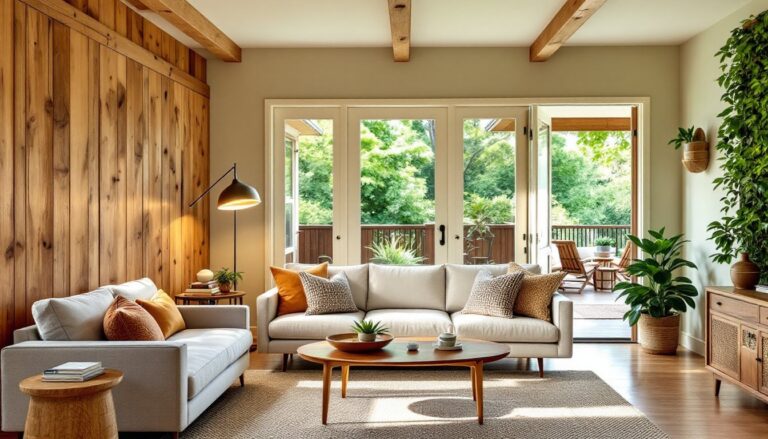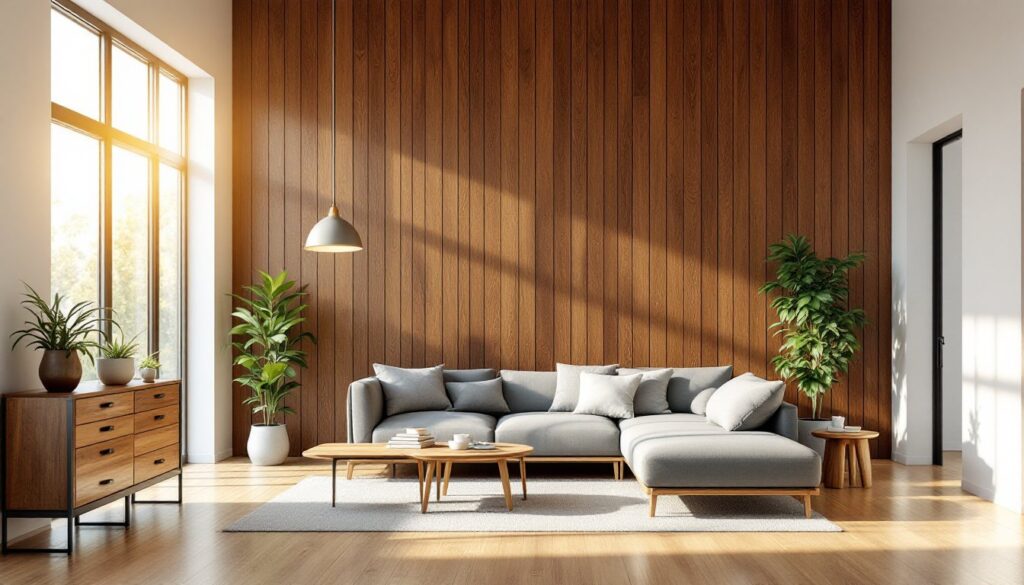
Wood has been a staple of human interiors for centuries, and it’s not going anywhere in 2026. Whether it’s a statement wall, hardwood flooring, or carefully placed furniture pieces, wood interior design brings warmth, authenticity, and visual interest to any room. The beauty of incorporating wood into your home is that it works across virtually every design style, from Scandinavian minimalism to modern industrial spaces. Unlike trendy decor that feels dated in five years, wood interiors develop character over time, aging gracefully and improving with use. This guide walks you through selecting the right wood tones, finishing options, and placement strategies to make wood work for your space without overwhelming it.
Table of Contents
ToggleKey Takeaways
- Wood interior design brings warmth and authenticity to any room while aging gracefully over time, making it a timeless choice across all design styles.
- Light woods like ash and birch create airy, spacious feels ideal for smaller homes, while dark woods like walnut add drama and intimacy for dining areas and offices.
- Engineered wood flooring offers better stability in humid environments and is more affordable than solid hardwood, though solid hardwood can be refinished multiple times over decades.
- Mixing wood with complementary materials like concrete, metal, and glass prevents monotony and creates visually balanced, modern interior designs.
- Warm-toned lighting (2700K) and layered lighting design enhance wood’s natural grain and color depth, while distributing wood accents throughout a room keeps the aesthetic intentional rather than cluttered.
Why Wood Works in Modern Interior Design
Wood succeeds in contemporary design because it bridges two competing demands: the need for warmth and the demand for clean, functional aesthetics. Hard surfaces like concrete, tile, and metal dominate modern spaces for their durability and low maintenance, but they can feel cold. Wood softens these edges and introduces organic texture that human eyes naturally gravitate toward.
The tactile quality of wood matters too. Unlike laminate or vinyl, real wood has grain variation, color depth, and a surface you can actually feel. This sensory richness is why a wood accent wall reads as intentional design rather than a cost-cutting measure. Wood also performs well acoustically, it absorbs sound better than many hard surfaces, which is practical in open-concept homes where noise can bounce around.
From a sustainability angle, responsibly sourced wood appeals to homeowners thinking about their environmental footprint. You can also refinish real wood, extending its lifespan indefinitely. When your stain or finish wears, you sand and recoat rather than replace. That longevity, combined with wood’s visual warmth, explains why it remains central to elegant interior styling across all design movements.
Choosing the Right Wood Tones and Finishes
Light Woods for Airy Spaces
Light woods, think ash, birch, and blonde oak, read as modern, approachable, and spacious. They pair naturally with whites, soft grays, and muted accent colors. Light wood also bounces ambient light around a room, making it feel larger and brighter. This makes them ideal for smaller homes, basements, or rooms with limited windows.
The catch: light woods show dust, footprints, and watermarks more readily than dark finishes. A matte or satin polyurethane (not gloss) minimizes visible fingerprints while maintaining the wood’s natural appearance. Light woods also need careful finishing: a cheap stain can look flat or plastic-like. If you’re staining light wood yourself, test on scrap pieces first. Two coats of quality stain often outperform one heavy coat.
Light wood works especially well in kitchens and bedrooms where you want a calm, airy feel. Kitchen design trends increasingly favor light wood cabinetry paired with white or cream walls, proving this combo has staying power.
Dark Woods for Drama and Depth
Dark woods, walnut, espresso-stained oak, dark walnut veneer, create drama, ground a space, and hide wear. They pair boldly with jewel tones (emerald, sapphire, burgundy) and rich metallics. Dark wood makes a room feel smaller but more intimate, which works beautifully for dining areas, home offices, and libraries.
Dark finishes demand good lighting to avoid feeling cave-like. Pair them with adequate task lighting, accent lighting on artwork, or light-colored walls to prevent the space from closing in. A dark wood accent wall works better than dark flooring throughout an entire small home.
Finish-wise, dark woods can be matte, satin, or semi-gloss depending on desired sheen. Matte hides imperfections: semi-gloss reflects light and requires perfect cleanliness. For dark wood furniture or features, go with satin as a balanced choice. Also note that dark finishes can look muddy under poor lighting, so always view wood samples in the actual room and time of day you’ll use it.
Wood Flooring: The Foundation of Your Design
Wood flooring anchors an entire room’s aesthetic and affects everything else you place in it. This is why it deserves careful selection rather than impulse buying. Start by understanding solid hardwood versus engineered wood. Solid hardwood is 3/4″ thick and can be sanded and refinished multiple times over decades. Engineered wood has a real wood veneer (1-6mm) glued to a plywood base, making it more stable in humid or temperature-fluctuating spaces. Engineered wood can’t be refinished as deeply, but it’s cheaper and works better in basements or kitchens prone to moisture.
Board width affects perception too. Wide planks (5″ and up) read modern and open: narrow planks (3″ or less) feel traditional or cottage-like. Wide planks show off grain patterns but are pricier. Mid-width boards (3.5-4.5″) offer a practical compromise.
For finish, water-based polyurethane is food-safe and low-odor: oil-based polyurethane is more forgiving to apply but takes longer to cure and off-gases. Both need 3-7 days of cure time before heavy foot traffic. If you’re refinishing existing floors yourself, rent a drum sander (not a belt sander for the whole floor, they leave divots). Start with 60-80 grit, progress to 120 grit, and finish with 150-180 grit for a smooth surface.
Pattern matters too. Random width, hand-scraped, and herringbone layouts cost more but add character. Simple plank layouts cost less and work well in modern spaces. Whatever you choose, family room design benefits from a cohesive floor that doesn’t compete with furniture and decor.
Incorporating Wood Accents and Furniture
Not everyone is ready to commit to wood flooring or full wood walls. Accents and furniture pieces offer flexibility. A wood shelving unit, built-in bookcase, or floating shelves add character without the cost or permanence of a full renovation. Reclaimed wood brings authenticity and a story, old barn wood, recycled barn beams, or salvaged flooring create focal points that new wood can’t replicate.
When selecting wood furniture, match your existing wood tones loosely rather than exactly. Honey oak with a walnut nightstand reads intentional: five different woods at wildly different undertones reads chaotic. Group warm-toned woods together (oak, cherry, maple) or cool-toned woods (walnut, ash, hickory).
Frames, trim, and architectural details deserve attention too. A wood picture frame molding, wainscoting, or ceiling beam draws the eye upward and adds dimension. Shiplap (tongue-and-groove wood panels) has become popular for accent walls, though it requires some skill to install straight and level. If you’re installing shiplap, stud spacing matters, boards should land on studs or blocking for secure fastening.
For furniture placement, avoid clustering all wood pieces in one corner. Distribute them around the room so wood feels integral to the space, not added as an afterthought. Modern interior design balances wood with negative space, so less is often more.
Mixing Wood With Other Materials
Pure wood interiors can feel monotonous: the real magic happens when you pair wood with complementary materials. Concrete and wood is a classic pairing, raw industrial edge softened by organic warmth. Metal (especially matte black or brushed steel) adds contemporary contrast without competing visually. Glass keeps sightlines open and prevents wood-heavy spaces from feeling enclosed.
Fabrics matter too. Natural fibers like linen, wool, and cotton play well with wood’s warmth. Pair natural fabrics with wood to reinforce the organic aesthetic, or contrast wood with smooth, cool materials like polished leather or sleek upholstery in grays or blacks.
Color-wise, avoid fighting wood’s warmth. Soft neutrals (cream, taupe, warm gray), muted greens, and terracotta complement wood naturally. High-saturation, cool colors (bright teal, icy blue) clash with warm-toned wood. If you love cool tones, opt for cool-toned woods like ash or pair warm wood with just one accent wall in a cool shade.
Lighting is the often-overlooked material partner. Warm bulbs (2700K color temperature) enhance wood’s warmth: cool bulbs (4000K+) make wood look flat or dingy. Layered lighting, ambient overhead, task lighting at work surfaces, and accent lighting on wood features, showcases grain and color depth. You can also explore resources like Decoist for modern interior design pairings that balance wood with other materials effectively.