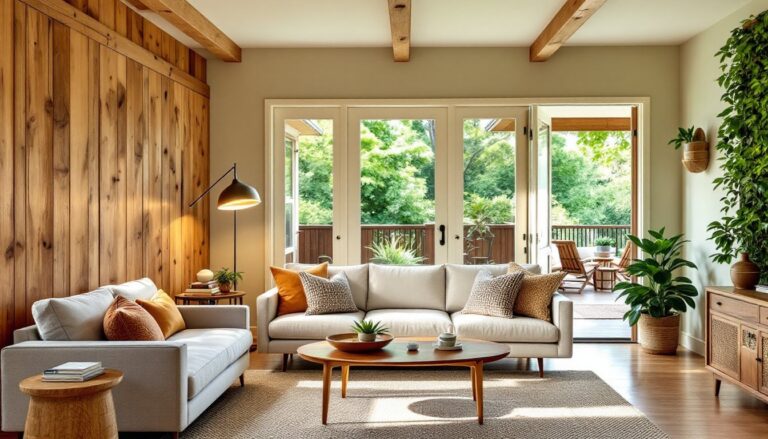
Interior design isn’t reserved for TV personalities or people with decade of experience. If you’re drawn to the idea of transforming spaces, solving design challenges, and creating environments where people actually want to spend time, now’s the moment to start. Whether you’re dreaming of a full-time career, launching a side business, or simply developing sharper skills to redesign your own home, there’s a clear path forward. This guide walks you through exactly how to break into interior design in 2026, from identifying your design voice to building a portfolio that gets attention. You don’t need a trust fund or connections, just intention, curiosity, and willingness to learn.
Table of Contents
ToggleKey Takeaways
- Start getting into interior design by identifying your design style and specialization—whether that’s residential, commercial, or niche markets like sustainable interiors—before committing to formal education.
- Build your knowledge foundation through a combination of self-study (YouTube, design books, online courses) and formal education options ranging from certification programs (12–18 months) to bachelor’s degrees (4 years), depending on your career goals and constraints.
- Gain practical experience immediately by redesigning accessible spaces like your own home or a friend’s room, documenting every project with before-and-after photos and design decisions to build a portfolio that matters more than credentials.
- Master industry software like SketchUp, AutoCAD, and Adobe Creative Suite alongside business skills like budgeting and contracts—software fluency is non-negotiable for client work and collaborations.
- Network with contractors, architects, and fellow designers from day one, as referrals and professional relationships drive careers more significantly than portfolio quality alone.
- Price your interior design work fairly by researching salary ranges and freelance rates in your region and specialization to avoid underpricing early in your career.
Assess Your Design Style and Interests
Before jumping into credentials or coursework, figure out what actually excites you about design. Are you energized by minimalist, clean-lined spaces? Do you love the warmth of traditional design, or does contemporary appeal to you more? Spend time pinpointing your aesthetic preferences because design education and career paths often align with specializations.
Start with honest self-assessment. Scroll through design platforms without judgment, save images that resonate. Notice patterns. Do most clips involve color, texture, or spatial planning? Are you drawn to residential work, or does Office Interior Design: Transform appeal more? Commercial, hospitality, retail, and healthcare design each require different skill sets and career trajectories.
Beyond aesthetics, consider your practical constraints. Full-time education takes 2–4 years and costs money. A part-time online route stretches longer but lets you earn while learning. Some designers thrive as independent consultants: others prefer structured studio environments. Your design style, career goals, and lifestyle shape which learning path makes sense for you.
Build Your Knowledge Foundation
Self-Study and Online Learning
You don’t need formal enrollment to develop real design knowledge. Start with fundamentals: color theory, spatial proportion, lighting, materials, and furniture history. Free and paid platforms offer legitimate education without the tuition overhead.
Resources like MyDomaine provide trend-focused inspiration and practical styling advice. YouTube channels dedicated to interior design walk through real projects step-by-step. Design books like “The Interior Design Reference and Specification Book” or “Color and Light” give you depth competitors won’t have from casual learning. Follow working designers on social media and study their project work, not to copy, but to understand decision-making and problem-solving.
Online platforms like Skillshare, Coursera, and Udemy offer affordable courses covering everything from residential design principles to using industry software like SketchUp and AutoCAD. These won’t replace formal education for licensing, but they build competence quickly. Many working designers patch together knowledge this way, formal training plus self-directed learning.
Formal Education Options
If you’re pursuing interior design professionally (especially for client work that requires licensing), formal education matters. A bachelor’s degree in interior design typically takes four years and covers design theory, building codes, technical drawing, materials science, and professional practice. Associate degrees (two years) focus on core skills with less breadth.
Accreditation varies by region. In the US, the National Council for Interior Design Qualification (NCIDQ) sets standards for professional practice. Some states require licensing for designers who specify finishes or structural changes: others don’t. Check your local requirements, they shape what credentials you actually need.
Certification programs (12–18 months) are faster and cheaper than degrees but narrower in scope. They work well if you already have related experience (architecture, construction, retail) or want to sharpen specific skills. This resource explains the in detail if you’re evaluating programs.
Start Gaining Practical Experience
Theory only takes you so far. Real learning happens in rooms with real constraints. Start with projects you have direct access to, your own home, a friend’s bedroom refresh, or a local nonprofit needing a space redesign (for portfolio-building experience, not always payment upfront).
Approach each project systematically. Begin with a detailed space assessment: measurements, lighting, existing elements you’re keeping, budget, and the user’s daily habits. Write a brief. Design students call this a “program.” It’s the difference between slapping paint on walls and making intentional decisions.
Use design tools as you go. Sketch by hand, then move to digital. Free tools like Piktochart and Canva let you mock up color schemes. SketchUp Free is robust for spatial planning. Paid software like Adobe Creative Suite or Chief Architect gives you professional-grade output, but they’re investments worth making once you’re committed.
Document everything. Photograph spaces before, during, and after. Keep notes on what worked, what didn’t, and why. This becomes your portfolio. When you can show a cramped home office transformed into a functional creative space with your reasoning behind each choice, you’re speaking a designer’s language.
Develop Your Professional Skills and Portfolio
A portfolio is your resume in this industry, it matters more than a degree. Start building it now with 4–6 strong projects. Quality beats quantity. One fully realized before-and-after with context beats ten half-finished snapshots.
For each portfolio piece, document: the challenge, your concept, the materials and color palette chosen, the budget, and the outcome. Include process photos showing sketches, material samples, and installation. Clients want proof you understand their needs and deliver results, not just that you have taste.
Beyond portfolio projects, develop the software and communication skills designers use daily. Learn SketchUp or AutoCAD for plans and 3D visualization. Adobe Creative Suite (especially Photoshop and InDesign) for presenting concepts. These aren’t optional, clients and collaborators expect fluency. Business skills matter equally: budgeting, project management, contracts, and communication. Many design disasters stem from miscommunication, not bad taste.
Start networking early. Join local design groups, attend industry events, follow Interior Design Jobs opportunities to understand the market. Connect with contractors, architects, and other designers. Referrals drive careers more than portfolios alone. A contractor who trusts your work will recommend you repeatedly. A peer might collaborate on projects. These relationships compound over years.
Understand Interior Design Salary ranges in your region and specialization so you price work fairly. Freelance rates differ wildly from studio salaries. Starting salaries are modest: experience and reputation command higher fees. Knowing the market prevents underpricing early and getting trapped in unsustainable rates later.
Consider specializations as your skills deepen. Many successful designers focus on residential, Elegant Interior Styling on a budget, Modern Interior Design spaces, or niche markets like aging-in-place design or sustainable interiors. Specialization makes you the obvious choice for specific clients rather than a generalist competing on price.
Conclusion
Breaking into interior design means combining honest self-assessment with real skill-building. Identify what draws you to design, commit to learning fundamentals, get your hands dirty with real projects, and develop a portfolio that proves you can solve problems clients care about. The field is growing, demand for designers who understand both aesthetics and practical constraints is steady. Start now with what you have access to, stay curious about the work, and build from there.