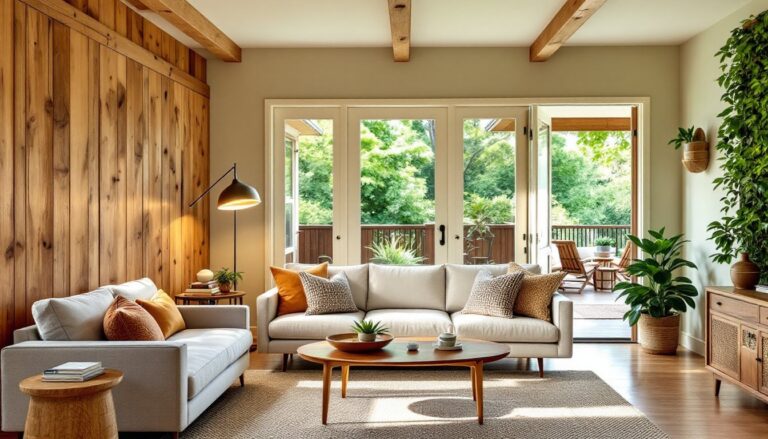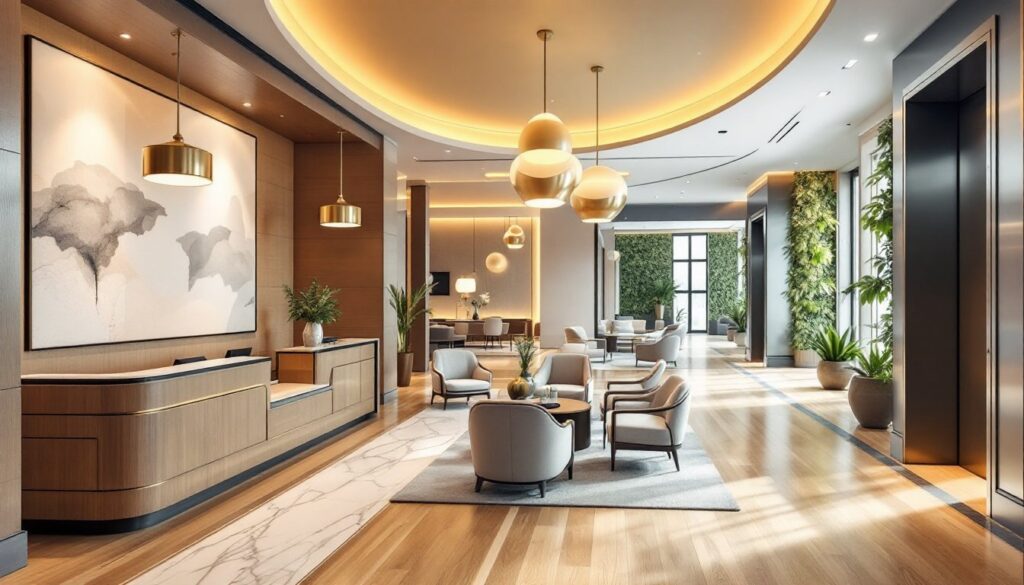
Whether you’re opening a boutique hotel, refreshing a resort, or upgrading a bed-and-breakfast, selecting the right hotel interior design company can make the difference between a space that guests forget and one they rave about on every review. Hotel interior design companies specialize in understanding the unique blend of aesthetics, functionality, and guest experience that hospitality spaces demand. Unlike residential design, which prioritizes personal taste, hospitality design balances branding, durability, code compliance, and operational efficiency. This guide walks you through what these firms do, the services they offer, and how to evaluate them for your specific project needs.
Table of Contents
ToggleKey Takeaways
- Hotel interior design companies specialize in transforming hospitality spaces by balancing aesthetics, functionality, code compliance, and guest experience in ways generic design firms cannot achieve.
- Professional hotel interior design services include space planning, branding development, guest room design at scale, vendor coordination, and rigorous project management from concept through construction.
- Evaluate hotel interior design companies by reviewing completed portfolios in your property type, verifying team credentials and ASID memberships, and requesting references from recent clients about budget adherence and design durability.
- Strong hospitality designers understand building codes, ADA accessibility, fire safety standards, and material longevity in high-traffic environments—critical knowledge that ensures both luxury perception and maintainability.
- Local or regionally-experienced firms offer advantages in understanding jurisdictional building codes and supplier networks, though the right partner should demonstrate a transparent design process with clear budget breakdowns and milestone involvement.
What Hotel Interior Design Companies Do
Hotel interior design companies are specialized firms that transform hospitality spaces into cohesive, functional, and memorable environments. They go beyond aesthetics, they engineer guest experiences from the moment someone walks through the door.
These firms handle the full scope of hotel design: from conceptual development and space planning to material specification, vendor coordination, and project management. They understand building codes, accessibility requirements, fire safety standards, and ADA compliance that generic design firms might overlook. A hospitality designer knows that a lobby’s layout must support check-in efficiency without compromising elegance, or that guest room lighting must promote relaxation while meeting technical standards for emergency egress.
Top hospitality interior design firms also manage the practical side: budget tracking, construction timelines, and vendor relationships. They source everything from custom millwork to linens and lighting fixtures, ensuring consistency across the entire property. When you hire a design company, you’re getting strategic thinkers who know how materials age in high-traffic environments, which finishes withstand hundreds of guest-nights annually, and how to balance luxury perception with durability and maintenance costs.
Many hotel interior design firms have portfolios spanning luxury resorts, lifestyle brands, extended-stay properties, and independent boutique hotels. Each project type demands different expertise, luxury resorts require ultra-premium finishes and bespoke details, while budget properties need smart, cost-effective solutions that still feel welcoming. These specialized designers have built relationships with suppliers, contractors, and specialists across multiple regions, which saves you time and often money.
Key Services to Expect from Professional Hotel Designers
Professional hotel interior design firms deliver a range of integrated services designed to turn your vision into a functioning, branded reality.
Space Planning and Layout Optimization
Space planning is where strategy meets function. Designers analyze foot traffic patterns, identify bottlenecks, and optimize room layouts for both guest comfort and operational workflow. In a lobby, this means positioning the front desk for visibility and efficiency, creating seating zones that feel intimate yet monitored, and designing pathways that naturally guide guests toward elevators, restaurants, or shops without signage clutter.
Guest rooms demand ruthless efficiency: designers position beds for sight lines from the entry, ensure bathroom layouts maximize usable square footage, and coordinate electrical outlets with furniture placement so guests can charge devices without running cords across walkways. Modern Interior Design: Transform principles often inform these layouts, emphasizing clean sightlines and functional beauty.
For common areas, restaurants, fitness rooms, conference spaces, designers map furniture placement, electrical and AV requirements, and traffic flow. They consider sightlines from the reception desk to public areas, emergency egress routes, and ADA accessibility. Building codes vary by jurisdiction, but most require minimum aisle widths, accessible routes, and proper spacing for safety.
Branding and Aesthetic Development
Your hotel’s interior tells a story. Whether you’re positioning a luxury escape, a modern business hotel, or a rustic retreat, the design must reinforce that identity consistently across every space.
Designers develop a complete visual language: color palettes that evoke the intended mood, material selections that reflect your brand promise, and stylistic details that guests notice and remember. A luxury resort might feature custom wallpapers, natural stone, and bespoke artwork, while a lifestyle hotel might emphasize local artistry, sustainable materials, and contemporary furnishings. Professional firms also research regional design sensibilities, a coastal hotel design differs markedly from a downtown urban property or mountain lodge.
Branding extends to every touchpoint: signage systems, lighting design, fixture finishes, flooring transitions, and even handrail details. Top hospitality interior design firms excel at creating coherence so guests feel the brand intention whether they’re in a hallway, restaurant, or pool area. Many firms also coordinate with hotel designers who specialize in innovative solutions for specific property types.
Designers also manage guest room design at scale. Creating a single beautiful room is one thing: ensuring consistent quality, material durability, and aesthetic across 50, 100, or 300 identical rooms requires careful detailing, precise specifications, and rigorous quality control. They select window treatments that balance privacy, light control, and durability: specify mattresses and bedding that balance comfort, washability, and longevity: and choose art and accessories that feel curated, not generic.
How to Evaluate and Choose the Right Company
Selecting a hotel interior design company means evaluating their expertise, portfolio, process, and fit with your project goals and budget.
Portfolio and Experience: Request examples of completed projects similar in scope, property type, and style to yours. Ask whether they’ve designed for your specific market segment, luxury, mid-scale, boutique, conversion projects, or new builds all demand different skill sets. A firm with extensive resort experience might struggle with a tight urban hotel conversion: conversely, a boutique specialist may lack the systems knowledge for a multi-property rollout.
Team Credentials: Ask about the design team’s background. Are they ASID members (American Society of Interior Designers)? Do they hold certifications in sustainable design or hospitality-specific training? How many projects have the lead designer completed? A senior designer paired with a strong project manager typically delivers better results than a single generalist.
Design Process: How do they approach a project? Strong firms conduct thorough discovery, site visits, stakeholder interviews, competitive analysis, and guest research. They present multiple design concepts before refining. They involve you at key milestones (schematic design, design development, construction documents) so you steer the vision, not rubber-stamp completed work.
Vendor and Contractor Relationships: Ask how they source materials and manage contractors. Do they have preferred vendors who understand hospitality needs? Can they source custom elements regionally to reduce shipping costs and lead times? Do they conduct site inspections during construction to ensure quality?
Budget Management and Timeline: Insist on a detailed scope of work, budget breakdown, and timeline. Which phases do their fees cover? Will they manage change orders? How do they handle scope creep? Transparent firms provide written estimates and explain assumptions.
References: Request at least three recent client references, ideally hotel owners or operators who can speak to the design’s durability, guest response, and how well the firm managed budget and timeline. Ask tough questions: Did the project stay on budget? How has the design held up? Would you hire them again?
Location and Accessibility: Local firms understand regional building codes, supplier networks, and construction labor availability. Out-of-state firms may bring fresh perspectives but require more travel coordination and communication overhead. Consider whether you need in-person site visits and regular check-ins during construction.
For many hospitality projects, Interior Design Tips: Transform resources help clarify your vision before approaching firms. Tools like Interior Design App: Transform can also help you visualize initial concepts and communicate preferences more clearly to design partners.
Conclusion
Choosing a hotel interior design company is a significant investment that shapes guest perception, operational success, and your property’s long-term competitiveness. The right partner brings strategic thinking, specialized expertise, and meticulous execution that elevates your hospitality project beyond DIY or generic solutions. Evaluate firms based on relevant portfolio experience, transparent process, team credentials, and client references. A thoughtful selection process upfront saves money, headaches, and delivers a space your guests, and your bottom line, will appreciate.