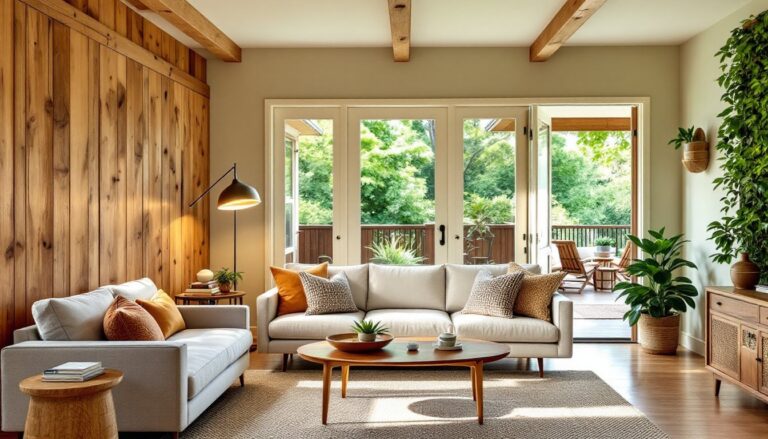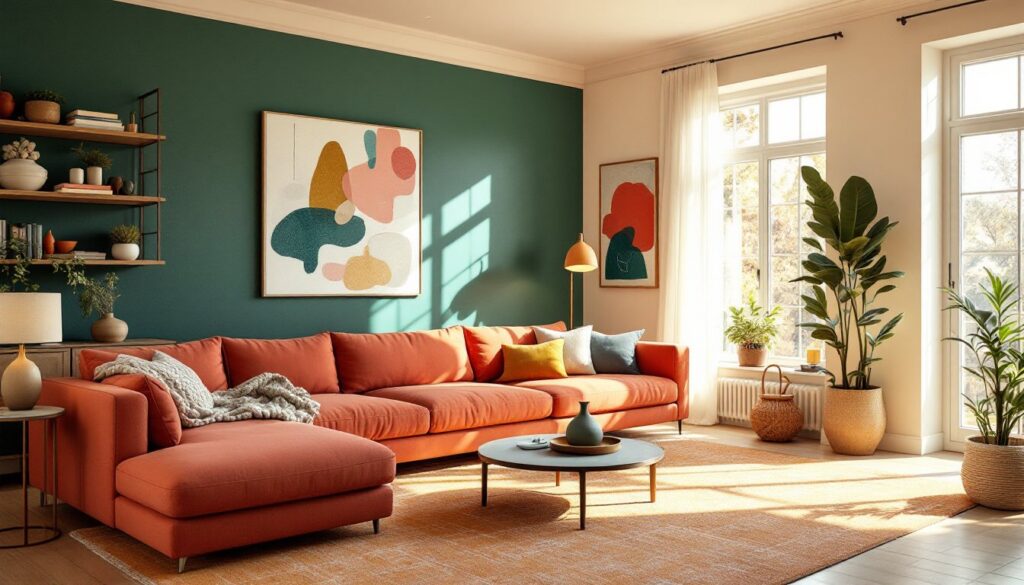
You know that feeling when you walk into a room and instantly feel happier? That’s the whole point of dopamine interior design. Instead of playing it safe with beige walls and neutral everything, this trend puts mood-boosting color, texture, and light at the center of how you design your home. It’s not about maximalism for its own sake, it’s about intentionally choosing elements that trigger positive emotions and make your space feel alive. Whether you’re redecorating a single room or rethinking your entire home, dopamine interior design offers a practical framework for creating spaces you actually want to spend time in.
Table of Contents
ToggleKey Takeaways
- Dopamine interior design focuses on intentionally choosing colors, textures, and lighting that trigger positive emotions and make your space feel alive, rather than defaulting to neutral palettes.
- Start your dopamine interior design journey by selecting 2-3 primary colors that genuinely spark joy, then test them on walls with large sample patches to see how they look at different times of day.
- Layer multiple textures—such as plush fabrics, smooth metals, and rough wood—in every room to create sensory richness and engage your brain’s pleasure response.
- Lighting is non-negotiable: use warm 2700K bulbs, task lighting for function, and ambient lighting for mood, as harsh overhead lights undermine even the most colorful design.
- Avoid confusing dopamine interior design with clutter by starting with one bold element per room and building gradually rather than overwhelming your space with multiple colors and patterns at once.
- Prioritize functionality alongside aesthetics, ensuring that beautiful elements like bookshelves and colorful canisters actually serve a purpose in your daily life.
What Is Dopamine Interior Design?
Dopamine interior design is a deliberate approach to decorating that focuses on creating mood-lifting environments through color, sensory experience, and personal joy. The concept builds on neuroscience, dopamine is the brain’s feel-good chemical, but it’s not pseudoscience. The idea is straightforward: surround yourself with things that make you happy and engaged.
Unlike minimalism’s restraint or cottagecore’s nostalgia, dopamine design asks a simple question: Does this element bring me joy or energy? If it does, it belongs. If it doesn’t, reconsider.
Core Principles That Make It Work
The foundation of dopamine design rests on four core principles. Color vibrancy is the most visible element, think jewel tones, bold primaries, or unexpected pops of hue rather than safe grays and taupes. Sensory richness means layering textures: soft fabrics, smooth metals, rough wood, and matte finishes all playing together. Intentional lighting shapes mood dramatically: warm ambient light, task lighting, and natural daylight each serve a purpose. Personal authenticity ties it together, your space should reflect what genuinely makes you happy, not what an algorithm says should.
When planning your dopamine interior design approach, start by identifying what colors and textures genuinely lift your mood. Don’t force trends that don’t resonate with you just because they’re popular in 2026.
How To Choose Colors That Boost Your Mood
Color choice is the backbone of dopamine design, but it’s not about chaos. The goal is selecting hues that genuinely energize or calm you, and that combination matters.
Start by choosing a primary palette of 2–3 colors that spark joy. If you love warm tones, burnt orange, terracotta, and golden yellow might form your base. If cool tones appeal to you, teal, sapphire blue, and sage could work. Avoid picking colors because you think you should: test them on your walls first using large sample patches (at least 2 feet by 2 feet) and observe them at different times of day. Morning light and evening light completely change how a color reads.
Next, add accent colors in smaller doses. A single jewel-toned accent wall, colorful artwork, or a vibrant rug provides visual interest without overwhelming the space. Deep purples, emerald greens, and rich corals work well as accents because they naturally draw the eye without requiring the whole room to be painted that shade.
Don’t neglect neutrals, they’re the glue holding dopamine spaces together. Warm whites, soft beiges, and weathered grays provide breathing room so bold colors pop instead of clash. Think of neutrals as the canvas: bold hues are the painting. Interior Design Tips: Transform your approach by using color intentionally rather than defaulting to what’s “safe.” Your mood will shift noticeably when you surround yourself with hues that genuinely speak to you, not ones that photograph well.
Essential Elements: Texture, Light, and Functionality
Color alone won’t carry dopamine design. Texture and light do the heavy lifting in creating an environment that feels physically and emotionally engaging.
Texture is where dopamine design gets tactile. Layer a plush velvet sofa with a chunky knit throw, pair glossy ceramic tiles with matte wood shelving, and mix smooth metals with rough-hewn wood. When you run your hand across a nubby linen curtain or sink into a soft area rug, your brain registers pleasure, that’s dopamine at work. Mix at least three different textures in any given room so the space feels intentional rather than random.
Lighting controls mood more than most people realize. A room flooded with harsh overhead lights feels institutional: the same room with warm 2700K color temperature bulbs, layered lamps, and natural daylight feels welcoming. Use task lighting (a desk lamp, reading light) where you actually do things, and ambient lighting (wall sconces, string lights) to set the overall mood. If natural light is limited, consider warm LED panels or fabric-diffused lamps that mimic daylight without the glare.
Functionality keeps dopamine design from becoming a decoration-only exercise. That beautiful bookshelf should actually hold books you read. The colorful kitchen canisters should store ingredients you use. Modern Interior Design: Transform your thinking by making every element earn its place through both beauty and use. Spaces that don’t function well stress you out, no matter how pretty they are.
Room-By-Room Dopamine Design Ideas You Can Start Today
Kitchen & Dining: Paint lower cabinets a bold color (navy, forest green, or warm terracotta) while keeping uppers light to avoid heaviness. Add a colorful backsplash tile, vibrant kitchen textiles like oven mitts and tea towels, and warm pendant lighting over the counter. Open shelving displaying colorful dishes makes the kitchen feel intentional and cheerful.
Bedroom: This is where dopamine design can feel indulgent. A jewel-toned accent wall behind the bed, layered bedding in complementary colors (a coral duvet with a mustard throw), and warm nightstand lamps at 2700K create a cozy nest. Plants add texture and a sense of calm, oxygen-producing greenery genuinely improves mood and air quality.
Living Room: This is your showcase space. One statement wall in a bold hue, a colorful area rug anchoring the seating, and mixed texture furniture (a leather sofa with a linen armchair and velvet ottoman) create visual interest. Artwork, throw pillows, and books on display contribute to the sensory-rich environment.
Bathroom: Often overlooked, bathrooms benefit hugely from dopamine design. A colorful shower curtain, warm lighting with a sconce or vanity fixture at 2700K, colorful storage baskets, and a plush bath mat transform a utilitarian space into a spa-like retreat.
Home Office: Office Interior Design: Transform your workspace with a vibrant accent wall or colorful desk accessories. Good task lighting (a warm desk lamp prevents eye strain), a comfortable ergonomic chair, and personal objects that spark joy make working from home genuinely pleasant. A plant on the desk or windowsill boosts focus and mood.
Common Mistakes to Avoid When Implementing This Trend
The biggest dopamine design mistake is confusing it with clutter. Having too many colors, patterns, and objects creates visual chaos, not dopamine hits. Start with one bold element per room, then build from there. If you paint a bright accent wall, keep nearby furniture more neutral so the wall becomes the star.
Another pitfall is ignoring your actual preferences. Dopamine design only works if the elements genuinely make you happy. If jewel tones stress you out, pastels energize you, or you’re drawn to warm neutrals, honor that. Trends shift: your comfort in your own home doesn’t.
Poor lighting undermines everything else. Even a perfectly colorful room feels drained under cold, harsh overhead lights. Invest in quality warm-bulb fixtures and layer your lighting. This is non-negotiable.
Don’t skip the foundational prep work either. A beautifully colored room with dinged-up walls, stained upholstery, or water damage won’t feel good. Paint quality matters, use a quality primer and finish paint in your chosen colors. Prep walls properly, and if you’re reupholstering furniture, choose durable, washable fabrics that can handle real life.
Finally, resist the urge to do everything at once. Carry out dopamine design gradually. Paint one room, live in it for a month, then add layers. Interior Design App: Transform your planning process by using design tools to visualize ideas before committing. Dopamine design is about sustainable joy, not overwhelming yourself with a weekend overhaul.
Conclusion
Dopamine interior design isn’t complicated, it’s about surrounding yourself with colors, textures, and light that make you feel good. Start small, trust your instincts, and remember that your home should nourish you emotionally, not stress you out. The 2026 version of dopamine design is mature and personalized, moving away from generic trends toward spaces that genuinely reflect who you are. Build your space intentionally, one room at a time, and you’ll create a home that energizes and soothes you every single day.