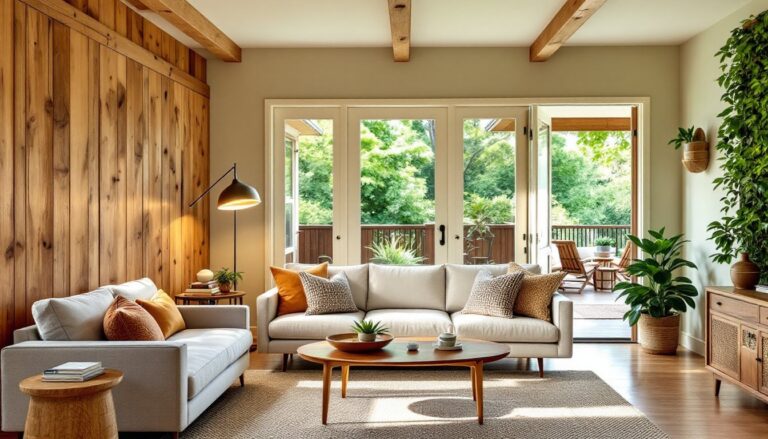
Interior plant design has moved far beyond sticking a pothos in a corner and hoping for the best. Today’s homeowners understand that plants aren’t just décor, they’re living design elements that breathe life into a room, literally and figuratively. Whether you’re working with a sunlit modern loft or a cozy apartment with limited natural light, the right approach to interior plant design transforms how a space looks and feels. This guide walks you through the practical side of adding plants to your home: choosing the right species for your conditions, styling them strategically, and maintaining them without burning out. No green thumb required, just honest advice and a willingness to learn what your space actually needs.
Table of Contents
ToggleKey Takeaways
- Interior plant design starts with honest assessment of your light conditions—north-facing rooms need low-light tolerant species like pothos and snake plants, while south and west-facing spaces can handle sun-loving succulents and monstera.
- Overwatering is the leading cause of houseplant failure; check soil moisture two inches down with your finger and only water when it feels dry to prevent root rot and keep roots oxygenated.
- Strategic placement using odd numbers, varied heights, and clusters creates intentional design impact—tall plants in corners act as room dividers, while trailing varieties on high shelves add visual interest without occupying floor space.
- Select durable starter plants like pothos, ZZ plants, and snake plants to build confidence before branching into higher-maintenance species like ferns and calathea.
- Proper pot selection with drainage holes, consistent fertilizing during growing seasons, and monthly leaf dusting are essential maintenance routines that keep plants healthy and your interior plant design looking sharp.
Why Plants Matter in Home Interior Design
Plants do something no other décor element can pull off: they improve air quality while looking great doing it. They absorb carbon dioxide and release oxygen, which means better breathing air in your home. Beyond the science, plants add color variation, texture, and vertical interest, three things interior designers obsess over. A tall rubber plant in a corner draws the eye upward in a low-ceilinged room. Trailing pothos along a shelf softens hard edges. A cluster of fiddle leaf figs creates an instant focal point.
Psychologically, spaces with plants feel calmer and more welcoming. They reduce stress and make rooms feel less sterile or corporate. On the practical side, plants are relatively inexpensive compared to furniture or art, and they grow with your space. You can experiment, move them around, and reshape your design without a major investment. For anyone working with an open floor plan or trying to create a serene sanctuary, plants add softness and separation in a way that feels organic rather than forced.
Choosing the Right Plants for Your Space
Picking plants blindly is how you end up with dead foliage and frustration. The real decision-maker is light. Before you buy anything, spend a few days watching how light moves through your room. Does your north-facing living room stay dim most of the day? That calls for low-light tolerant plants like pothos, snake plants, or ZZ plants. East-facing windows with soft morning sun? Peperomia and begonias thrive there. South and west-facing rooms get intense afternoon light, those spaces can handle succulents, echeveria, and aloe.
Temperature and humidity matter too. Tropical plants like monstera and anthhurium prefer warmth and moisture, making them better suited to bathrooms or kitchens than cold, dry bedrooms. Cacti and succulents, on the other hand, actually prefer dry air and infrequent watering. If your home stays around 65–75°F with moderate humidity, you’ve got options across most plant types.
Consider your lifestyle honestly. Are you someone who waters consistently, or do you forget for weeks? Low-maintenance plants like pothos, snake plant, and ZZ can handle neglect. Ferns and calathea, beautiful as they are, need consistent moisture and humidity, they’ll stress if conditions aren’t right. If you travel for work, slow-growing, drought-tolerant plants save you guilt and dead stems.
Understanding Light and Environment Needs
Most houseplants fall into three light categories: low light (north-facing windows, interior corners away from windows), medium light (east-facing windows or filtered sun), and bright, indirect light (south or west-facing windows with sheer curtains). A few plants tolerate direct sun (succulents, some dracaena varieties), but most houseplants actually prefer bright, indirect light, the kind you get when sun filters through a sheer curtain or bounces off a light-colored wall.
Water needs follow light exposure roughly. High-light plants tend to dry faster and may need more frequent watering. Low-light plants photosynthesize slowly and need less water: overwatering them is the top killer. The soil should feel slightly damp for ferns and calathea, but dry out between waterings for pothos and snake plants. Use your finger as a moisture meter, stick it two inches into the soil. If it’s wet, hold off watering. If it’s dry, water until it drains from the bottom.
Air circulation and humidity also affect plant health. Stagnant air invites spider mites and mildew. A ceiling fan on low or a nearby oscillating fan helps without blasting plants. If you live somewhere dry, cluster plants together, they release moisture as they transpire, creating a more humid microclimate. Bathrooms naturally have higher humidity and are excellent for tropical plants.
Styling and Placement Strategies
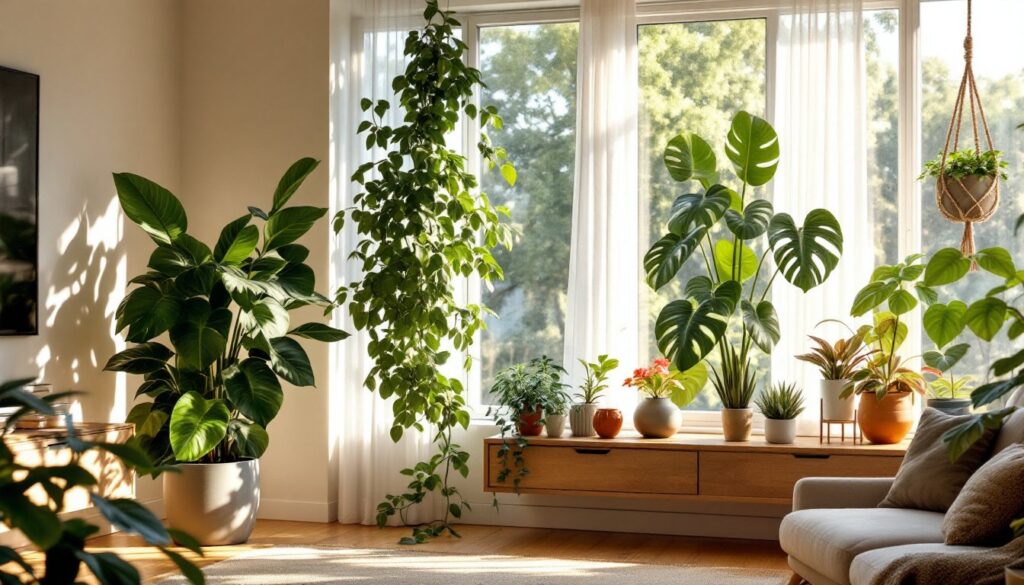
Plants aren’t just thrown randomly into a room, placement matters as much as the plant itself. In open-concept homes, tall plants like rubber trees or monstera deliciosa act as living room dividers, creating visual separation without walls. Group plants by height: taller specimens in corners or behind furniture, medium plants on side tables, and trailing varieties on high shelves where they spill down naturally.
Odd numbers work better than even. Three plants clustered together look more intentional than two. Five plants at varying heights and distances create rhythm. Avoid lining plants up against a wall like soldiers, stagger them at different depths and distances from the wall to add dimension. Repetition of the same plant (three snake plants in different corners, for instance) also reads as intentional design rather than accidental.
Container selection ties into the overall look. A sleek modern space calls for minimal ceramic or concrete pots. Farmhouse styles work with terracotta or woven baskets. Japandi interiors pair well with simple ceramic in muted tones. Match pot color to your wall or complement your accent colors, but avoid too many competing patterns or materials. Oversized pots filled with a single statement plant often look more sophisticated than a forest of small pots.
Windowsills are obvious but effective. A row of sun-loving succulents or trailing string of pearls on a bright south-facing sill gives you a living tapestry. Corner plant stands, floor-mounted plant stands, and hanging planters add vertical variety without eating floor space. In rooms with high ceilings, hanging plants draw the eye down and fill otherwise wasted space. Recent design trends show that houseplants can make a room look bigger by adding layered depth and creating visual breaks.
Creating a Low-Maintenance Plant Design Plan
Low-maintenance doesn’t mean you ignore your plants, it means you pick species and set up routines that work with your schedule, not against it. Start by selecting no more than three to five plant types to begin with. Master caring for pothos, snake plant, and ZZ plant first: they’re nearly indestructible. Once you’re confident, branch out.
Water on a schedule, not by guessing. Most houseplants prefer drying out slightly between waterings rather than staying constantly moist. Sunday mornings work for many people. Check soil moisture before watering: if it’s still damp, wait a few days. During winter, when growth slows, many plants need less water. Overwatering kills more houseplants than underwatering ever could.
Choose pots with drainage holes and set them on saucers to catch excess water. Never let plants sit in standing water. This prevents root rot, the silent killer of many houseplants. Pot size also matters, plants in oversized pots with too much soil stay soggy and develop rot. A general rule: the pot should be one to two inches larger in diameter than the plant’s root ball.
For styling consistency, plant species that prefer similar conditions together. Cluster low-light, drought-tolerant plants in one area: group sun-loving tropicals in another. This lets you tailor care to each zone rather than treating every plant as an individual project. Tall plants in corners can go weeks between waterings if you choose slow growers. Hanging trailing plants dry faster due to air circulation around the pot, so check them more frequently.
Dust leaves occasionally (monthly is fine) with a soft, damp cloth. Dusty leaves can’t absorb light as well. Feed growing plants during spring and summer with a balanced houseplant fertilizer at half strength every two to four weeks. In fall and winter, most plants slow down and need no feeding. Prune dead or yellowing leaves as soon as you spot them, this encourages healthy new growth and keeps plants looking sharp.
Common Mistakes to Avoid
The biggest mistake is choosing plants based on aesthetics alone without considering your actual light and water conditions. That gorgeous fiddle leaf fig sounds perfect until it drops every leaf because your living room faces north. Measure your light honestly. If you don’t have a south or west-facing window, low-light plants aren’t a fallback, they’re your first choice.
Overwatering is mistake number two. Homeowners think they’re helping by watering often, but soil that never dries out causes root rot. Roots need oxygen, and soggy soil suffocates them. Stick a finger in the soil. If it’s moist two inches down, don’t water yet. That’s it. Watering less often beats watering more frequently in almost every case.
Ignoring humidity and air circulation creates pest and mold problems. Spider mites thrive on dusty leaves in stagnant air. Mold grows on consistently wet leaves. Spot-check leaves weekly, especially the undersides. At the first sign of webbing or sticky residue, isolate the plant and spray with water or neem oil. Poor air circulation often causes these issues before pests even arrive.
Another common error: using decorative pots without drainage holes. Plants need water to drain completely, and fancy ceramic with no drainage hole guarantees root rot. Always use a pot with a drainage hole and set it on a saucer. You can drop that pot inside a decorative cachepot if you want the look, but never pot a plant directly into a pot without drainage.
Finally, avoid expecting instant results. Interior plant design is a process. You’re not decorating with static objects, you’re welcoming living things that need time to adjust to your space. New plants sometimes drop leaves or show stress for the first few weeks after moving. That’s normal acclimation, not failure. Give plants two to four weeks to settle in before deciding they won’t work. As you build your modern interior design with plants, remember that design assets like these resources from Hunker and The Spruce offer additional plant styling and care tips when you need them.
Conclusion
Interior plant design isn’t complicated once you match plants to your light, avoid overwatering, and think about placement strategically. Start small, get comfortable with two or three species, and build from there. Plants transform a room from looking designed to looking lived-in, the kind of space people actually want to spend time in. Your home will thank you.