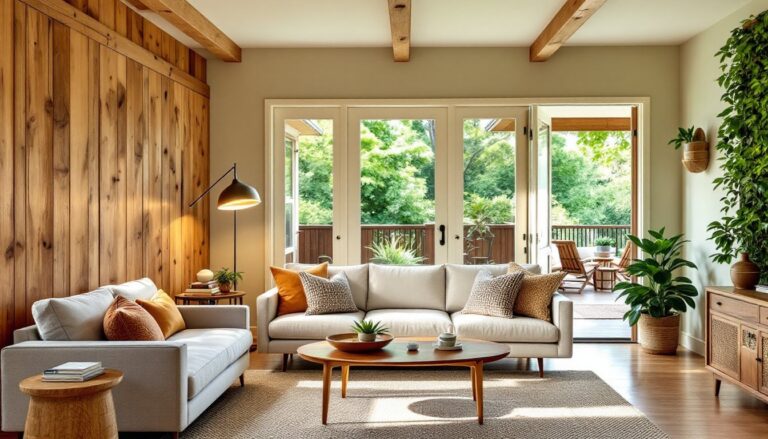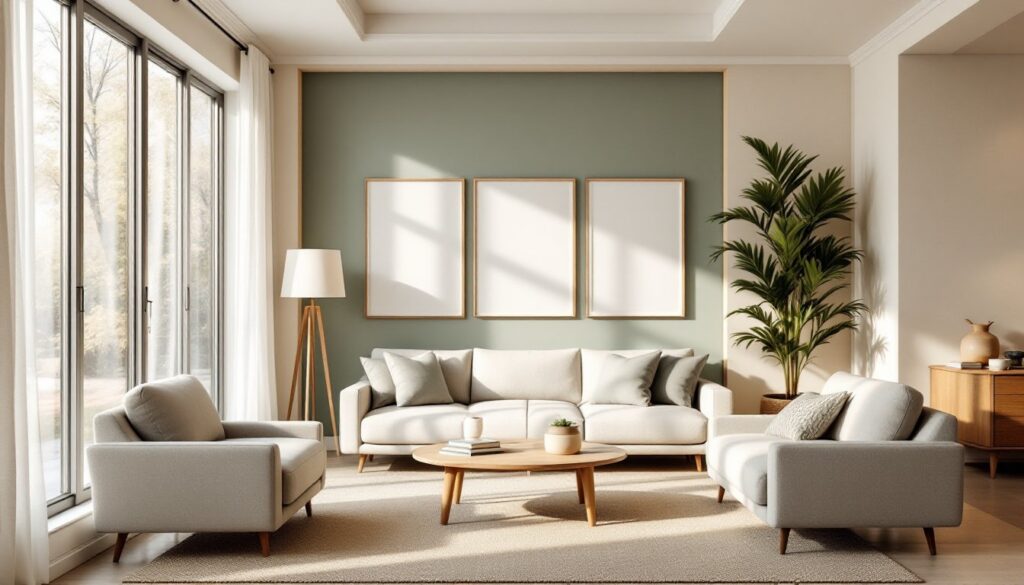
Most DIYers pick up design knowledge the hard way: trial and error, Pinterest scrolls at midnight, and rooms that look “almost right” but feel off somehow. An interior design minor, whether pursued formally through community college courses or self-directed study, offers a structured framework that transforms guesswork into well-informed choice-making. This isn’t about becoming a licensed designer: it’s about understanding the principles that separate amateur rearrangement from thoughtful, functional spaces. For homeowners tackling renovation projects, weekend decorating upgrades, or simply trying to make a rental feel like home, even foundational design training reshapes how you approach every room in your house.
Table of Contents
ToggleKey Takeaways
- An interior design minor provides a structured framework of principles and methodology that transforms DIY decorating from guesswork into informed, confident decision-making without requiring a five-year professional degree commitment.
- Understanding design fundamentals like color theory, balance, proportion, and space planning directly applies to renovation projects, helping homeowners save money and communicate better with contractors.
- Color theory knowledge prevents costly mistakes like repainting by teaching how colors interact under different lighting conditions and why neutral bases with strategic accents work in modern interior design.
- Space planning and furniture selection techniques make shopping intentional—knowing standard furniture dimensions and traffic flow principles means rooms function better and feel more curated.
- An interior design minor teaches you to see finishing details like paint, hardware, and artwork as a cohesive system rather than isolated choices, creating polished, professional-looking spaces.
What Is an Interior Design Minor and Why It Matters for Home Enthusiasts
An interior design minor is a certificate or degree path, typically 18–36 credit hours, that covers design fundamentals without the five-year commitment of a full design degree. Community colleges, continuing education programs, and some universities offer these programs, and many are available online. They’re not a licensing track (professional interior designers meet different credentialing requirements), but they’re rigorous enough to teach real methodology.
For a home DIY enthusiast, this matters because design isn’t intuition, it’s applied science. When you understand how colors interact, how negative space affects perceived room size, or why certain furniture proportions work together, you make smarter choices. You stop buying that decorative mirror just because it’s pretty, and instead ask whether it solves a functional need or balances the wall’s visual weight. Those with interior design jobs apply these same principles daily, and homeowners benefit from the same toolkit. A minor gives you the vocabulary and reasoning to justify decisions, communicate with contractors, and catch design problems before you invest money.
Core Curriculum: What You’ll Learn in an Interior Design Minor
Most interior design minors follow a similar structure: foundational design principles in the first course, followed by technical electives in color theory, space planning, materials, and sometimes digital visualization.
Design Principles and Color Theory Fundamentals
Design principles are the rules of composition. You’ll study balance (symmetrical and asymmetrical), proportion and scale, emphasis, rhythm, and harmony. These aren’t arbitrary, they’re based on how the human eye processes visual information. Balance keeps a room from feeling lopsided. Proportion ensures a sofa doesn’t dwarf the room or disappear into it.
Color theory teaches you why certain color combinations work. You’ll learn about the color wheel, complementary and analogous palettes, and undertones. This is critical for DIYers because a paint color that looks perfect in a 2-inch sample card can feel wrong on a 400-square-foot wall. Understanding warm versus cool undertones, light reflection, and how colors interact with different lighting conditions, natural versus incandescent, for instance, prevents costly repaints. Modern interior design often relies on neutral bases with strategic accent colors, and understanding why that approach works comes from color theory.
Space Planning and Furniture Selection Techniques
Space planning is the practical half of design education. You’ll learn to take measurements, sketch floor plans to scale, and understand traffic flow. This is where design becomes actionable for homeowners. Professionals use software, but the underlying logic is the same: furniture should help movement, conversation, and the room’s intended function, not fight it.
Furniture selection techniques cover sizing, proportion, and ergonomics. A standard sofa is 36–40 inches deep: an armchair typically 32–36 inches. Knowing these dimensions means you can walk into a showroom or scroll online and instantly recognize whether something will fit and function in your space. Scandinavian interior design exemplifies this principle, every piece serves a purpose and fits the scale of the room. You’ll also learn about sight lines, negative space, and layering, which separates rooms that feel curated from rooms that just have stuff in them.
How an Interior Design Minor Applies to DIY and Home Renovation Projects
Here’s where the rubber meets the road. An interior design minor isn’t theoretical, it’s directly applicable to the projects most homeowners face.
Before renovation: You sketch and measure. Instead of assuming a 10-foot wall needs a 72-inch sofa, you actually calculate it. You plan lighting layers (ambient, task, accent) rather than relying on a single overhead fixture. This prep work saves thousands in purchases and rework.
During renovation: You communicate better with contractors. When a kitchen renovation happens, you understand the relationship between counter depth (typically 24–25 inches), height, and workflow. You can discuss layout options, galley, L-shaped, island, and understand why they work or don’t work for your family’s cooking style and traffic patterns. Design knowledge helps you make trade-offs: if your budget doesn’t stretch to marble counters, material selection and color choices keep the space cohesive.
Finishing work: Paint, hardware, backsplash, window treatments, these decisions compound. A minor teaches you to see these as a system, not isolated choices. You select a paint color that echoes undertones in your flooring, choose hardware that reinforces your style, and hang artwork at the right height and in proportion to wall space. According to design standards available on platforms like HGTV, artwork centers at 57–60 inches from the floor: that’s not magic, that’s optics.
For projects like office interior design, whether it’s a home office or a workspace refresh, design principles directly impact productivity and comfort. Proper task lighting reduces eye strain. Ergonomic furniture placement prevents back pain. Acoustics, managing sound reflection and absorption, improve focus. A homeowner with design training makes these choices intentionally instead of reactively.
Resources like Hunker and MyDomaine publish design-driven guides, and readers with a minor can critically evaluate whether recommendations suit their actual needs. You’re not just copying a trend: you’re adapting principles to your space, budget, and lifestyle. Even trending styles like Japandi interior design, which blends minimalist Japanese aesthetics with Scandinavian warmth, become reproducible once you understand the underlying design logic: uncluttered space, natural materials, functionality, and intentional negative space.
Conclusion
An interior design minor isn’t a luxury for wannabe professionals, it’s a toolkit for anyone who wants to make intentional, confident decisions about their living space. The investment of time and modest tuition yields returns every time you renovate, decorate, or troubleshoot a room that doesn’t feel right. Whether you’re pursuing interior design salary prospects or simply want to stop relying on Pinterest, the fundamentals matter. Space planning, color theory, and design principles transform DIY from guesswork into craft.