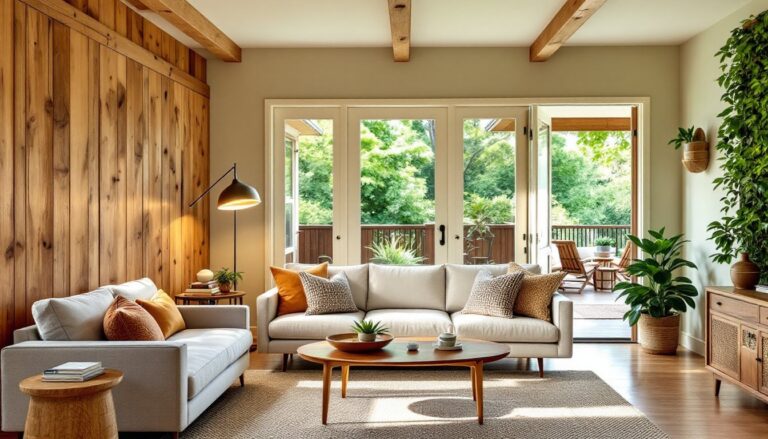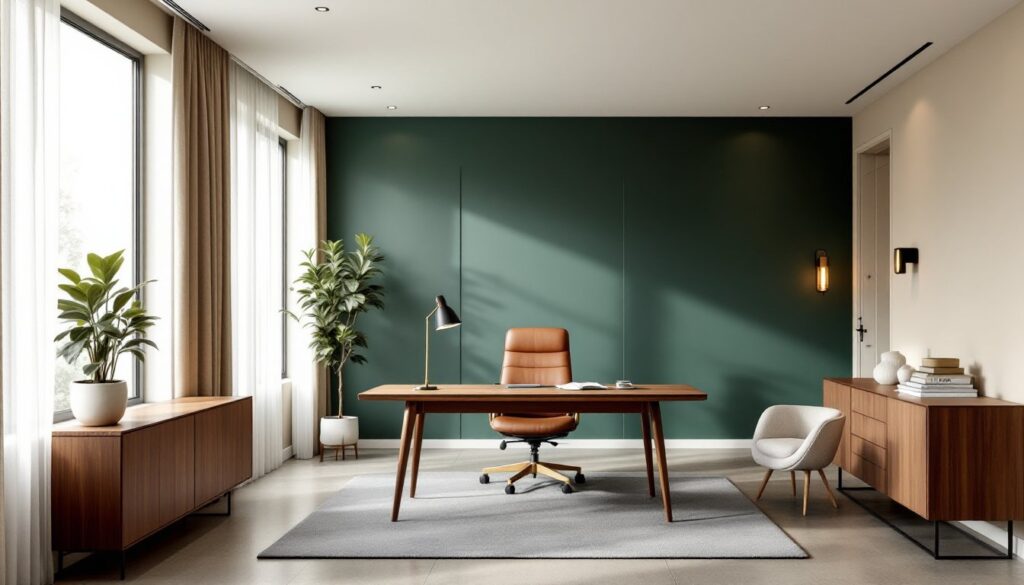
A well-designed office space isn’t a luxury, it’s an investment in how you work and think. Whether you’re setting up a remote executive workspace or revamping a corporate office, luxury office interior design balances aesthetics with function, creating an environment that commands respect and inspires focus. The difference between a generic workspace and a high-end one often comes down to material choices, lighting strategy, and thoughtful layout. This guide walks you through the essentials of creating a professional, refined office that reflects your standards without requiring a Fortune 500 budget.
Table of Contents
ToggleKey Takeaways
- Luxury office interior design balances premium materials, intentional layouts, and refined finishes to create a professional environment that improves focus and commands credibility without requiring excessive spending.
- Strategic lighting with warm color temperatures (2700K–3000K), layered ambient sources, and task lighting is essential to eliminate harsh shadows and create a sophisticated, welcoming atmosphere.
- A cohesive color palette limited to three colors—80–85% neutral base, a secondary accent, and one highlight—creates visual discipline that reads as luxury through restraint rather than abundance.
- Invest in high-quality foundational pieces like a hardwood desk, ergonomic chair ($400–800), and durable flooring while using cost-effective upgrades like paint, hardware, and textiles for outsized visual impact.
- Thoughtful furniture arrangement positioning your desk to face the door, incorporating visitor seating, and leaving negative space maximizes both functionality and the perception of a refined executive workspace.
Why Luxury Office Design Matters for Remote and Executive Spaces
Your office is where critical thinking happens. A carefully designed space reduces distractions, supports posture and health, and signals competence to clients and colleagues alike. Remote workers especially benefit from a dedicated, polished environment that separates professional life from home casual.
Luxury design in an office isn’t about ornament for its own sake, it’s about intentionality. Every material choice, color, and piece of furniture should earn its place. A leather desk chair supports your back for eight hours: marble or quality stone surfaces age beautifully and feel solid underfoot. These details accumulate into an atmosphere of confidence.
Executive spaces also set a psychological tone. Research in environmental psychology shows that thoughtfully designed spaces improve focus, reduce stress, and enhance decision-making. When clients or team members enter a refined office, they unconsciously register professionalism before you say a word. That credibility, built through design, is worth the investment.
Essential Elements of Luxury Office Interior Design
Premium Materials and Finishes
Luxury starts with what you touch and see every day. Hardwood desks (walnut, oak, or veneer over plywood with real wood edges) outperform laminate in both durability and feel. Genuine leather, wool, or high-performance fabric chairs age with character, unlike cheap synthetics that pill and crack. Real stone veneer, solid surface countertops, or quality wood paneling for accent walls elevate the visual weight of a room instantly.
Flooring matters more than many realize. Polished concrete, real hardwood, or quality tile grounds the space: wall-to-wall carpet is practical for sound control but reads less refined unless it’s a premium wool blend. If you choose carpet, invest in a durable commercial-grade product rated for high traffic.
Finish details are tell-tale signs of quality. Brushed brass or matte black hardware, real wood trim with clean miters, and paint with a subtle sheen (eggshell or satin, never flat on office walls) signal intention. Avoid high-gloss finishes unless you’re going for an ultra-modern vibe: they show every fingerprint and feel plastic.
Lighting and Ambiance
Bad lighting kills a luxury office in seconds. Task lighting at the desk is non-negotiable, a quality desk lamp with LED bulbs (2700K-3000K color temperature for warmth, 4000K if you need brighter focus) should have an adjustable arm so you’re not casting shadows on your work. Avoid harsh overhead fluorescents: they flatten colors and tire eyes. If your office has a ceiling fixture, replace it with dimmable LED panels that mimic natural daylight.
Ambient lighting from architectural fixtures, wall sconces, recessed lights, or a statement pendant, creates layers. These should be on a dimmer so you can adjust mood throughout the day. Natural light is always preferable: if your office has windows, use sheer curtains or quality roller shades that filter without blocking sight lines.
The color temperature of your bulbs affects perceived luxury. Warm white light (2700K) feels welcoming and supports concentration: cooler white (4000K+) suits spaces where detail work or client meetings happen. Avoid mixing color temperatures in one room, it looks confused and breaks the cohesive feel you’re building.
Accent lighting on art, shelving, or architectural details adds depth. A small spotlight on a framed piece or floating shelves feels intentional and sophisticated without being overwrought.
Color Palettes and Styling for Executive Workspaces
A refined office relies on restraint, not abundance. Limit your palette to three primary colors: a neutral base (soft gray, warm taupe, soft white, or soft black for drama), a secondary accent (deep navy, forest green, muted terracotta, or warm charcoal), and one highlight (cream, soft gold, or a muted jewel tone). This keeps the space feeling intentional rather than chaotic.
Neutrals dominate for good reason: they expand the visual space, accommodate changing mood, and frame other design elements without competing. Paint 80–85% of the walls in your neutral base. The secondary accent, applied to one feature wall or as trim, adds sophistication without overwhelming. Too many colors feel scattered: a tight palette reads as luxury through discipline.
According to sources like Elle Decor, contemporary executive spaces favor cool, muted tones that feel both classic and current. Soft grays paired with deep greens or navy create a grounded, professional vibe. Warm neutrals (taupe, soft greige) pair beautifully with warm accent colors like rust or clay, ideal if your office receives plenty of natural light.
Styling should be minimal and purposeful. A few carefully selected art pieces, a small plant (low-maintenance like a snake plant or pothos in a quality ceramic pot), and perhaps one decorative object that speaks to your profession or interests add personality without clutter. Avoid decorative items that don’t serve a visual or functional purpose: they dilute luxury.
Textures, a wool area rug, linen curtains, a wood-slat accent wall, add richness without color. They catch light and create visual interest, making the space feel layered and designed.
Furniture Selection and Layout Strategy
The right furniture is the skeleton of your office. A quality desk, whether traditional wood, a sleek floating design, or a modern combination of materials, should be appropriately scaled to your room. A 48–60 inch desk accommodates a computer, paperwork, and breathing room without eating the entire office. Solid wood or real veneer desks age better than particleboard: check the edge banding on budget options to ensure it’s real wood, not plastic tape.
Your chair is a health investment. An ergonomic task chair with proper lumbar support, armrests, and adjustable height prevents back strain and projects professionalism. Leather or high-quality mesh outperforms cheap fabric: expect to spend $400–800 on a chair that’ll last a decade and look good doing it.
Secondary furniture should serve function or beauty, ideally both. A credenza or low shelving unit provides storage and a surface for displays: a small side table accommodates a visitor or holds reference materials. Every piece should feel intentional, not just filler. Architectural Digest frequently showcases executive offices where furniture arrangement creates natural workflow: desk positioned to take advantage of natural light, visitors’ seating angled for conversation, storage tucked into corners or walls to maximize open floor area.
Layout strategy is critical. Position your desk to face the door if possible (psychological principle: you see people entering). Ensure at least one comfortable visitor’s chair: lonely offices without seating for clients feel cold. Leave negative space: a packed room feels cramped, not luxe. A simple rug anchors the desk area and defines the space within a larger room. Keep pathways clear and functional, traffic patterns matter.
Practical Tips for Luxury Office Renovation on a Budget
Luxury doesn’t require unlimited spending: it requires smart choices. Start by identifying your splurge items: the desk, chair, and lighting usually deserve investment because you live with them daily. Paint, hardware, and textiles offer outsized visual impact for modest cost.
Shop intelligently. Mid-market furniture retailers offer surprisingly solid pieces at 50–60% less than premium brands: inspect joints, check fabric durability, and verify construction before buying. Real hardwood veneers over plywood are acceptable for tables and shelving if the veneer is substantial and edges are solid. Avoid anything with stapled, glued-on veneer that will chip or peel.
Paint is the cheapest renovation with the highest return. A fresh coat in a sophisticated neutral costs $200–500 (materials and professional application): it transforms the entire space. Home Bunch often highlights how paint selection sets the tone for luxury interiors, investing in premium interior paint with good coverage saves recoating and extends durability.
Secondhand and vintage can add character if done thoughtfully. An authentic wood desk from a thrift store or estate sale, restored with quality stain and sealed, reads as intentional and sophisticated. Avoid mismatched garage-sale clutter: curated vintage feels designed, random accumulation feels neglected.
DIY finishing touches: install floating shelves yourself using quality brackets and real wood or quality plywood with finished edges. Replace cheap light fixtures and outlet covers with brushed brass or matte black hardware ($50–150 in materials). These small upgrades compound into perceived luxury without major expense. Quality wallpaper on one accent wall or a professional-looking fabric wall treatment (stretched between frames) is another high-impact, achievable upgrade.
Focus your renovation budget on visible, high-touch items: flooring, major furniture, and lighting. Skim on hidden costs like extra storage or backup systems. The visible, daily experience determines whether the space feels luxurious, and that’s where your money should go.