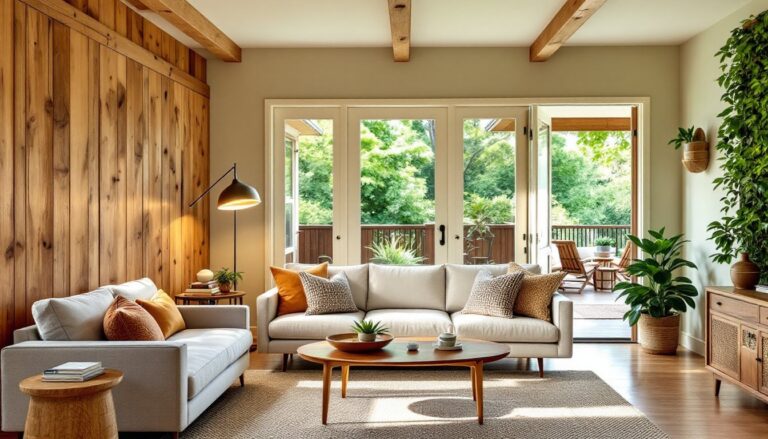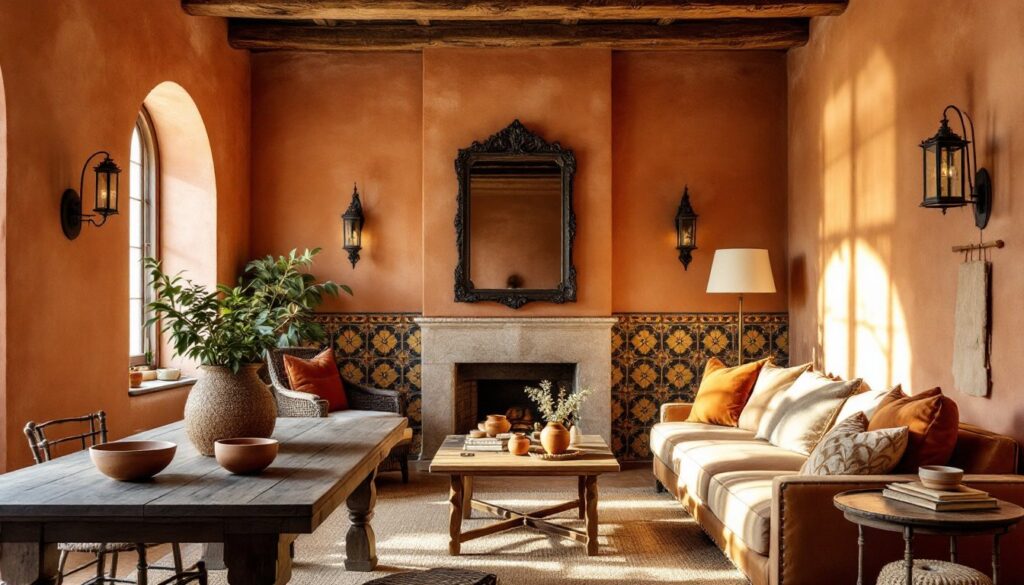
Spanish interior design brings warmth, character, and timeless appeal to any home. Whether you’re drawn to the earthy terracotta tones of modern Spanish colonial interior design or the clean lines of contemporary Spanish aesthetics, this style blends Old World charm with livable, practical spaces. The beauty of Spanish design lies in its flexibility, you can apply it to a single room or your entire home, and it works on nearly any budget. From DIYers tackling their first decorating project to homeowners planning a full renovation, Spanish interior design offers proven principles that transform spaces without requiring professional design fees or major structural work. Let’s walk through the key elements, from wall treatments to furniture choices, so you can confidently bring this inviting style into your home.
Table of Contents
ToggleKey Takeaways
- Spanish interior design brings warmth and Old World charm to any space using earthy terracotta tones, hand-crafted textures, and natural materials that work on nearly any budget.
- Authentic Spanish color palettes center on warm earth tones like terracotta, ochre, and cream with vibrant accent colors inspired by tiles and folk art, avoiding pure white in favor of warm whites.
- Tiles are the signature of Spanish interior design, with hand-painted patterns and geometric layouts available at $8–$20 per tile for features or $2–$6 per tile for plain terracotta, offering serious visual impact without breaking the budget.
- Spanish furniture prioritizes comfort and craftsmanship through heavy wood frames, wrought-iron details, and leather upholstery, arranged to encourage conversation and gathering rather than isolation.
- Layered lighting from wrought-iron fixtures, pendant lights, and dimmer switches creates warmth and depth, while decorative accents like pottery and woven baskets complete the authentic look without overwhelming the space.
- Transform your space into Spanish interior design on a budget by starting with paint ($30–$50 per gallon), sourcing secondhand furniture from estate sales, and DIY-ing details like whitewashing wood or creating gallery walls—no expensive renovations required.
The Core Elements of Spanish Interior Design
Spanish interior design rests on a foundation of warmth, authenticity, and connection to natural materials. The style originated in Spain and evolved through centuries of Moorish, Islamic, and Mediterranean influences, creating a distinctive aesthetic that feels both refined and approachable. Unlike sterile modern design, Spanish interiors embrace visible texture, handcrafted details, and a lived-in comfort that puts people at ease.
Color Palettes and Warm Tones
The color foundation of Spanish design centers on earth tones and warm, saturated hues. Terracotta, burnt sienna, ochre, cream, and deep browns dominate walls and larger surfaces, while accent colors include vibrant reds, blues, and yellows inspired by tiles and folk art. This approach works because these colors reflect natural Mediterranean light and create visual harmony without feeling cold or sterile.
When planning a color scheme, start with one dominant warm tone, say, a muted terracotta on the main wall, then layer in two complementary accent colors through textiles, art, or smaller features. Avoid pure white: instead, use warm whites (cream, ivory, or eggshell) that sit naturally with terracotta and aged plaster. Many DIYers find success with Modern Interior Design: Transform principles applied selectively, keeping Spanish warmth as the anchor while borrowing modern restraint in layout.
Materials and Textures
Spanish design celebrates imperfection and age. Rough plaster walls, hand-thrown ceramics, wrought iron, and reclaimed wood are the bread and butter of authentic Spanish spaces. The tactile quality matters as much as color, a room should feel substantial and inviting to touch.
Key materials include aged wood (exposed beams, wood floors with visible grain), plaster with visible brushstrokes or uneven aging, hand-painted or handmade tiles, and natural fiber textiles like linen and wool. When selecting materials, prioritize longevity and character over pristine finish. A painted wooden door with chipped edges reads as authentic Spanish: a door with perfect factory paint does not. For plaster walls, consider a lime or clay-based finish rather than modern drywall, these age gracefully and let imperfections add to the charm.
Incorporating Tilework Into Your Space
Tiles are the signature of Spanish interior design, particularly in kitchens, bathrooms, and entryways. Spanish tiles combine function with artistry, featuring hand-painted patterns, geometric layouts, and rich glazes that catch light differently depending on the time of day.
There are three practical approaches for DIYers. First, install entire feature walls or accent sections with hand-painted Spanish tiles, these typically run $8–$20 per tile, but a 2×3-foot accent above a kitchen sink or in a powder room bathroom creates serious visual impact without breaking the budget. Second, use plain terracotta tile for large floor areas (less expensive, around $2–$6 per tile) and reserve patterned tiles for trim or smaller details. Third, mix, lay neutral tiles on walls or floors, then add a hand-painted border or framed tile display as a non-permanent accent.
Before installing tiles, ensure your substrate is stable and properly prepared. If tiling over drywall in a bathroom, use cement board (not drywall) and waterproof membrane behind tile in wet areas. Check your local IRC (International Residential Code) requirements for tiling in wet zones: most jurisdictions require proper underlayment and grout sealing in bathrooms. Grout color matters: light grout emphasizes tile pattern, while dark grout creates visual continuity. Spanish design often uses warm gray or tan grout to avoid stark contrast. Plan the tile layout before you start, measure your wall, find the centerline, and dry-lay tiles to avoid awkward cuts at corners or edges. A wet saw (rentable for $20–$40 per day) beats a snap cutter for clean cuts through hand-painted tiles and reduces breakage.
Pattern choices matter. Geometric azulejo patterns (eight-pointed stars, interlocking shapes) feel authentic: mismatched “eclectic” patterns often look forced. Stick to one or two complementary patterns per room. Resources like 12 Spanish-Style Homes That Inspire Wanderlust showcase real examples of how professional designers layer tiles without overwhelming a space.
Furniture and Layout Ideas for Spanish-Inspired Rooms
Spanish furniture prioritizes comfort and craftsmanship. Heavy wood frames, wrought-iron details, leather upholstery, and hand-carved elements define the aesthetic. In a modern Spanish style living room, balance ornate pieces with open space, crowding a room defeats the warm, inviting feel.
Key furniture pieces include a substantial wood dining table (either a family hand-me-down or a reclaimed/reproduction piece), upholstered chairs with nailhead trim or leather details, a low, sturdy coffee table in dark wood, and perhaps a carved wooden cabinet or dresser for storage. Avoid sleek, minimalist furniture or contemporary glass-top pieces, which clash visually with Spanish warmth. Instead, look for pieces with visible wood grain, turned legs, or iron accents.
Layout-wise, Spanish interiors favor seating that encourages gathering rather than isolation. Arrange chairs and sofas to face each other or angle inward, creating natural conversation zones. In a modern Spanish colonial interior design setting, you might anchor a living room with a large, low-slung sofa paired with a deeply upholstered armchair and ottoman, all oriented toward a central coffee table and fireplace or feature wall. This layout feels intentional and cozy without feeling cramped.
For sourcing furniture affordably, check local estate sales, online secondhand platforms, and antique shops for authentic pieces rather than new “Spanish-style” reproductions (which often miss the mark on proportions and detail). A single truly beautiful piece, say, a carved wooden console table, grounds a room’s authenticity far better than five mediocre mass-produced items. Reupholstering a tired chair in leather or linen (typically $300–$800 depending on the piece) resurrects tired furniture and lets you control color and texture. When arranging a modern Spanish style living room, avoid pushing all furniture against walls: instead, float pieces into the space to define the zone and create intimacy.
Lighting Fixtures and Decorative Accents
Lighting in Spanish design should feel warm, layered, and slightly dramatic. Overhead recessed lights alone create a sterile, unwelcoming effect. Instead, combine task lighting (pendant lights over a kitchen island or desk), ambient lighting (wall sconces, table lamps), and accent lighting (spotlights on artwork or architectural features) to create depth and flexibility.
Look for fixtures in wrought iron, forged metal, or aged bronze rather than chrome or polished nickel. Candle-style bulbs in Edison-era fixtures, paper or fabric shades in warm colors, and lantern-style pendants all suit Spanish design. When hanging pendants over a dining table or kitchen counter, aim for 30–36 inches above the surface so light spills without glare. Install dimmer switches on ambient lighting, this single upgrade transforms a room’s feel and costs under $50 in parts and an hour of work if you’re comfortable with electrical basics.
Decorative accents complete the picture without overwhelming. Include pottery (large vessels, bowls, or plates, preferably handmade or vintage), wrought-iron wall sconces or mirrors, woven baskets, and textiles like rugs or wall hangings. Artwork should feel authentic, Spanish landscape paintings, religious iconography, or abstract pieces that echo tile patterns work better than generic prints. A large decorative mirror in an ornate iron frame bounces light and adds visual interest. Keep decorative items intentional rather than cluttered: Spanish style is warm but not maximalist. Group items by color family (all ochres and browns, or all blues and whites) rather than scattering random pieces. Interior Design Tips: Transform your space by treating decor as part of the room’s overall color and texture story, not an afterthought.
Creating an Authentic Spanish Look on a Budget
Transforming a space into Spanish-inspired design doesn’t require luxury budgets. The style actually favors authenticity over expense, which means secondhand, DIY, and modest materials work brilliantly.
Start with paint. A gallon of quality paint runs $30–$50 and covers roughly 350 square feet. Painting your main living space in warm terracotta or ochre is your biggest visual impact for the dollar. Use one accent wall to anchor the room, leaving other walls in warm cream or soft white. Paint trim in coordinating warm tones rather than stark white, this subtle shift elevates the entire space and costs nothing extra.
Source furniture and décor secondhand. Estate sales, Facebook Marketplace, and local antique shops overflow with affordable wooden pieces, ceramics, and textiles that fit Spanish style perfectly. Budget $50–$200 per piece for quality used items, versus $500+ for new reproductions. A worn wooden table with character beats a pristine IKEA look every time. Hit up discount tile outlets or clearance sections for affordable hand-painted tiles to use as accents, a single framed tile on a shelf or a small backsplash detail costs under $100 total.
DIY what you can. Paint furniture, hang wrought-iron mirrors or sconces (ensure you’re anchoring into studs or using appropriate wall anchors rated for the fixture weight), and arrange items thoughtfully. Whitewashing or distressing wood pieces with sandpaper and stain recreates aged authenticity in an afternoon. Create a gallery wall of mismatched frames in wood or iron, filling them with your own photos or affordable prints, this personal touch beats expensive art.
Skip expensive structural changes. You don’t need to install exposed beams, remove walls, or gut a kitchen to capture Spanish warmth. Layer color, texture, and lighting strategically and you’ve achieved the aesthetic for under $1,000 in most rooms. Resources like MyDomaine and Spanish Colonial Homes That Celebrate Rustic Elegance showcase budget-friendly styling tricks that deliver big impact without renovation budgets.